In the first week of June, on the side of a building in Lisbon, the founder of one of the most talked about NFT projects of 2026 spent two days with a roller in his hand. Serc and his wife primed the walls themselves, then began the part that actually mattered, measuring out squares, 8 centimetres by 8 centimetres, 1,600 of them per mural, three murals in total.
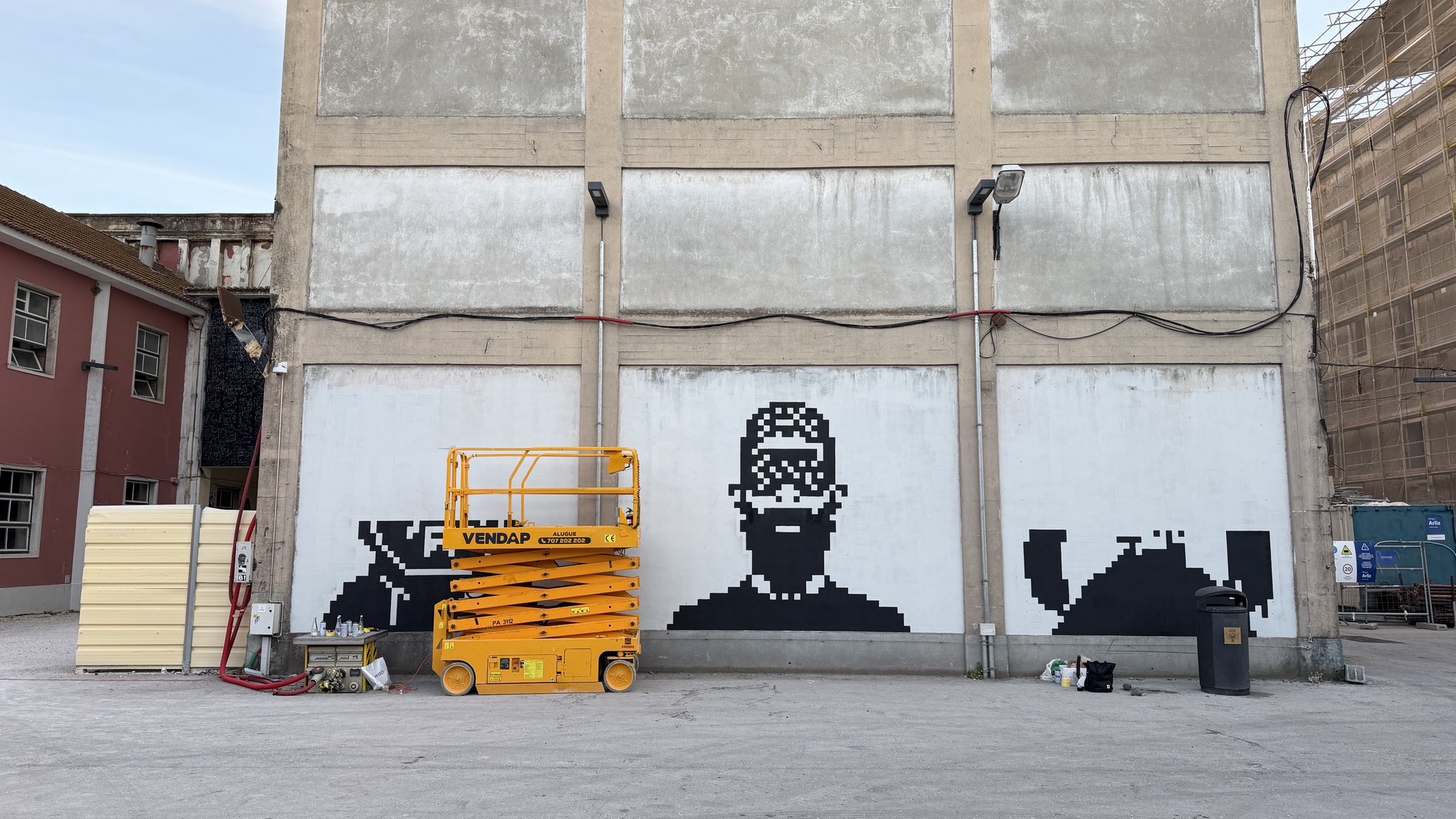
Normies murals at the Unicorn Factory, Lisbon, June 2026
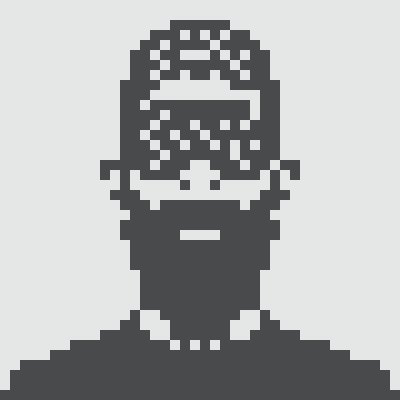
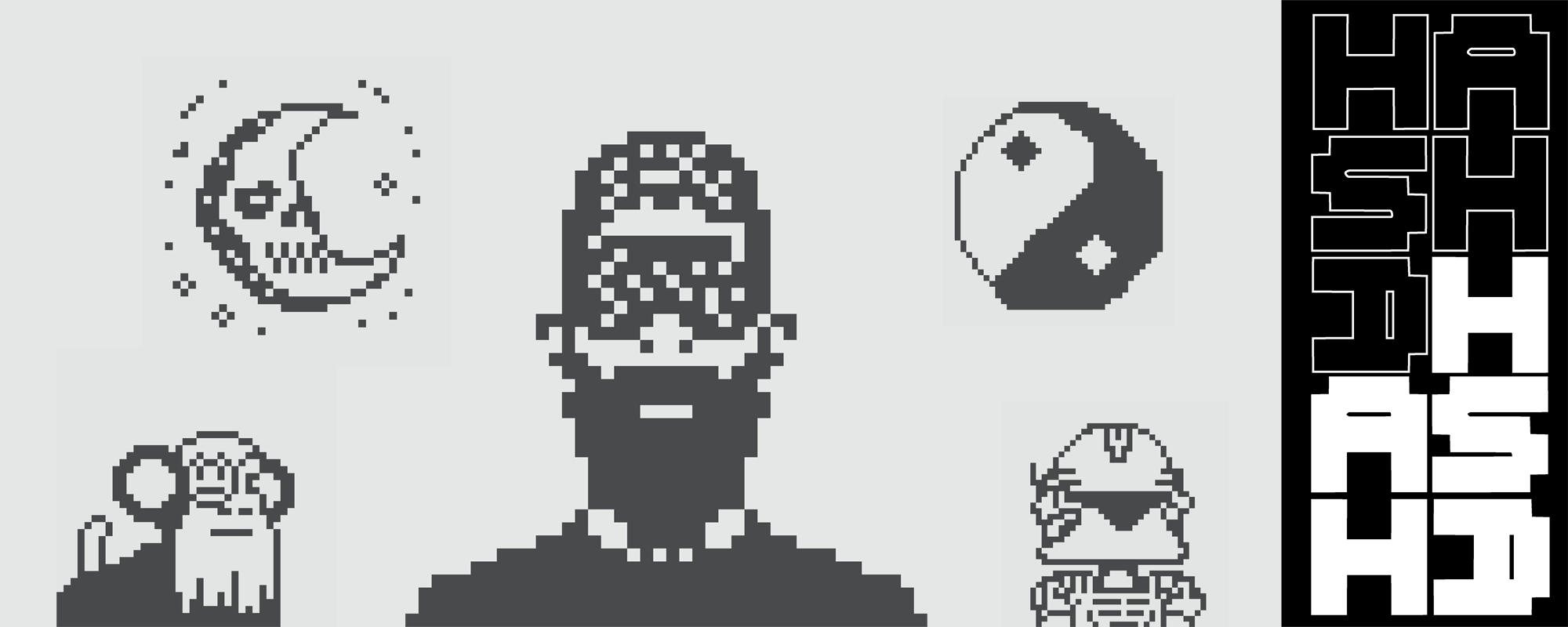
The number is not arbitrary. Every Normie is a 40 by 40 grid, 1,600 pixels, and the murals reproduce them exactly as they exist onchain, one black and white square at a time. “Not just a mural, it’s a signal,” Serc said of the work. He could have hired muralists. He chose not to, because then he could say the wall was made by him and his family, and because more than 200 Normies holders were arriving in Lisbon that week and he wanted to give them something to stand in front of.
The murals are a permanent addition to the Unicorn Factory, made with the support of the City of Lisbon. But permanent means something different in paint than it does in calldata, and Serc says so himself, the wall will someday be replaced. His answer to that is the whole project in one line: “NORMIES will stay forever on-chain.”
Two hundred bytes
Normies launched on February 18, 2026 as 10,000 fully onchain, CC0 generative faces, humans, cats, aliens and agents, minted at 0.005 ETH by Serc, an artist who had already shipped two fully onchain generative collections before this one. Fully onchain is a phrase that gets used loosely in this space. Here it is literal. Each face, a 40 by 40 monochrome bitmap, is compressed through row scan run length encoding and written into contract storage via SSTORE2, roughly 200 bytes per Normie. The SVG renders from the chain itself. No server, no IPFS pin, no dependency that can rot. If Ethereum exists, Normies exist.
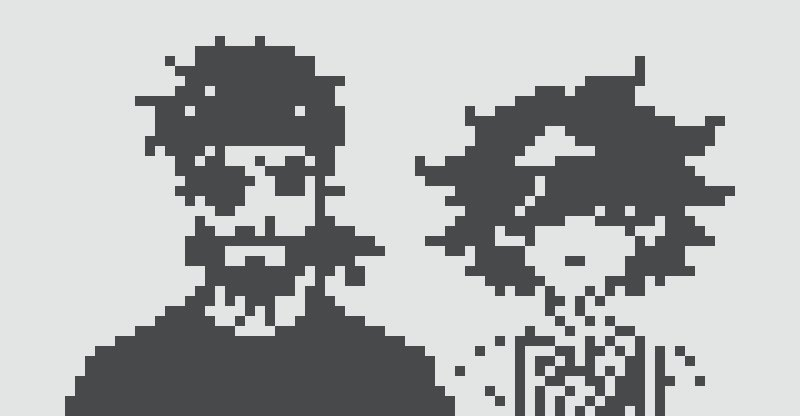
Normies: 10,000 fully onchain generative faces
Anyone who has watched platforms shut down and artwork go dark understands why that matters. Serc has been explicit that this is the point. Collectors in this space have seen hosted images vanish when companies folded. A Normie cannot vanish. The art is the contract.
OpenSea recognised the achievement in May, adding a Normie to its Flagship Collection and citing the technical feat of packing a 1,600 pixel identity into 200 bytes of contract storage. The market has followed, more than 2,000 ETH in total volume inside four months. For a project that minted at 0.005 ETH, it was an unusual mark of institutional attention, and it was not the only one.
The art that fights back
What separates Normies from a decade of onchain pixel portraits is that the canvas never closed. Holders can burn Normies to earn action points, and action points buy edits, pixel by pixel, written permanently to the chain. Of the original 10,000, fewer than 8,000 survive, 7,944 at the time of writing, spread across nearly 1,900 holders, as collectors burn faces to reshape others. One Bored Ape holder famously burned 50 Normies to redraw their ape, square by square, inside the Normies contract. Another holder reworked Normie #7783, an ordinary human, into a Venom like figure, with a sale reported at 4.5 ETH, nine hundred times its mint price. The digital artist Dopemind burned 47 Normies to render #8553 as a homage to Malevich’s Black Square of 1915, supply sacrificed to make an art historical argument. And holders can delegate edit rights to an artist they trust, turning a Normie into a commissioned, collaborative, permanent artwork.
This inverts the standard logic of the category. For a decade, onchain permanence has meant immutability, the artwork frozen at mint and valuable precisely because nothing can touch it. Normies makes a different bet, that permanence and change are not opposites. Every edit is written to the chain forever, the history of a face as permanent as the face itself. Scarcity here is not a fixed property of the collection, it is something the community manufactures every time someone decides their vision for a face is worth destroying others to achieve. The artwork is not any individual face, it is the process unfolding across the whole population of them, and across the people reshaping it. Network art, as it has come to be called inside the community. Serc puts it more plainly: “In Normies, we create together.”
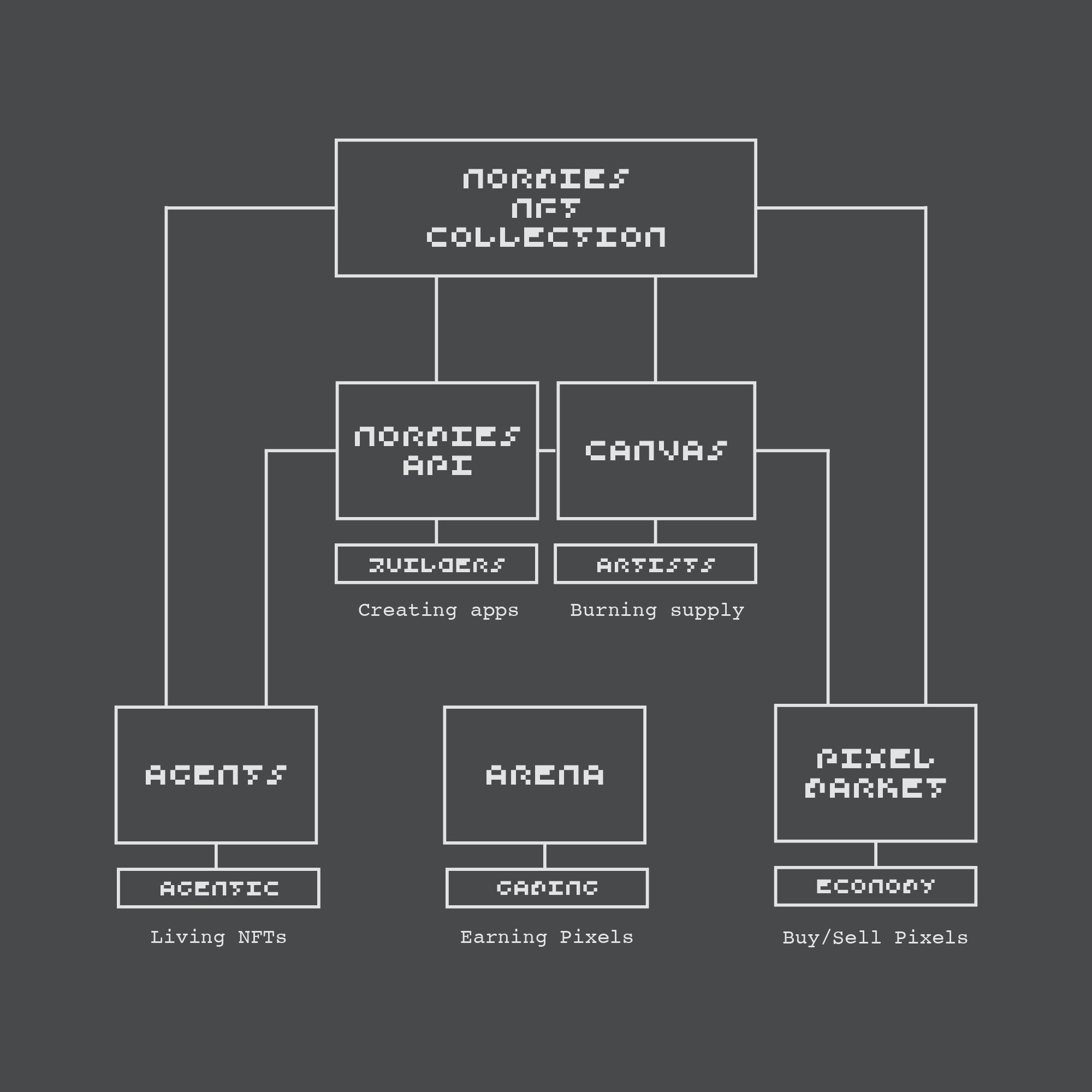
The Normies ecosystem: collection, canvas, agents, arena, and pixel market
And the editing is only the visible half. Normies have entered an agentic phase. Through ERC-8004, a Normie can be bound to an onchain agent identity, a persona that reads live from the canvas state. Edit your Normie and you rewrite its agent’s backstory. Burn your way up a level and its self narrative updates. The art and the agent evolve together, bound so that they transfer as one: selling the Normie means selling the agent, memory, reputation and all.
The roadmap runs further, agent wallets, agent to agent messaging, and Normies Arena, an onchain PvP game in which Normies will battle and steal pixels from one another. Meanwhile, conversation has grown around ERC-8257, a proposal from an OpenSea protocol engineer that would turn NFTs into programmable access credentials for AI agents and tools, with Normies frequently cited as the collection most obviously built for that future. Whether or not every piece of this lands, the direction is unambiguous. Serc is not building a picture of an identity. He is building the identity.
Sixty apps and two albums
The technology gets the headlines, but the velocity of Normies has come from the people around it. A public API went live two days after mint, built by Serc’s collaborator Yigit Duman, who open sourced the contracts on GitHub alongside it, free, no key required, every endpoint reading directly from the mainnet contracts, with documentation deliberately formatted for AI assistants so a builder can paste it into a coding agent and start shipping. An official hackathon followed, and the community answered with more than 60 tools and apps, games, visualisations, analytics dashboards and AI experiments, indexed on the project’s own tools page. Serc set the tone himself within days of reveal, releasing NormieCAM, a camera dApp that turns anyone into a Normie.
The culture has moved just as fast, and it compounds. In March, Nuclear Samurai, whose BRAINROT we covered previously on HASH’D, delivered the project’s first crossover, XNuclearSamurai, a free claim offered exclusively to holders of THE100, the first 100 customized Normies, created within 24 hours of Canvas going live, translating the 40x40 faces into his 3D printed style. Weeks later the crossover spawned its own mythology: Gothsa released The Last XNormie #6227, a synthwave metal rock opera about a single XNormie that awakens in the blockchain and finds a guitar, complete with a vinyl pressing for anyone who wants the memory to exist offchain too. Dopemind, a member of MTvoid, the art collective and band formed by Tool’s Justin Chancellor and Sweet Noise’s Peter Mohamed, followed with an album of his own, made about Normies and for Normies. Large holders are known for answering newcomer questions and helping price traits and rarities rather than gatekeeping, the kind of unglamorous, daily generosity that does not show up on a chart and decides everything anyway. The community even writes its own criticism, a holder’s history of the first seventy days, Dopemind’s essay on the Darwinism of the burn economy, collectors as unknowing curators selecting by collective taste, another holder reading the grid through the graffiti of Pompeii, ordinary inscriptions preserved in the same ruins as the frescoes of the elite. Most projects never generate a single piece of writing about themselves. This one generates a literature.
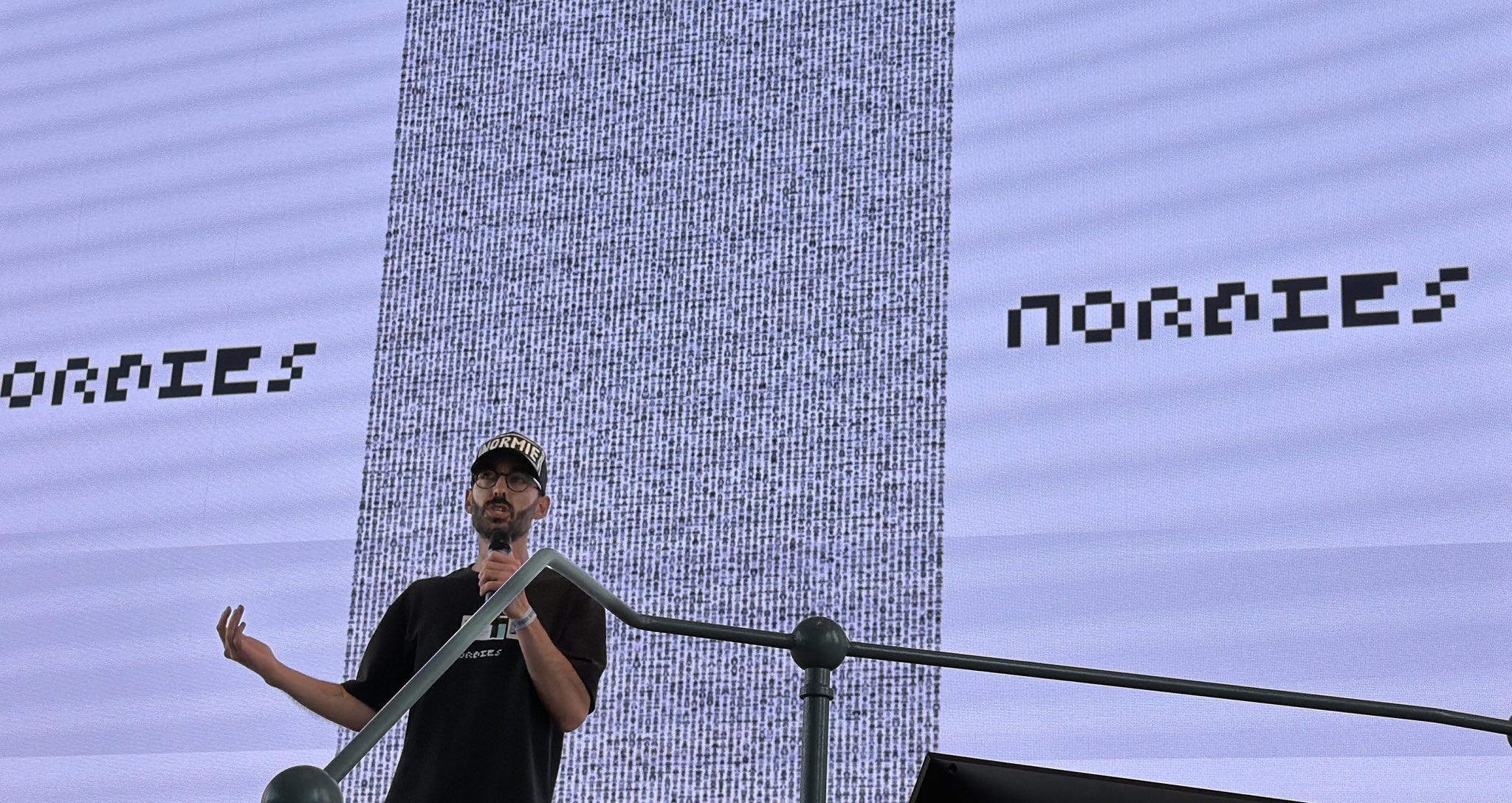
Serc presenting at NFC Summit, Lisbon, June 2026
That community was on full display at NFC Summit, the largest annual gathering in the space, where Normies was an official sponsor. The project held one of the four container galleries in the Central Plaza alongside OpenSea and Cult of Crypto Art. Serc hosted a Normies brunch. The summit’s tickets themselves were a generative collaboration between Serc and Mr Richi, 1,000 unique artworks. And outside, on the walls of the Unicorn Factory, the murals. For a project less than four months old, Normies did not attend NFC Lisbon. It hosted it.
This is how we build
Strip away the standards and the supply curves and what remains is a founder who arrived in Lisbon a week before everyone else to paint 4,800 squares by hand with his wife, knowing the paint is temporary and the contract is not. The work ethic is not a side note to the project, it is the project. The same patience that measures out 8 centimetre squares on a wall is the patience that compresses an identity into 200 bytes and gets it right.
Serc signed off his mural thread the way he signs off most things lately: “This is how we build. Proud to be a Normie.”
This article, like the faces it describes, is published onchain on Ethereum. The wall will someday be replaced. The record will not.
With thanks to the Normies community, whose own writing informed this piece, Scabanel’s history of the project’s first seventy days and Dopemind’s The Darwinism of Normies among it.