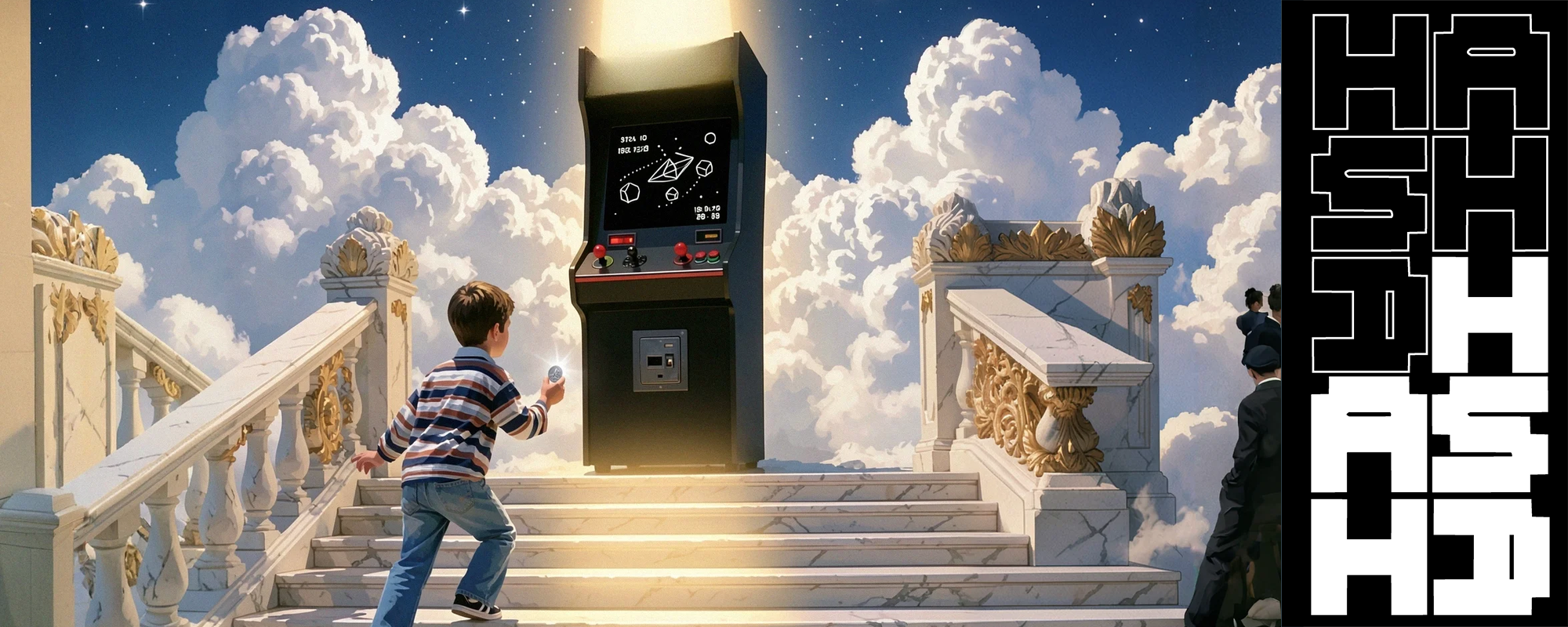
A chart records what a market did. Yigit Duman’s Panorama turns that record into a world. Each day, the movement of $PANO helps determine the emotional direction of a new artwork, pushing its imagery toward triumph or ruin. The resulting scenes connect horizontally, forming a continuous landscape in which market behaviour leaves a visible trace.
For Duman, whose experiments include storing a dithered Rothko painting across the balances of 981 Ethereum wallets, the systems surrounding an image are part of its artistic possibilities. Panorama extends that interest into a work shaped over time by its participants. Collectors can own a day, follow the unfolding landscape, or act on the market that influences what comes next.
For its second season, Anthology of Mankind, Duman collaborates with DeltaSauce on ninety connected works tracing technologies from stone tools to artificial intelligence. The subject introduces another layer of uncertainty: fire can sustain a community or destroy it; the printing press can circulate knowledge or propaganda. Each day’s market movement helps determine which possibilities enter the picture.
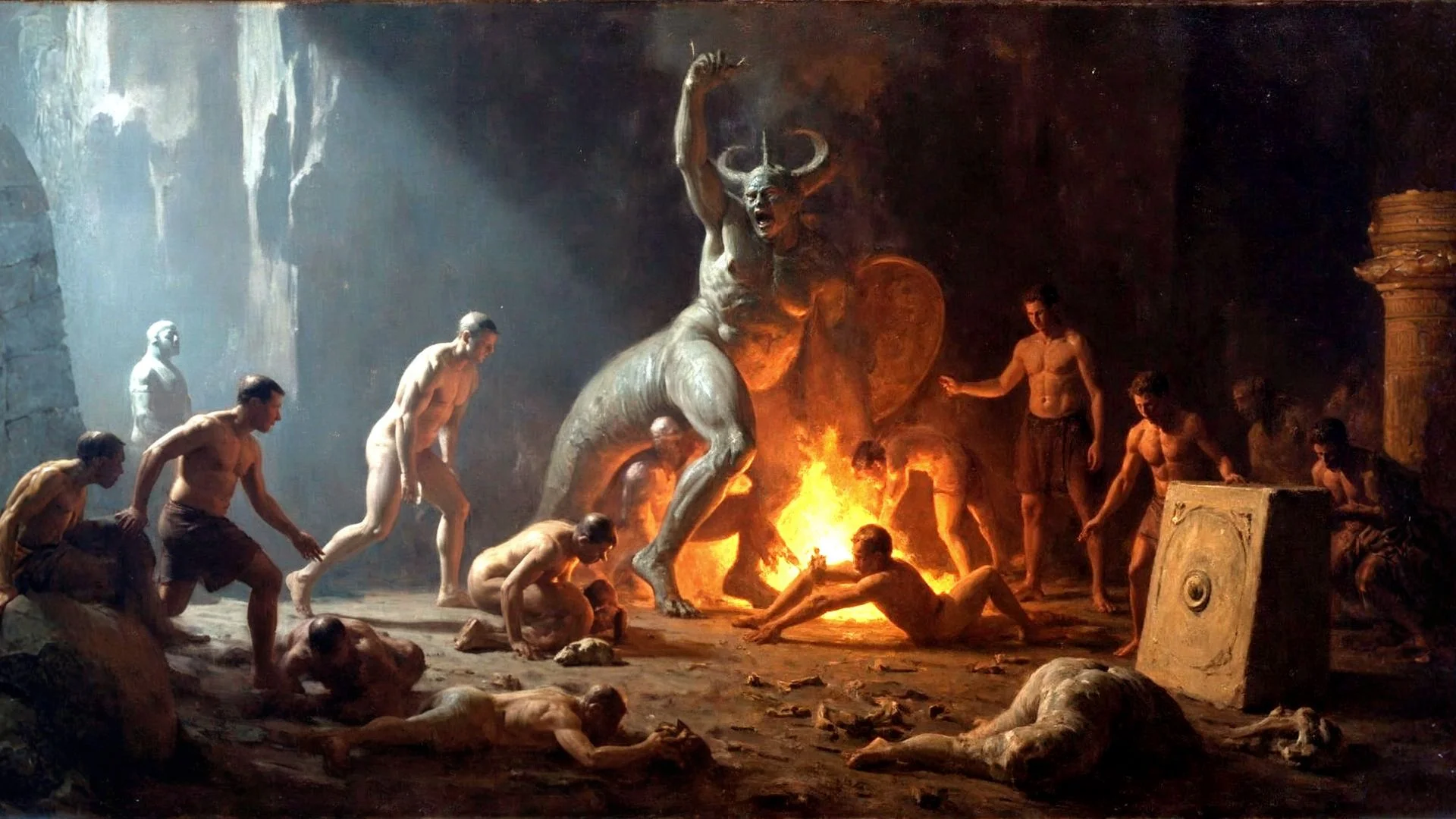
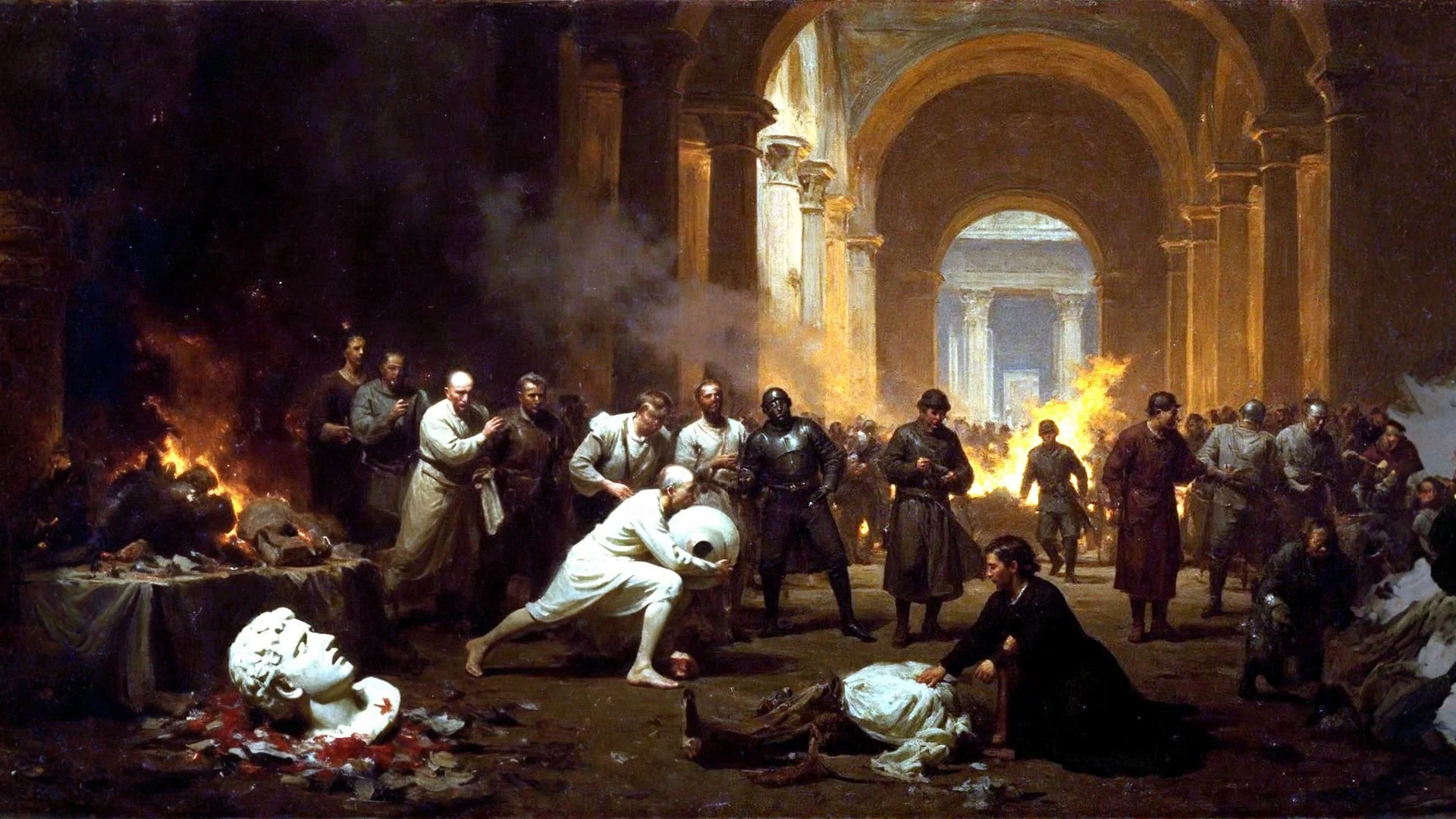
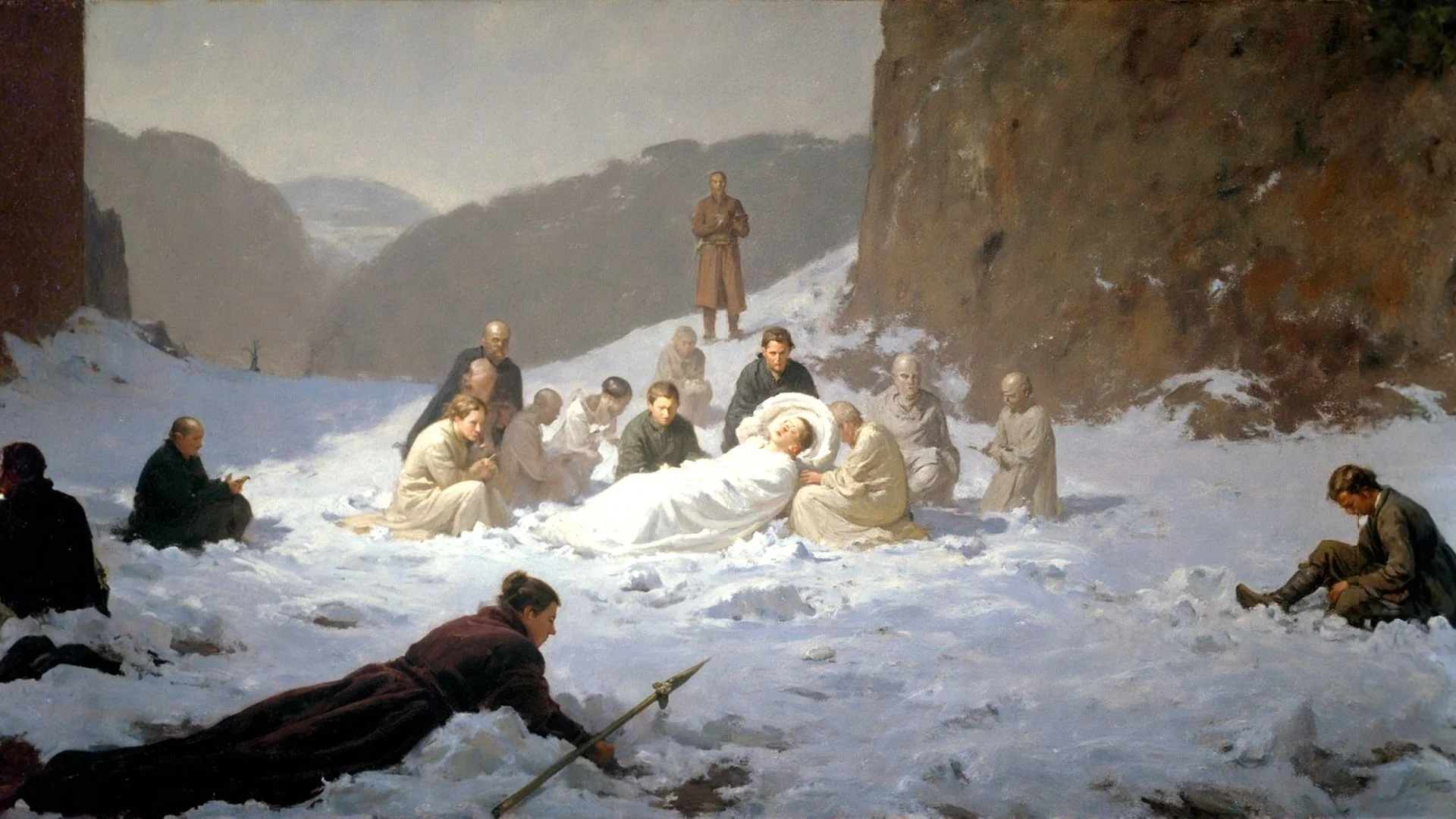
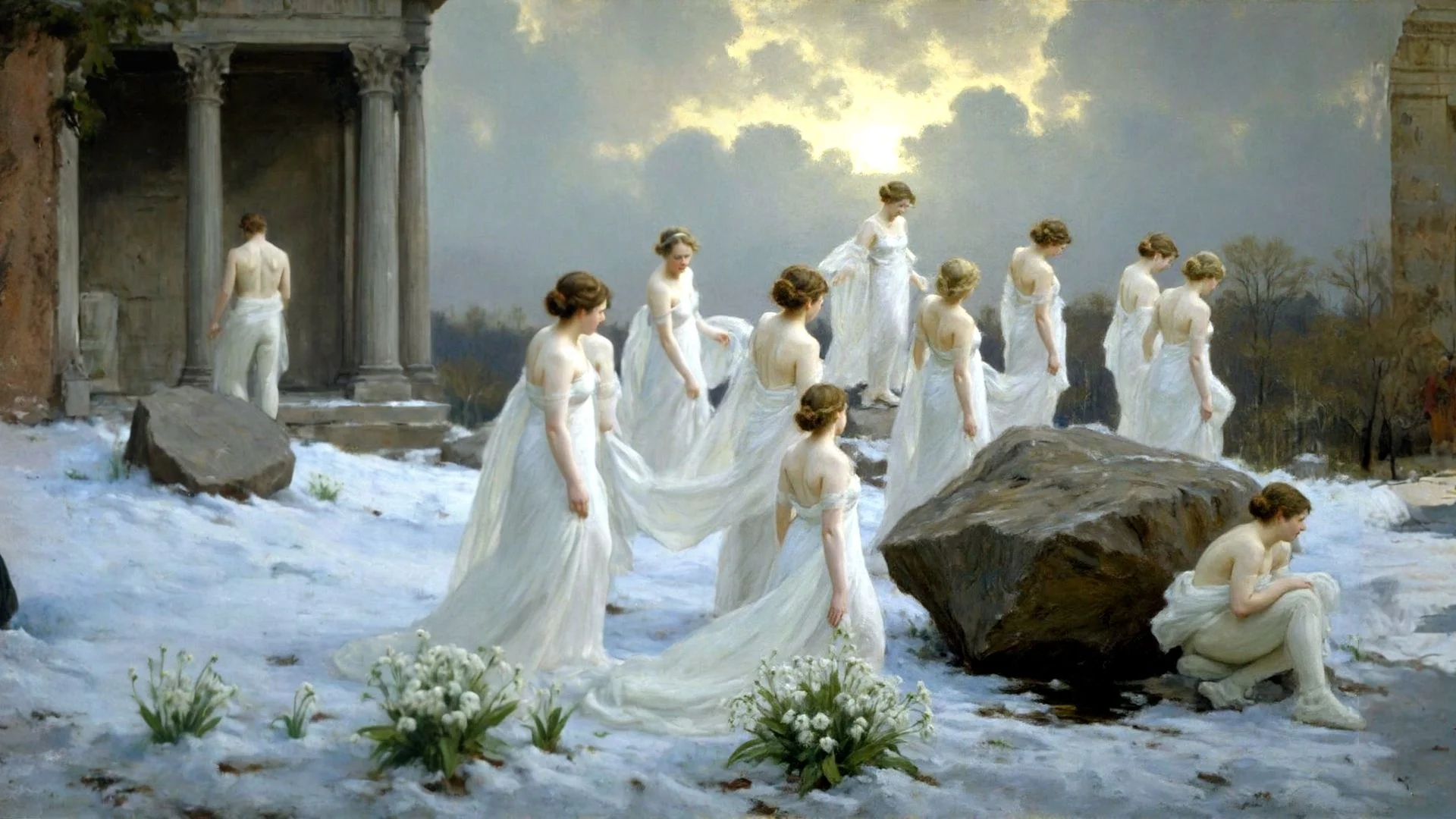
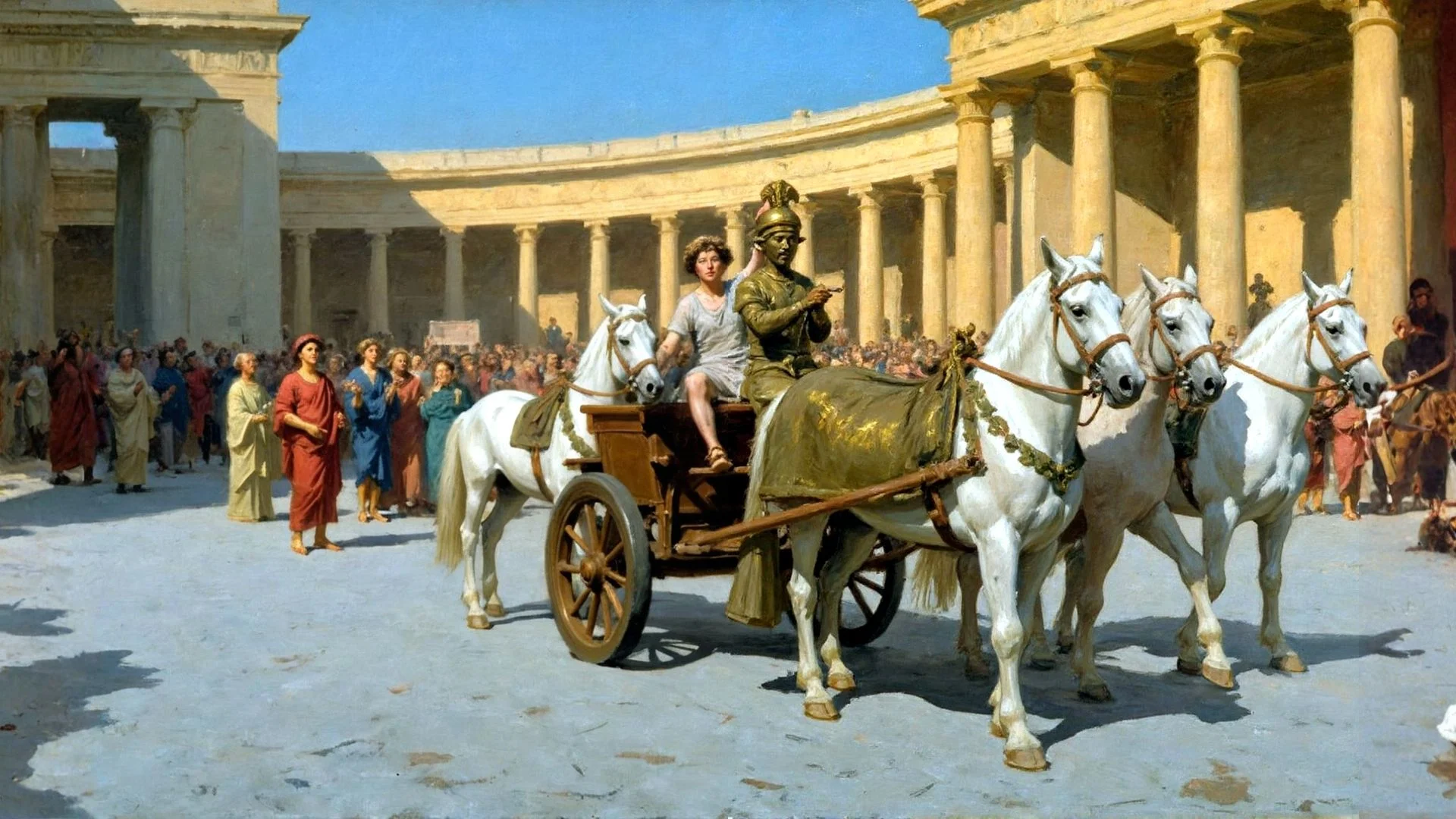
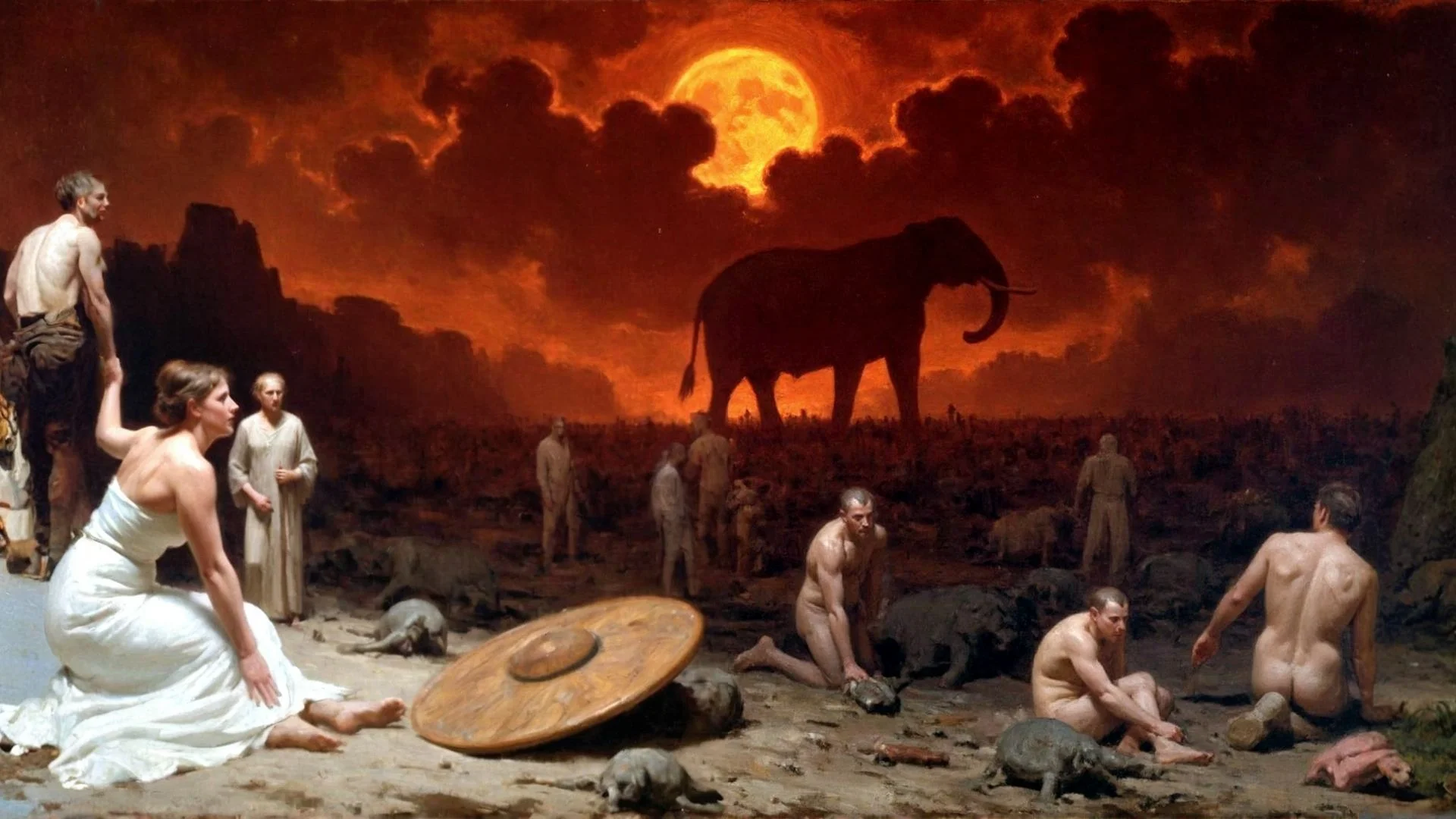
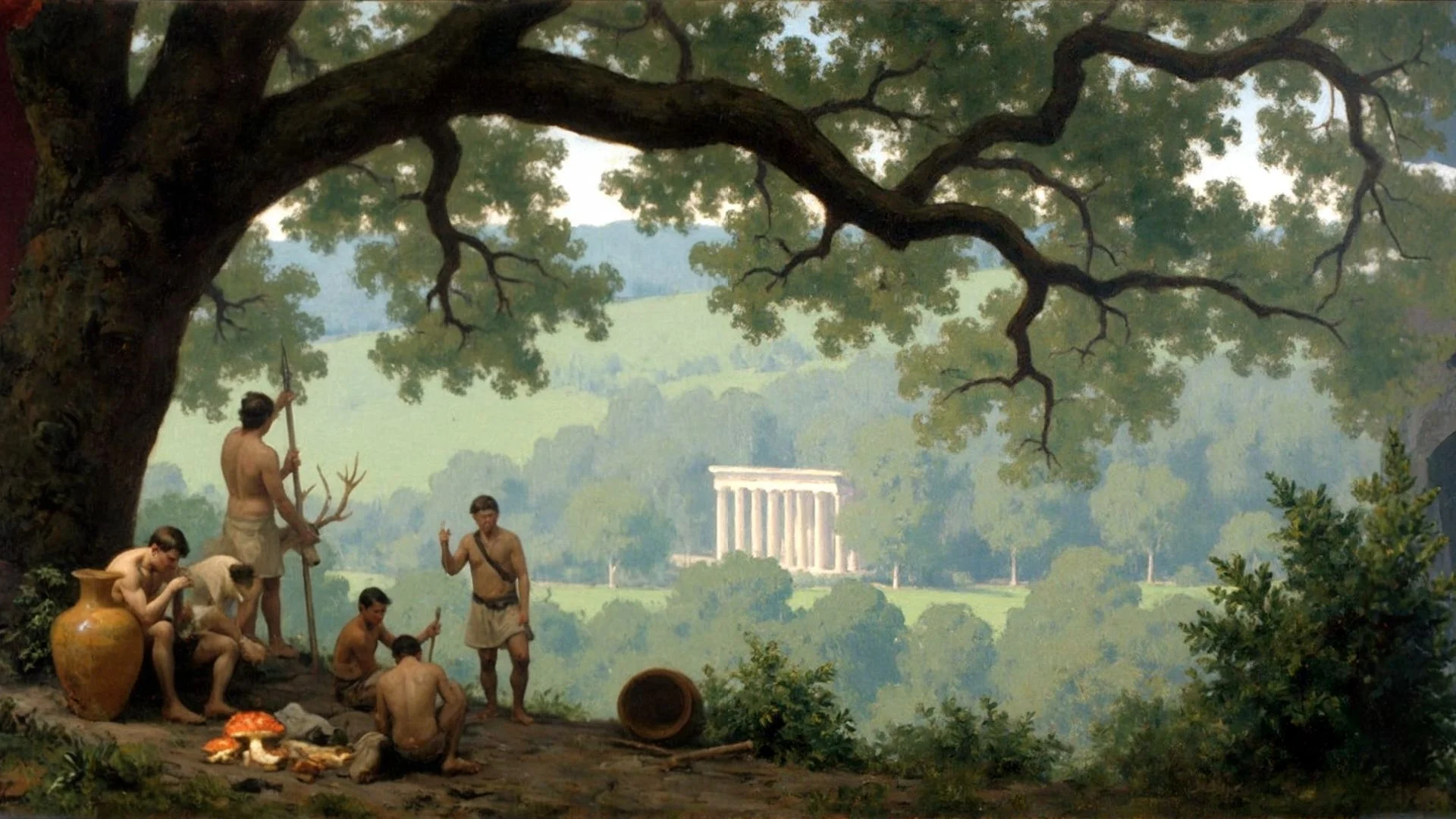
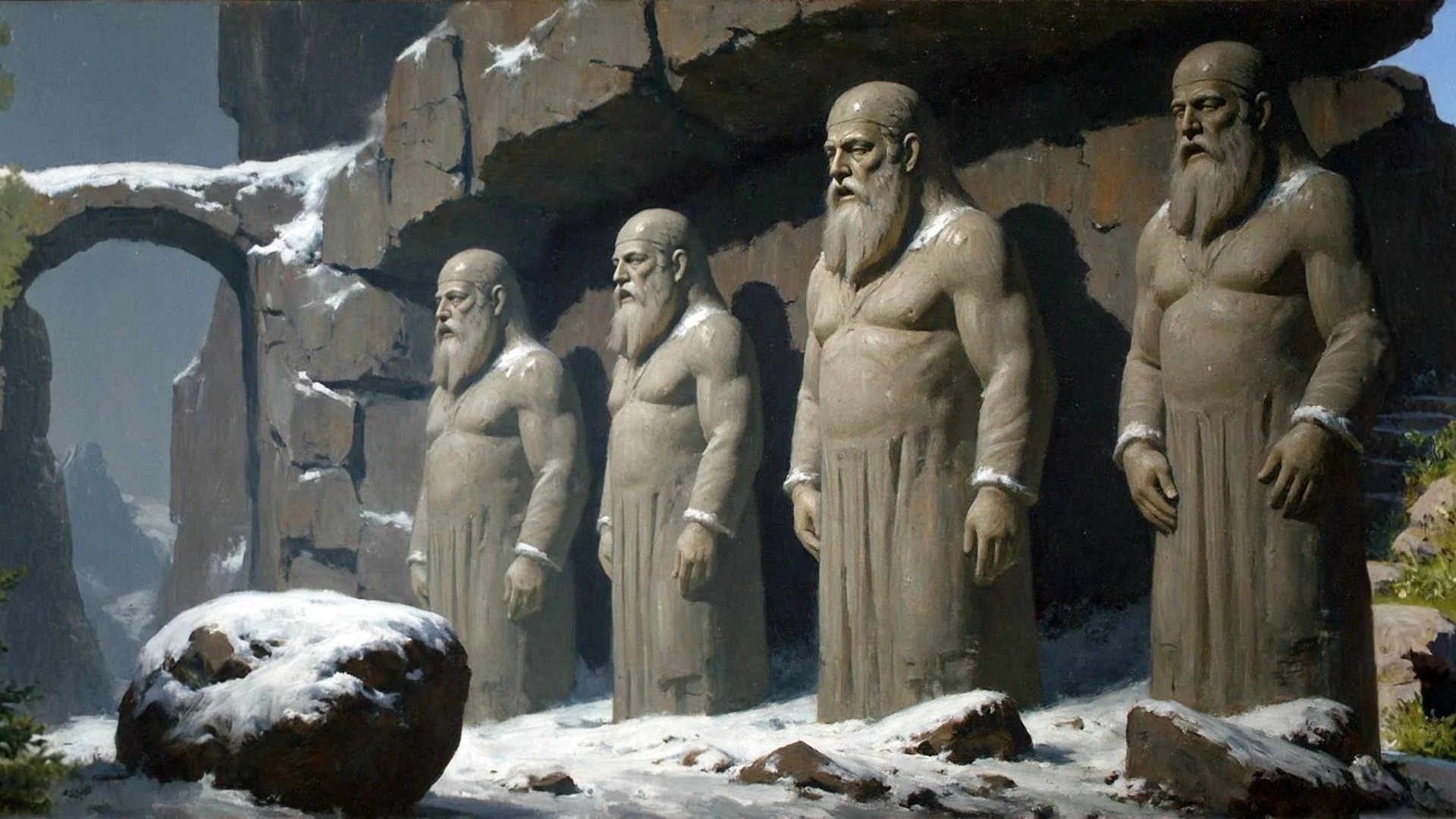
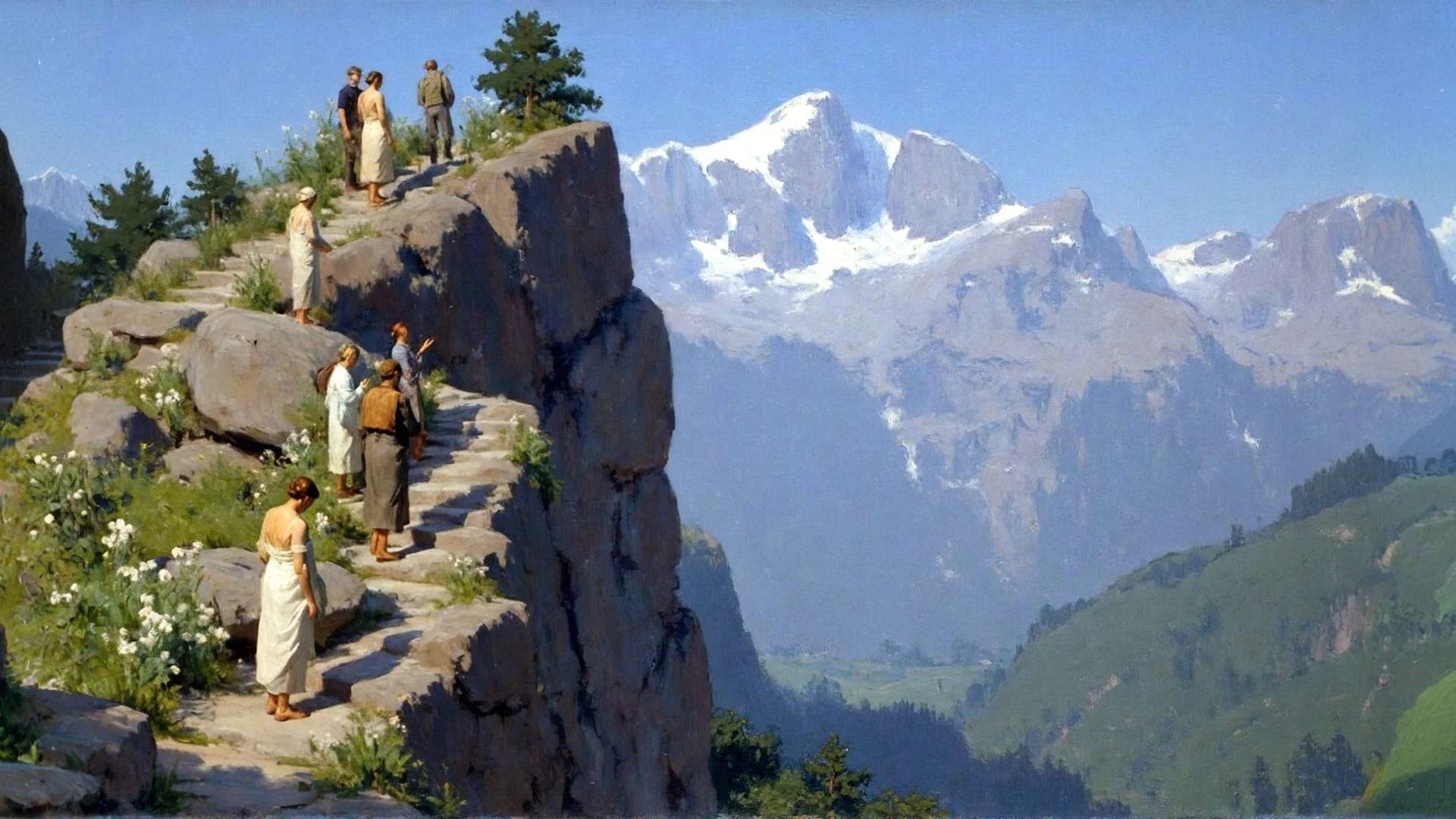
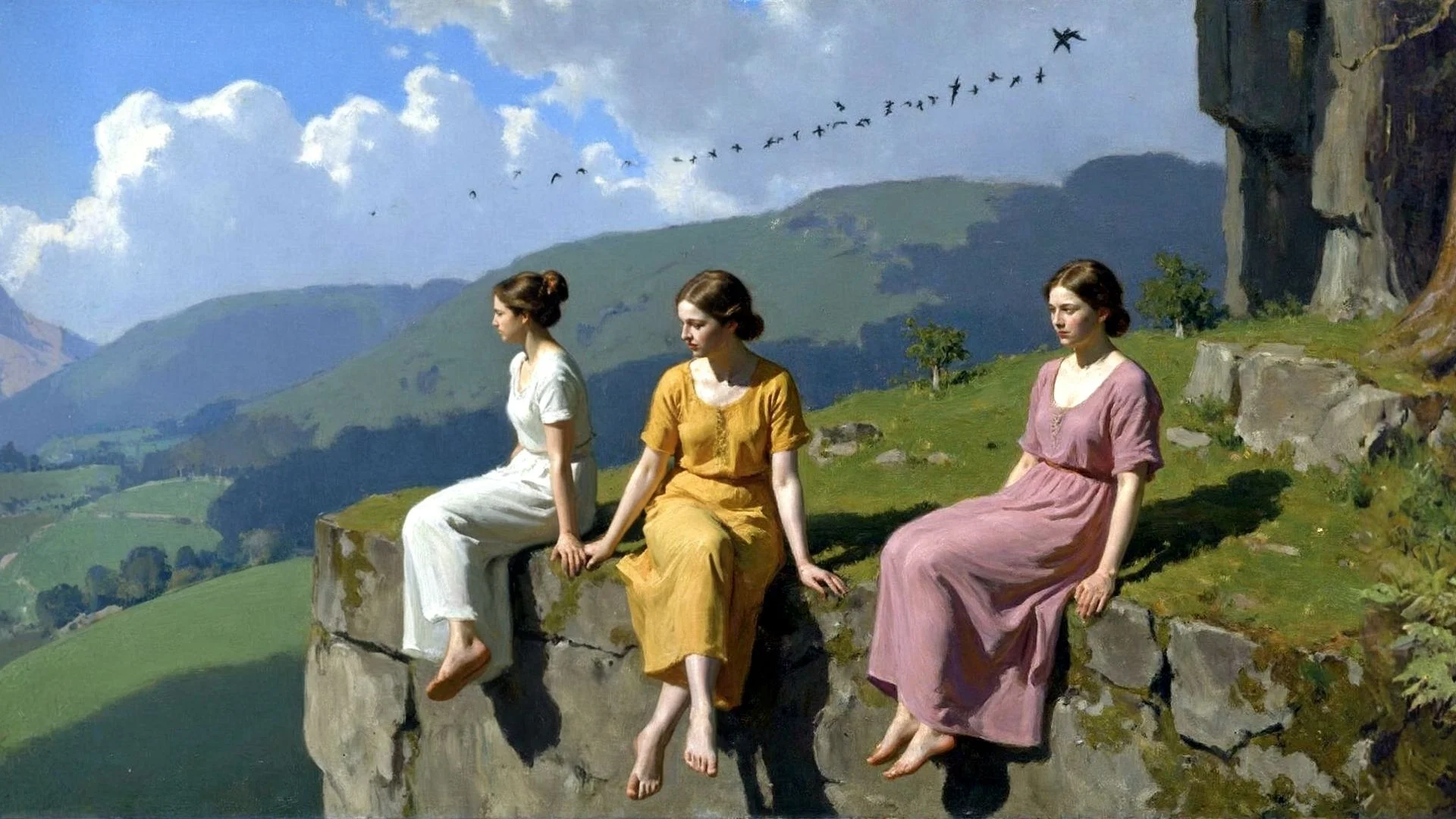
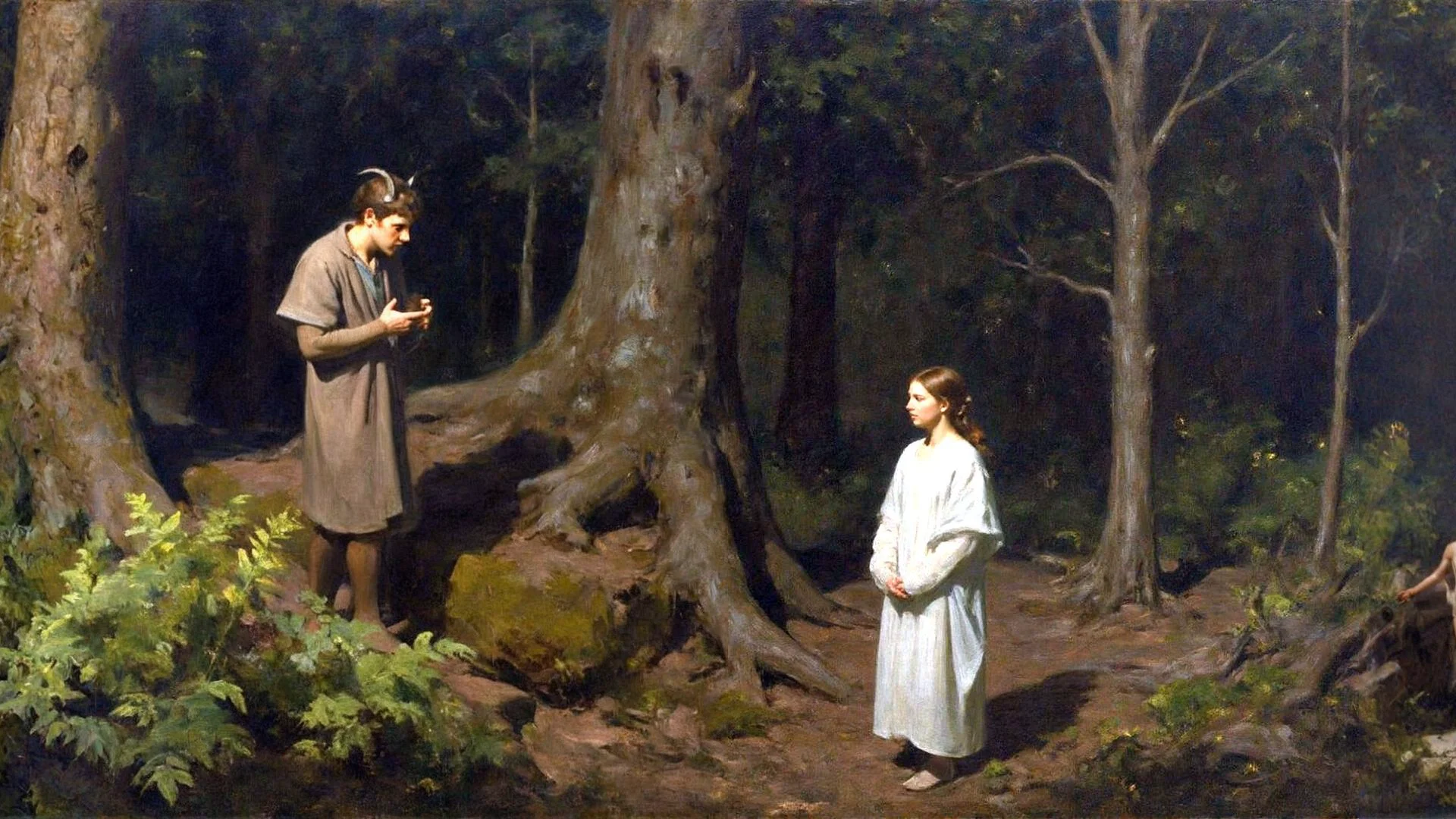
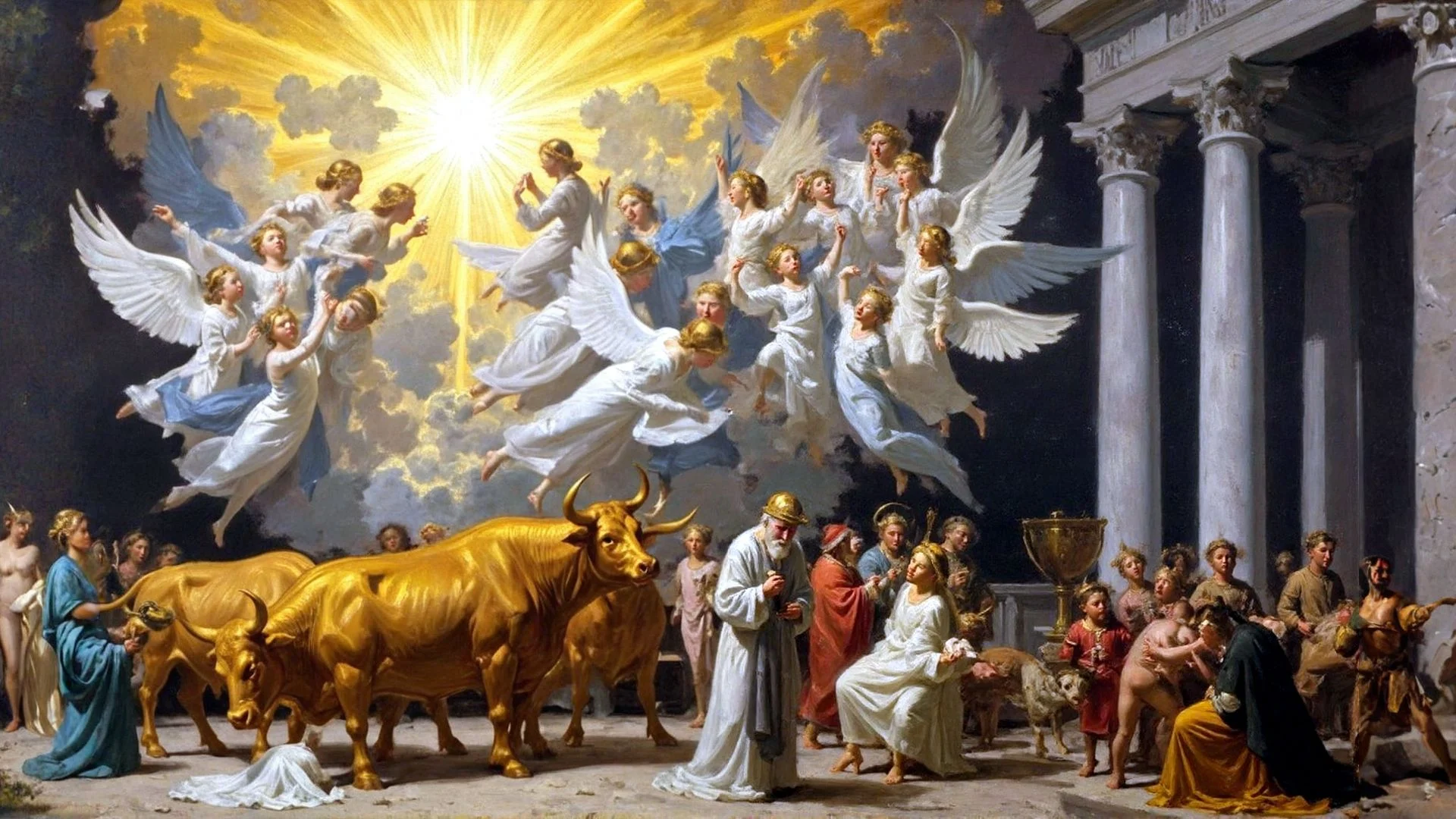
We spoke with Duman about the path from on-chain experiments to Panorama, the craft of joining independent artworks into a continuous whole, and what happens when collectors begin to use an artwork’s rules as creative material.
Your work spans your own artistic projects and development for projects such as Normies. How did those experiences lead you to Panorama?
I was a game developer before I got into crypto and NFTs in 2021. I always liked building systems, but I never really thought of myself as an artist. For around three years I was mostly working as a developer for friends, many of whom were artists. This was before AI became widely usable, so there was a real need for people who could help artists build the systems around their work.
In September 2024, I decided to start making work under my own name and released Rothko on Pennies, a dithered-down Rothko painting stored across the balances of 981 Ethereum wallets. The work was later vandalised by Bushi and restored by Takens Theorem. After that I continued experimenting with on-chain systems through my 1/1 collection, Ephemera.
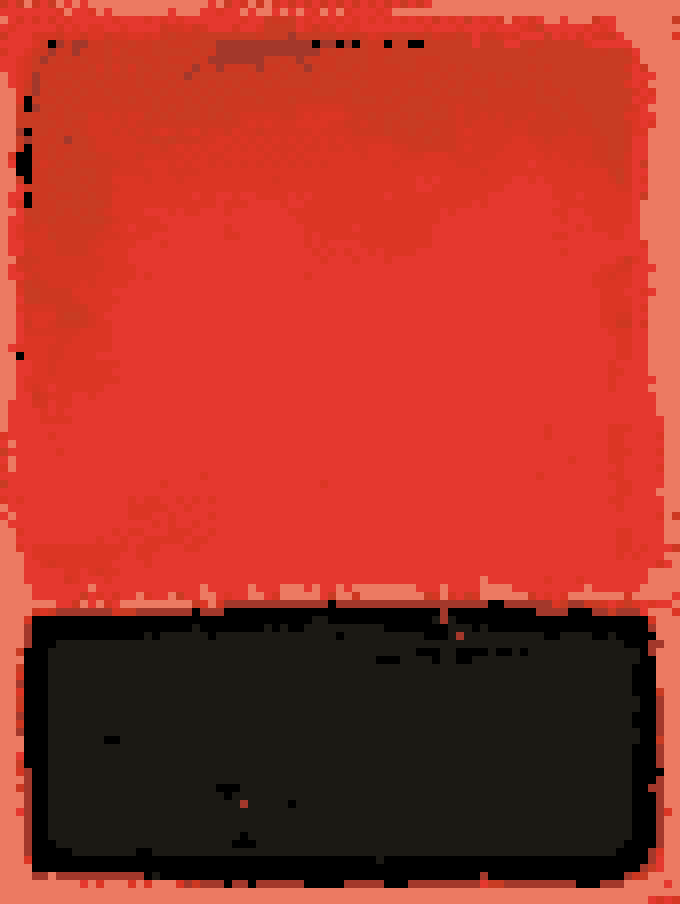
15 Sep 2024
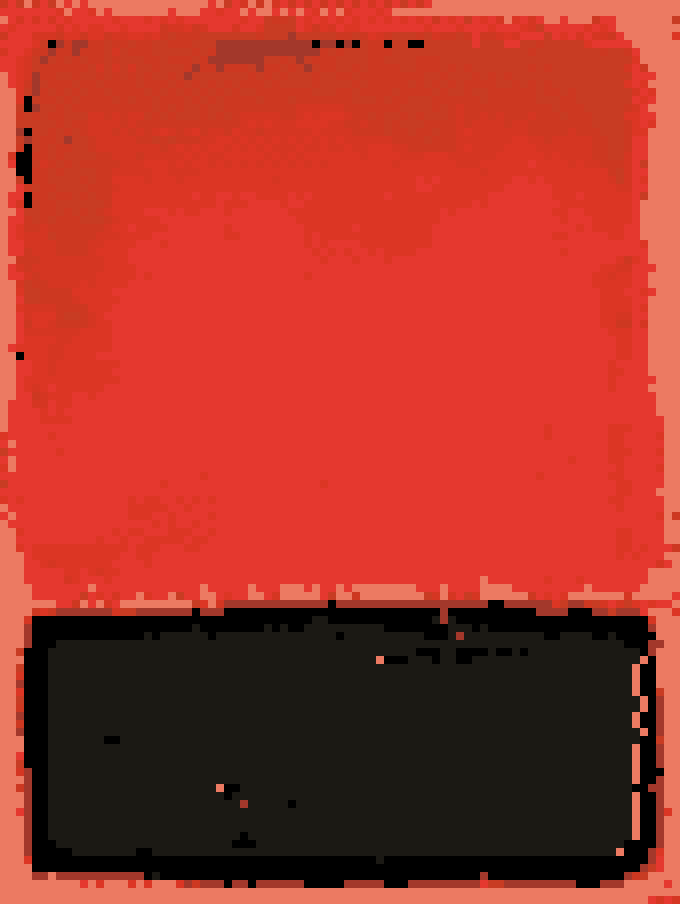
Takens Theorem, 17 Sep 2024
 NOTHING
RENDERS
Bushi, 18 Sep 2024
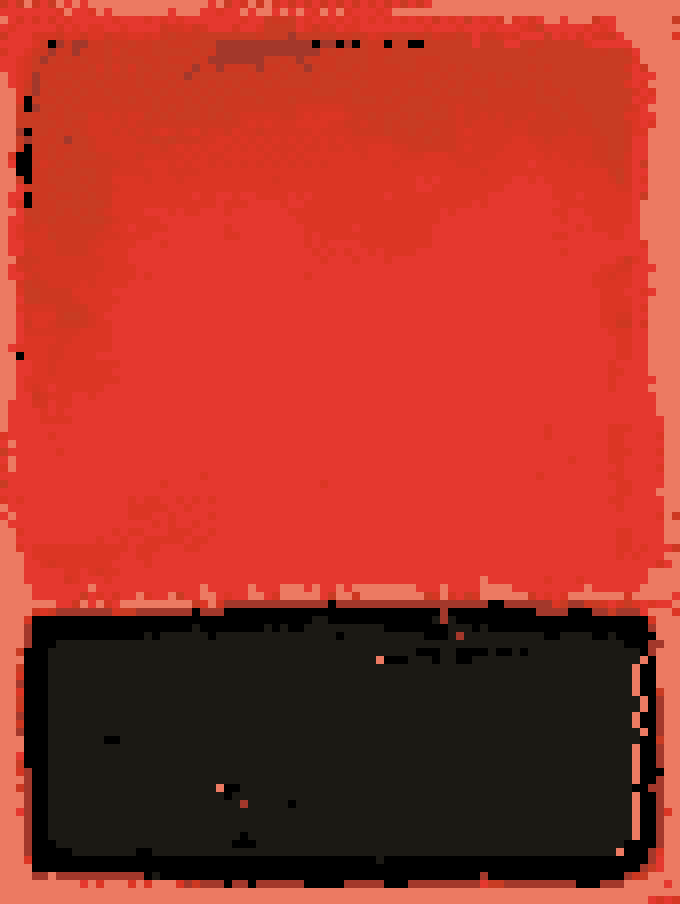
Takens Theorem, scars intact, live today
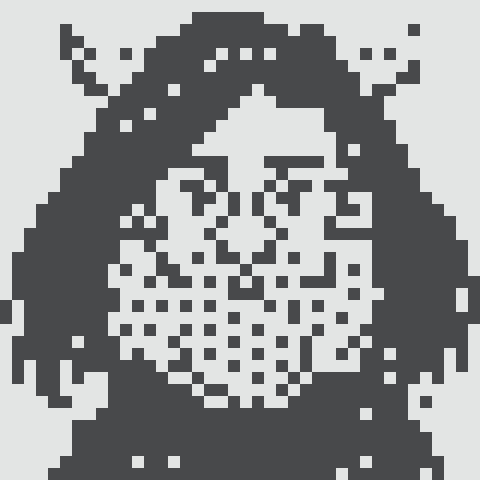
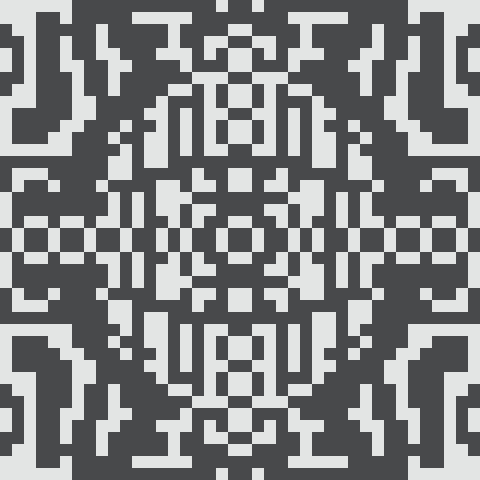
In November 2025, I started working on PUSH4, which was in some ways an homage to Rothko on Pennies. It used a Barnett Newman artwork stored through function selectors inside an Ethereum smart contract. Because all of the selectors were routable, the collector could effectively turn the work into something else. Archivist, who collected it, and I decided to make it into an exhibition inside an exhibition. Together with jonooo, the curator of Intimate Systems, we curated submissions into the piece. It still changes every five blocks.
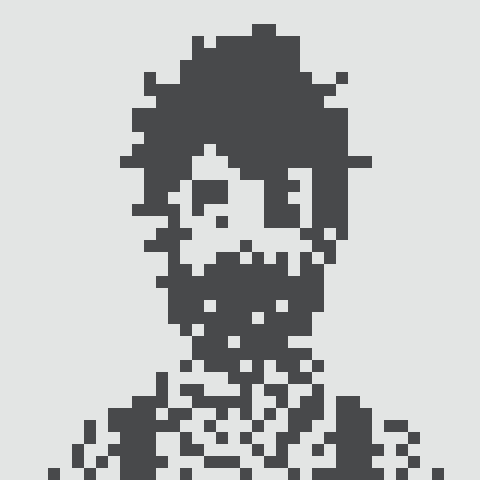
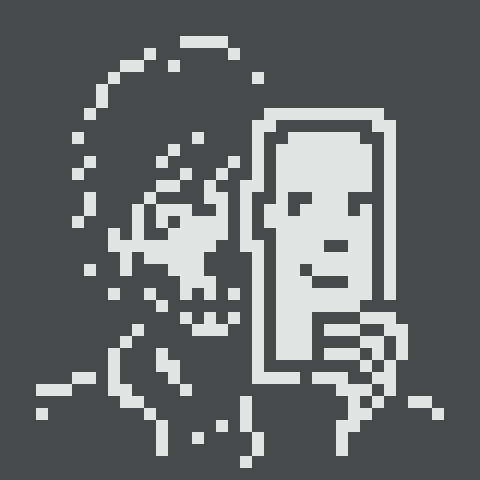
That experiment eventually contributed to the idea behind Normies Canvas, where collectors can use their PFPs much more freely.
Panorama came from a pretty different place, though. Visually and conceptually it doesn’t really look like the rest of my work. The connection is probably more in the way I think about systems, ownership, and giving people room to affect what happens.
What immediately struck us about Panorama is the horizontal scroll: individual artworks joining together into one continuous landscape. Where did that idea come from?
It started around November 2024, when basically everyone, inside crypto and outside of it, seemed to be talking about memecoins. I was watching charts for an embarrassing number of hours every day.
At the same time, I was learning ComfyUI and trying to understand AI image workflows more seriously. Trading was stressful and has never really been my strength, so learning new ways of making images became a kind of escape from it.
At some point those two things merged in my head. A price chart is already a continuous visual structure, but usually represented through very boring rectangles, lines and candles. I started wondering if the same information could be expressed through scenes instead. Each movement in the market could become a tableau, and because the images could be extended and stitched into each other, the chart could slowly turn into one continuous landscape.
That was really the beginning of Panorama.
What is the hardest part of making each new scene join naturally with the previous one while remaining an artwork worth looking at on its own?
It changes a lot from day to day.
Some days the main action happens around the middle of the image, so the edges are relatively open. Those are easier because we have room to rebuild the seam and stitch the next image into it without disturbing too much.
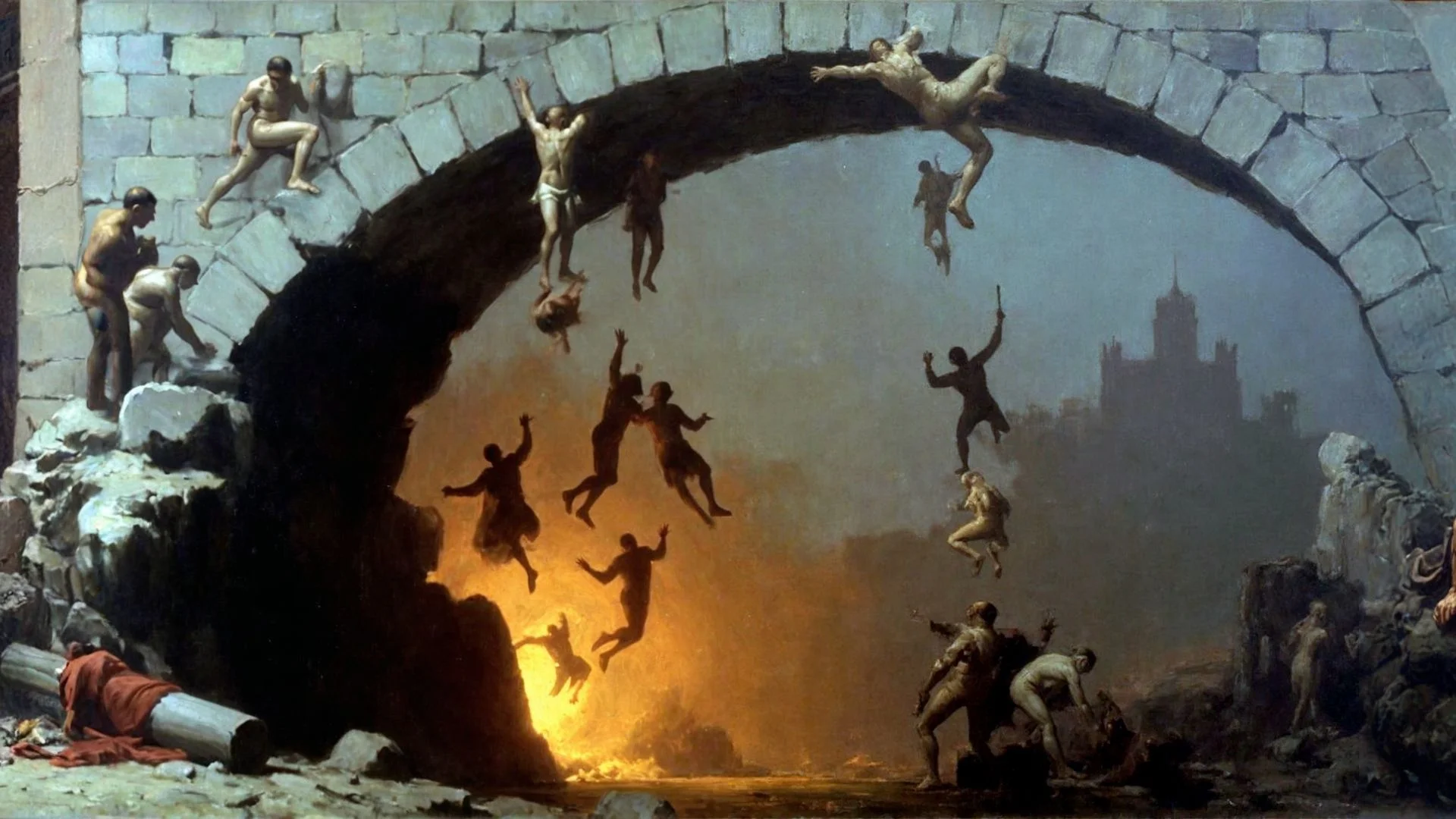
Other days the generated tableau fills almost the entire canvas. Then there isn’t really an empty area available for a clean stitch, so we have to think more carefully about how one space can logically become another.
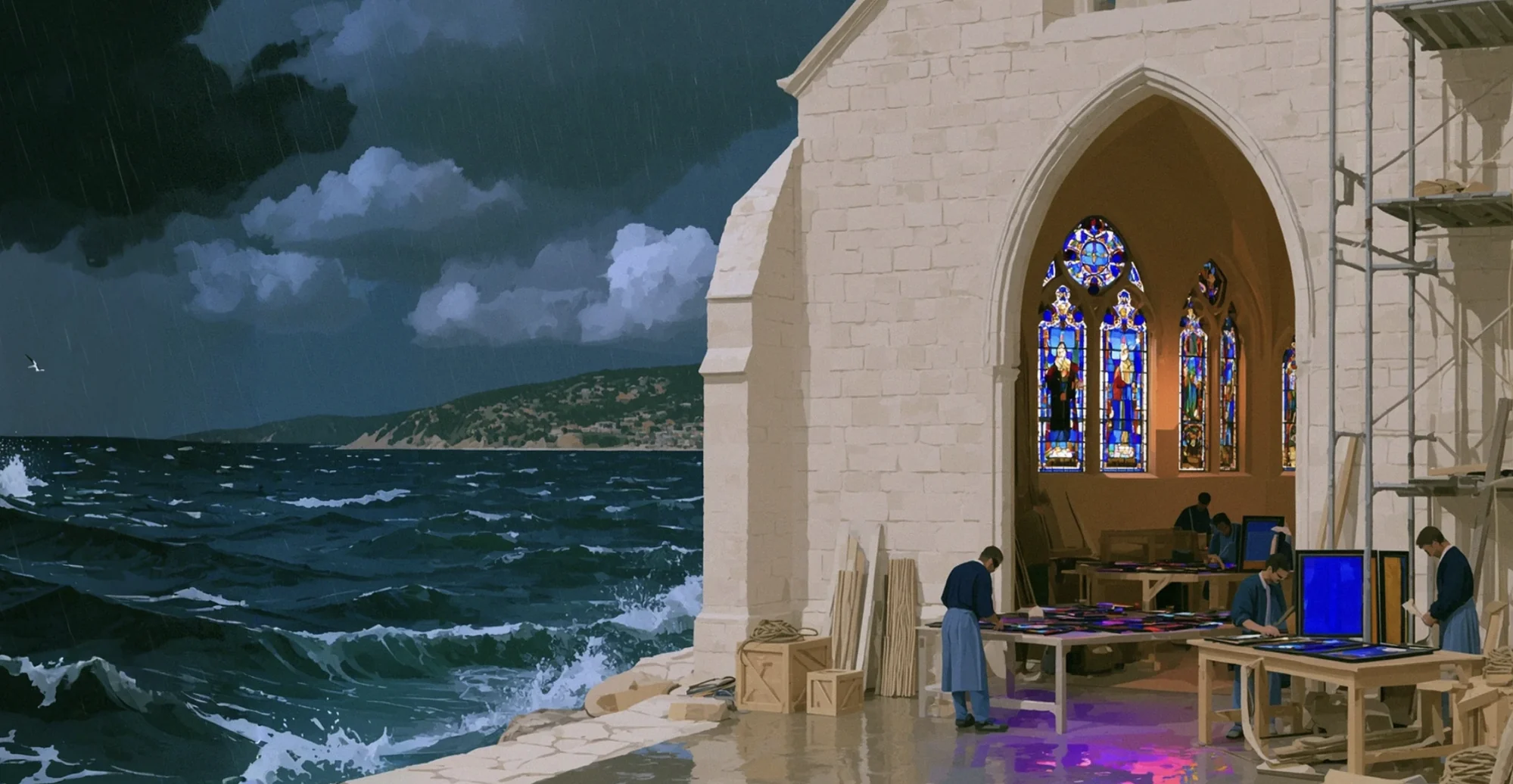
Those are usually the interesting ones. I try to avoid simply fading one image into the next. Ideally the connection feels like it belongs to the architecture or geography of the scene itself, while both images still work independently.
The movement of $PANO determines whether the imagery moves toward triumph or ruin. Why make market behaviour part of the creative process?
A lot of my work comes from trying to put artwork, data or information into places where you normally wouldn’t expect to find it.
With Panorama, I was interested in treating the market itself as a medium rather than making work that simply comments on markets from the outside. The movement of $PANO affects what kind of image the system produces, so the chart slowly becomes part of the visual language of the work.
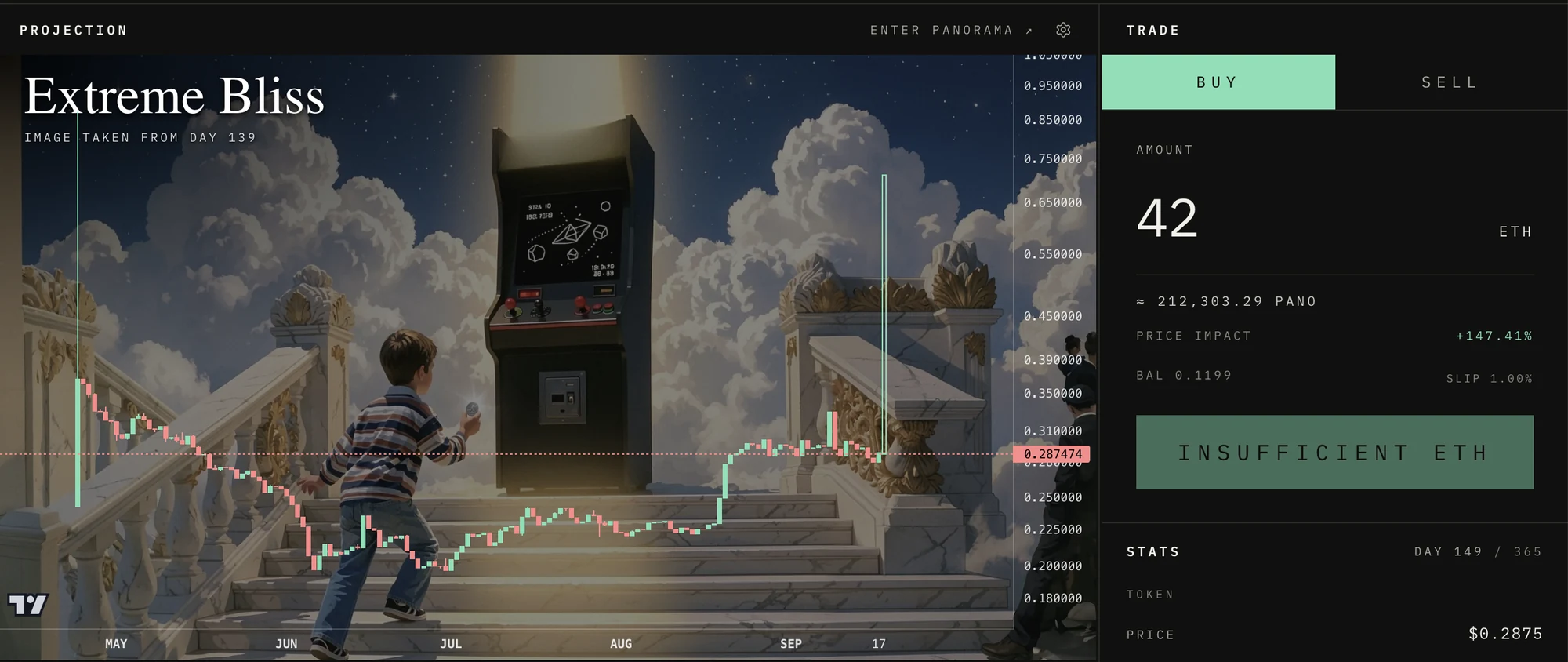
Recently, two collectors coordinated consecutive days so that one day moved into extreme bliss and the next into extreme anguish. I hadn’t suggested that. They just understood how the system worked and decided to use it that way.
Moments like that are probably the clearest explanation of why the market is there. People can discover behaviours in the system that I didn’t plan for. At that point the market isn’t really sitting around the artwork anymore. It starts becoming part of how the image is made.
How did the Season 2 collaboration with DeltaSauce come about, and what made you want to work together?
Before Season 2 started, I asked DeltaSauce if he wanted to work on Panorama with me. I had been following his work for a long time and was curious what the project would become if somebody with a very different visual language entered the system.
He got excited about it and came back pretty quickly with the idea of making the season around ninety technologies. We explored a few other directions for a couple of weeks, but we kept coming back to that one. It felt broad enough that we could both find our own way into it.
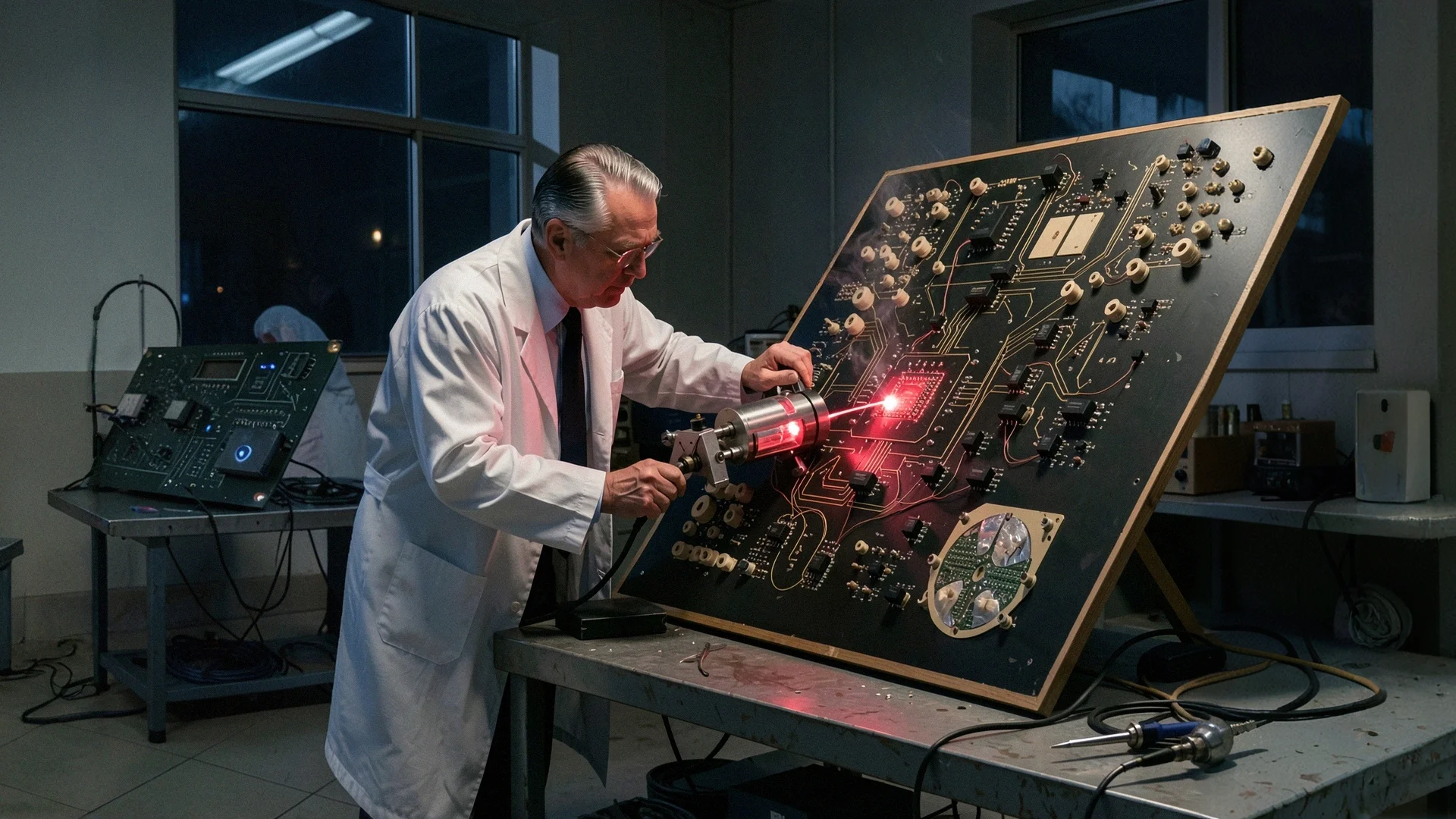
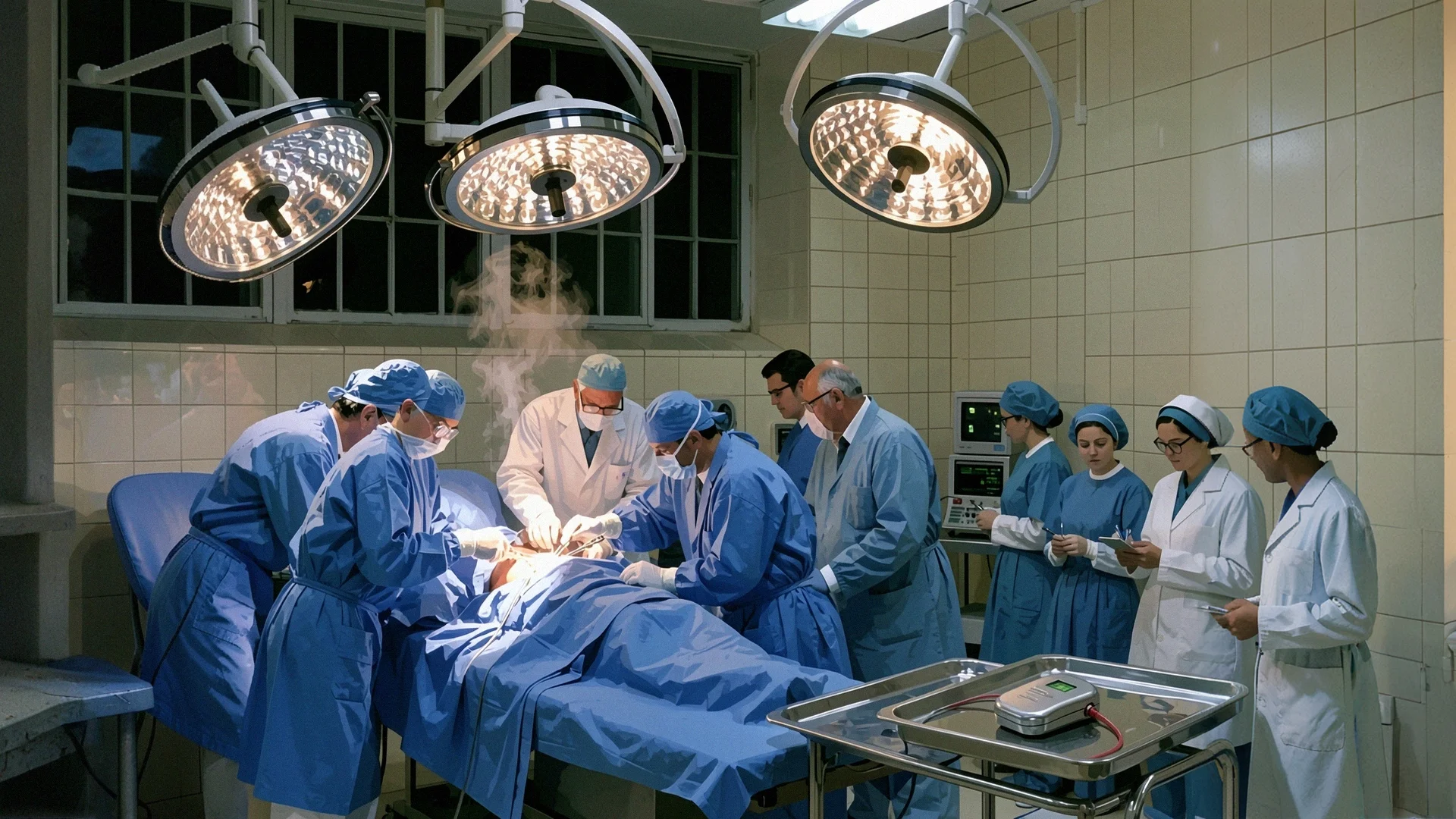
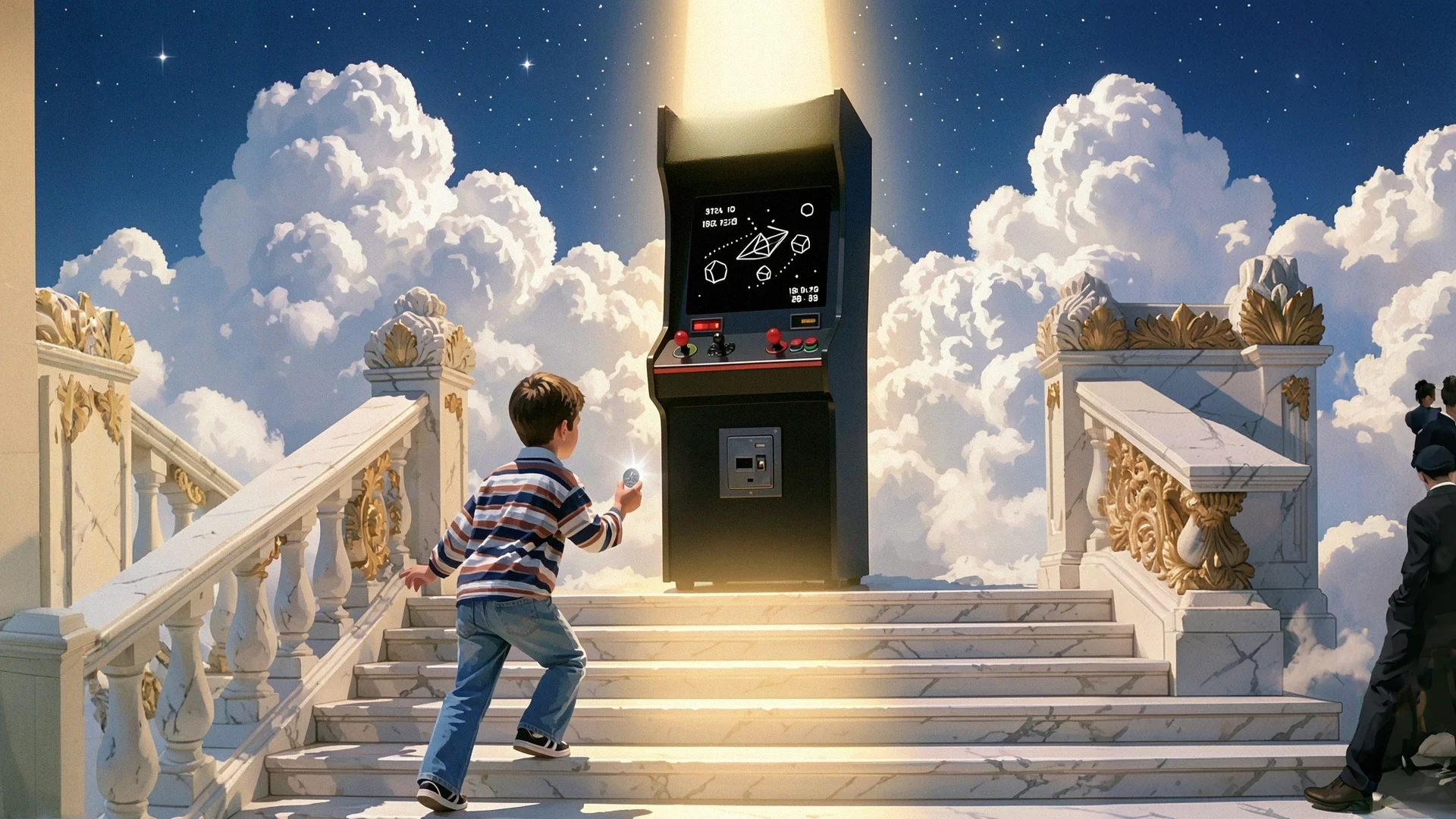
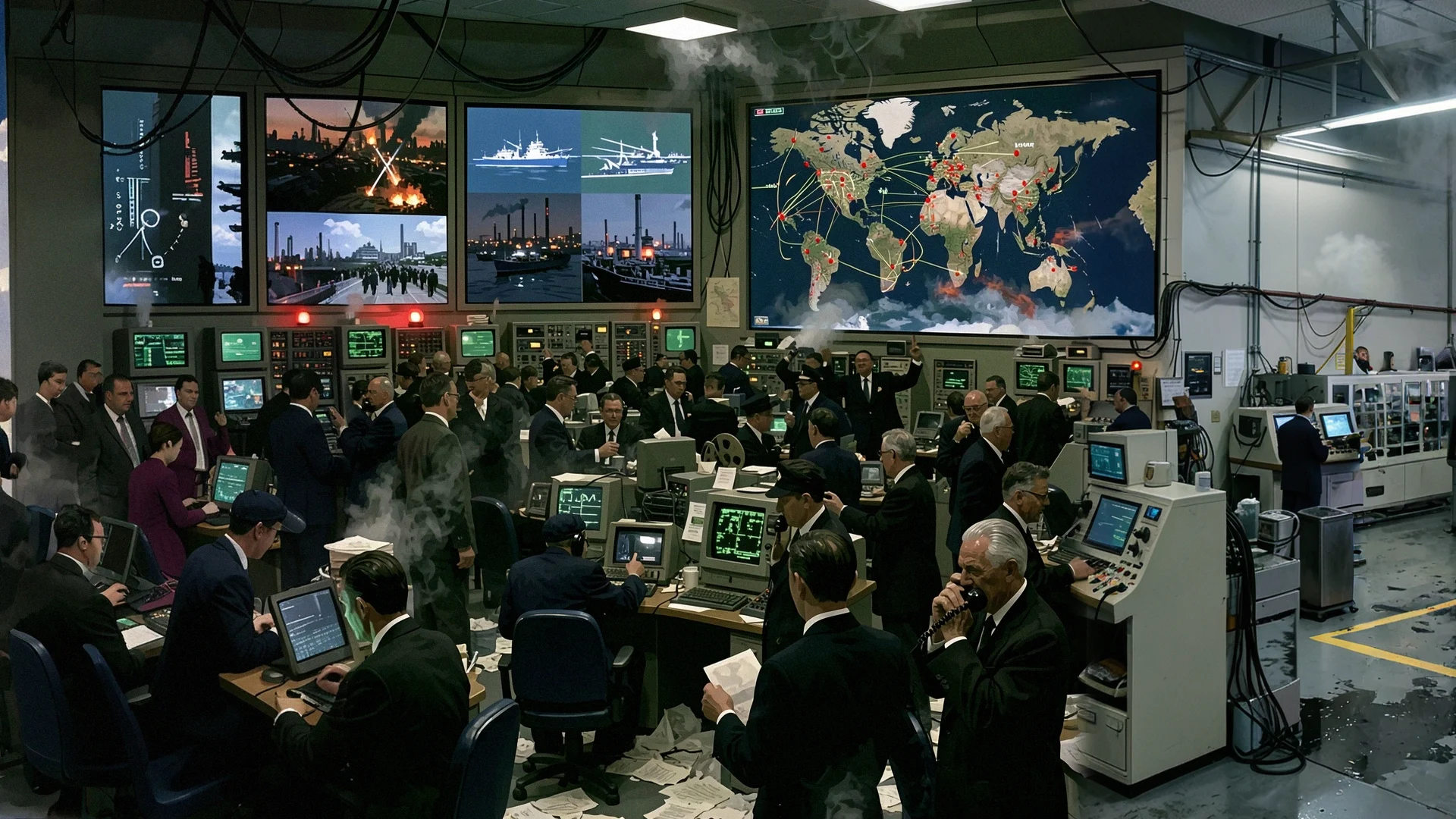
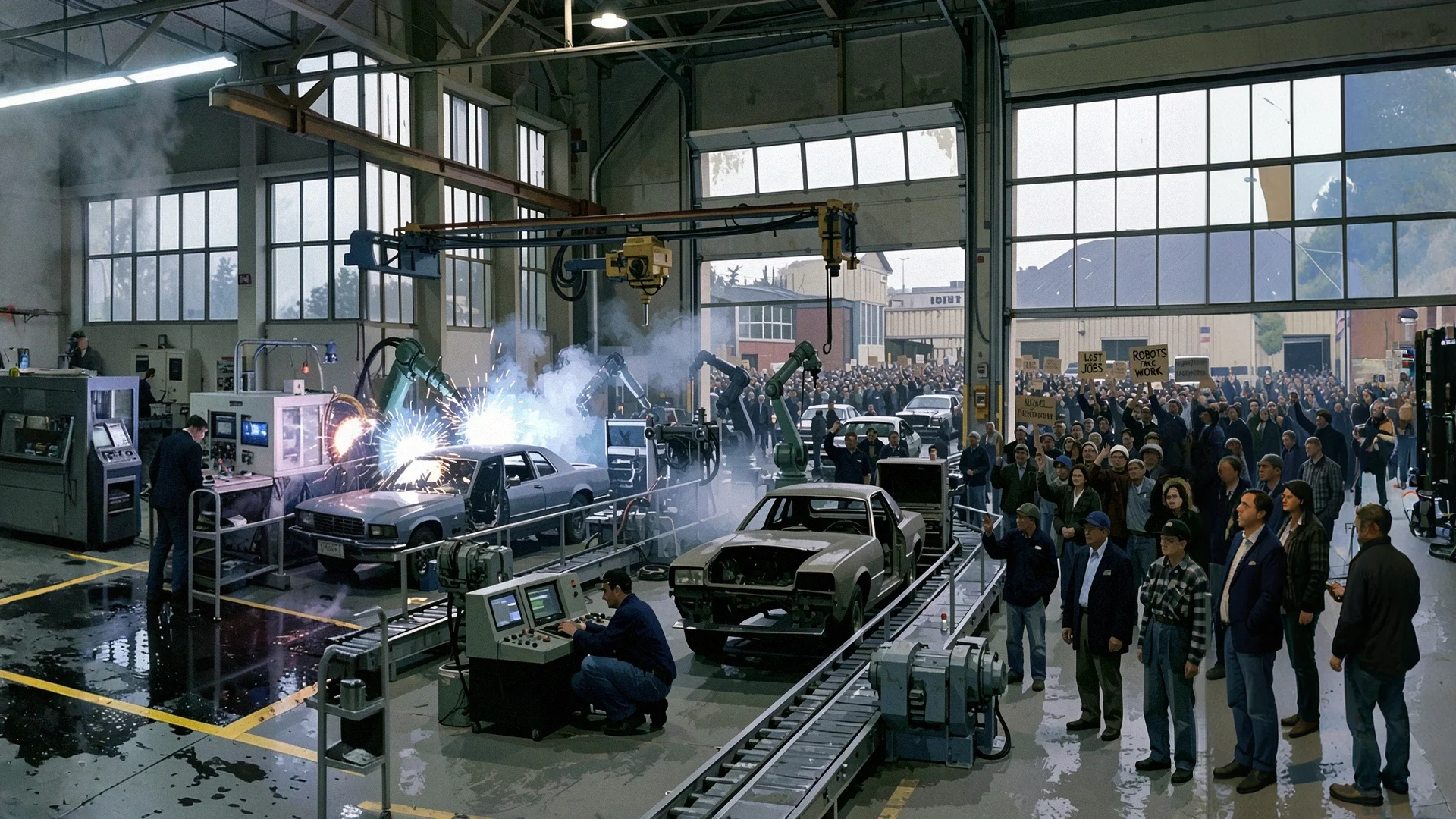
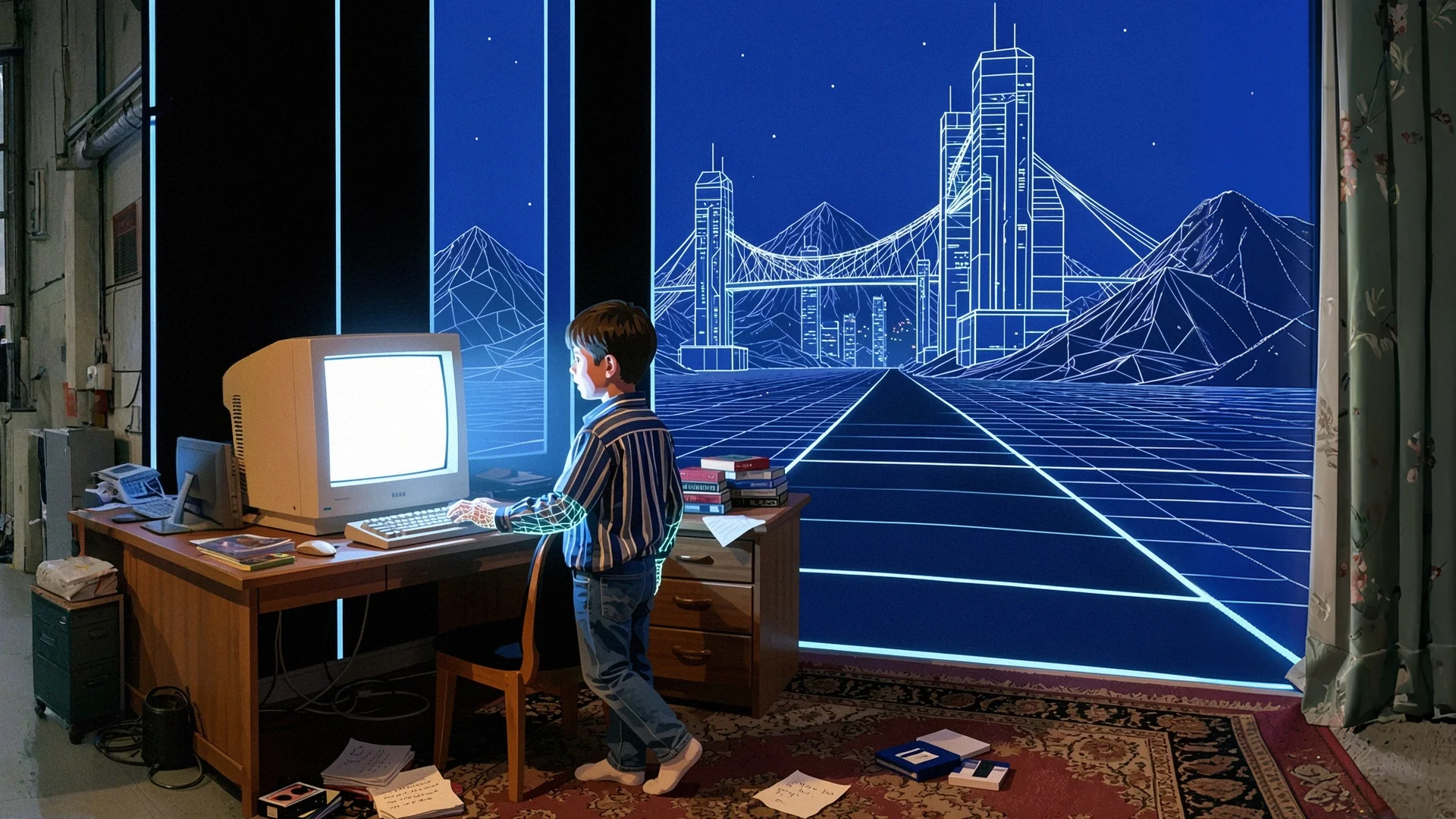
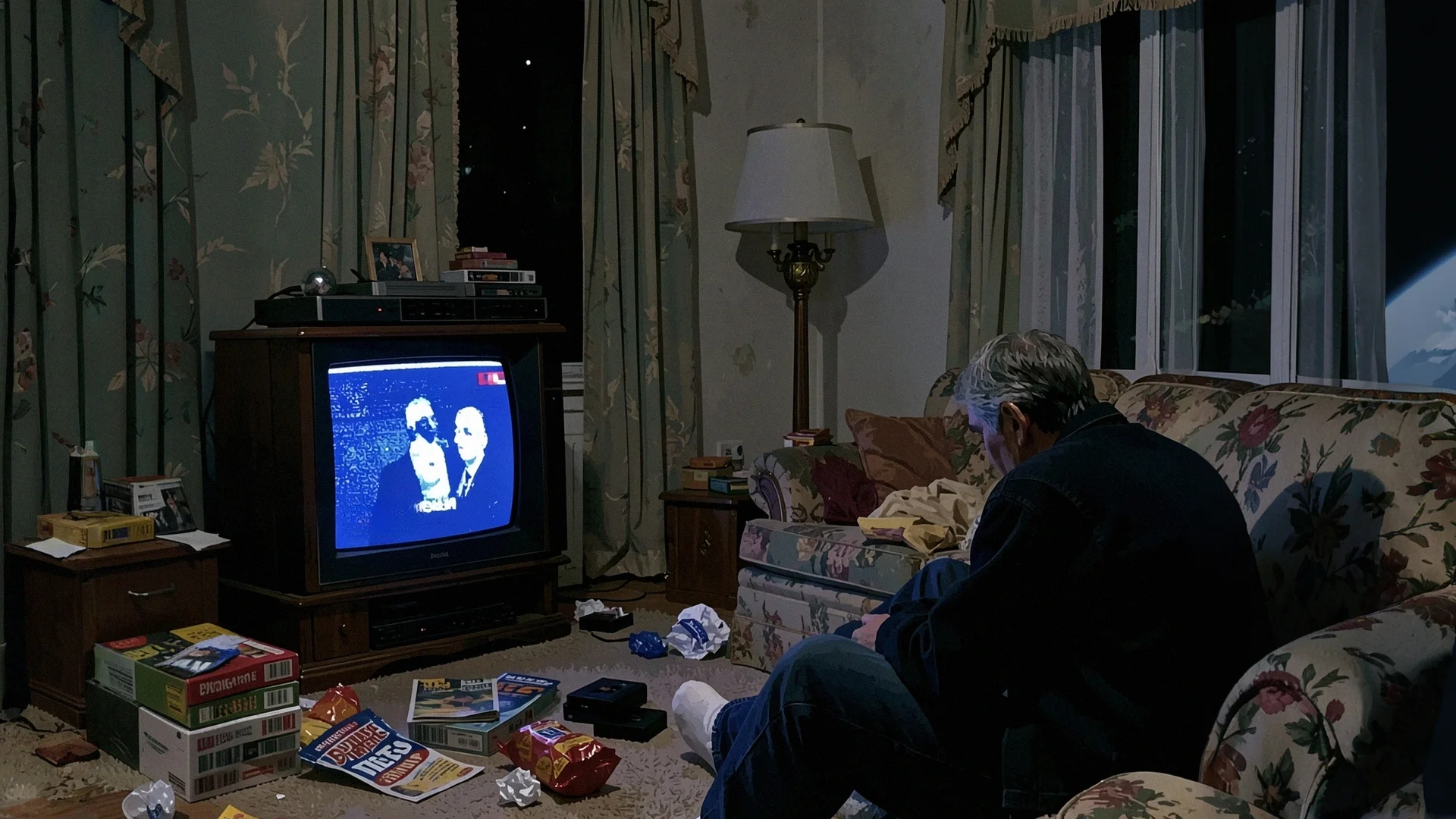
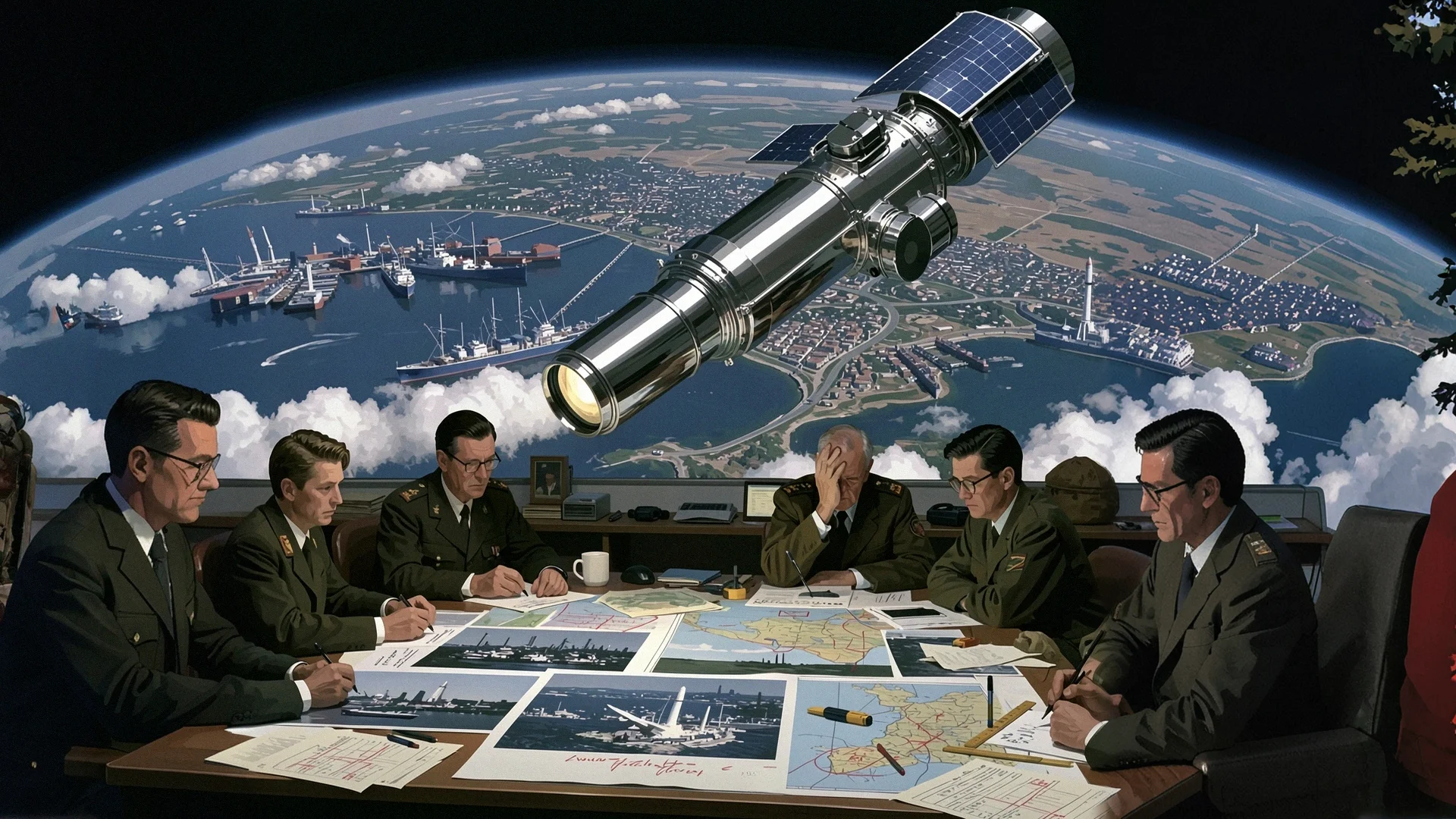
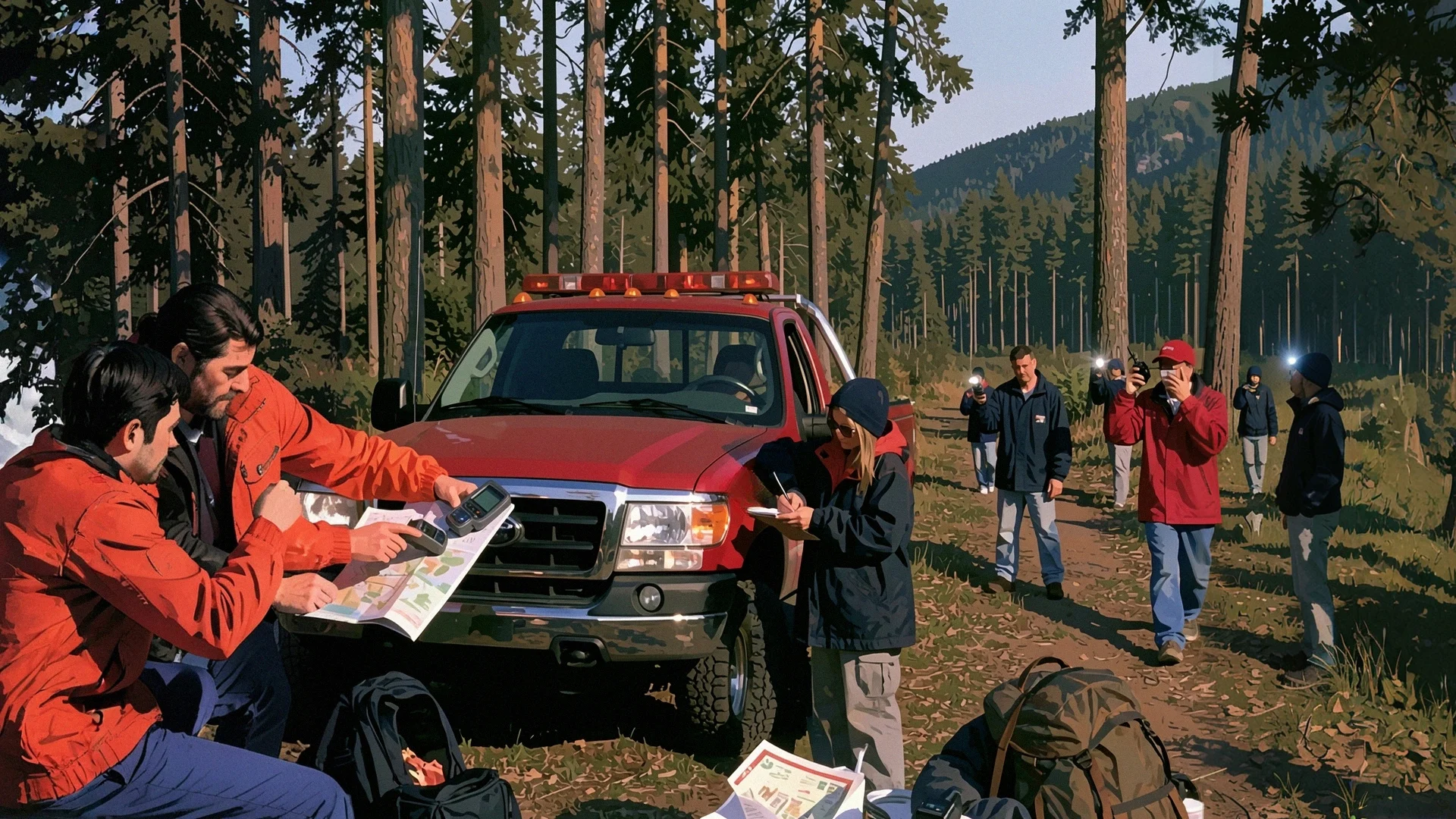
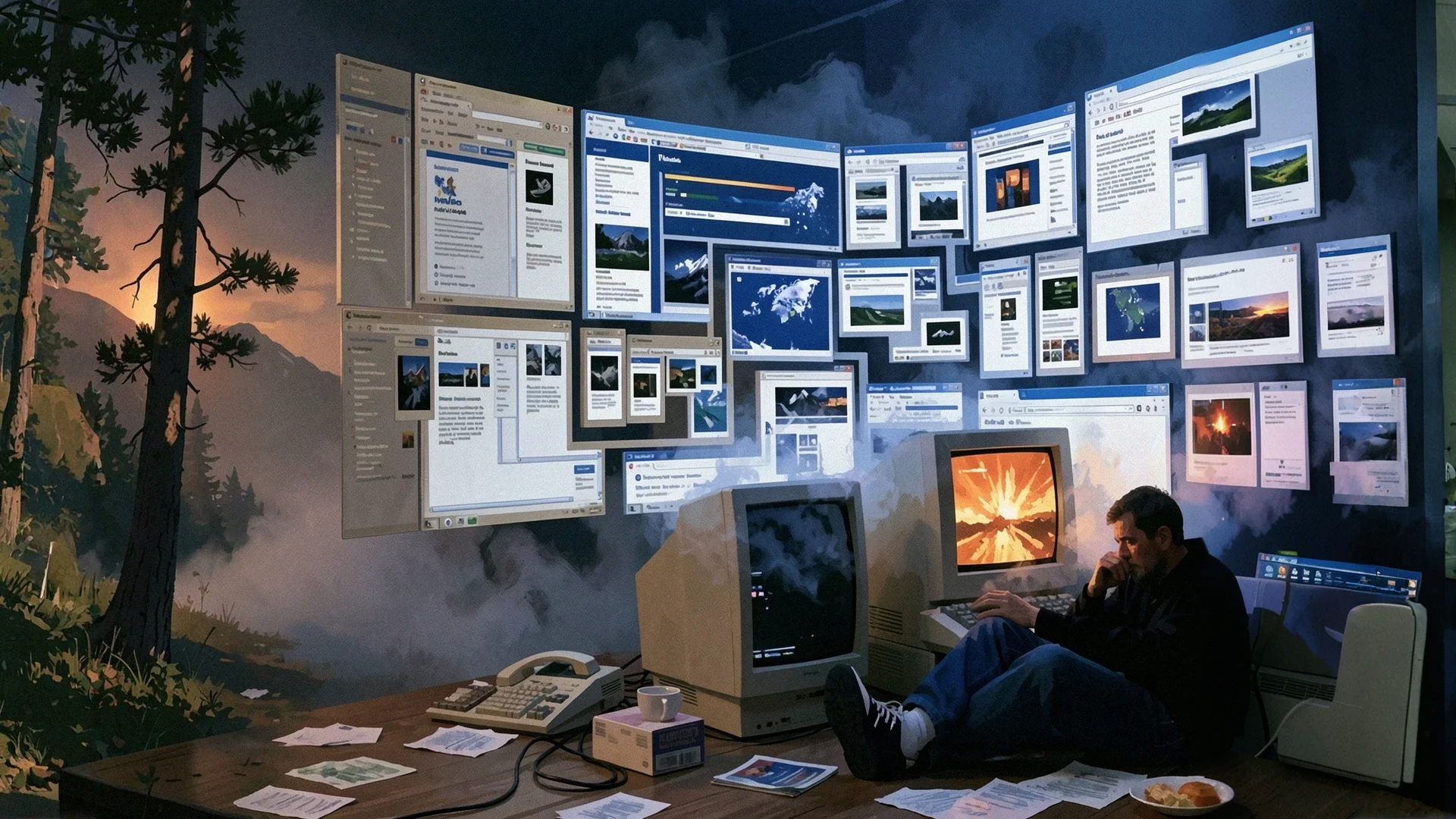
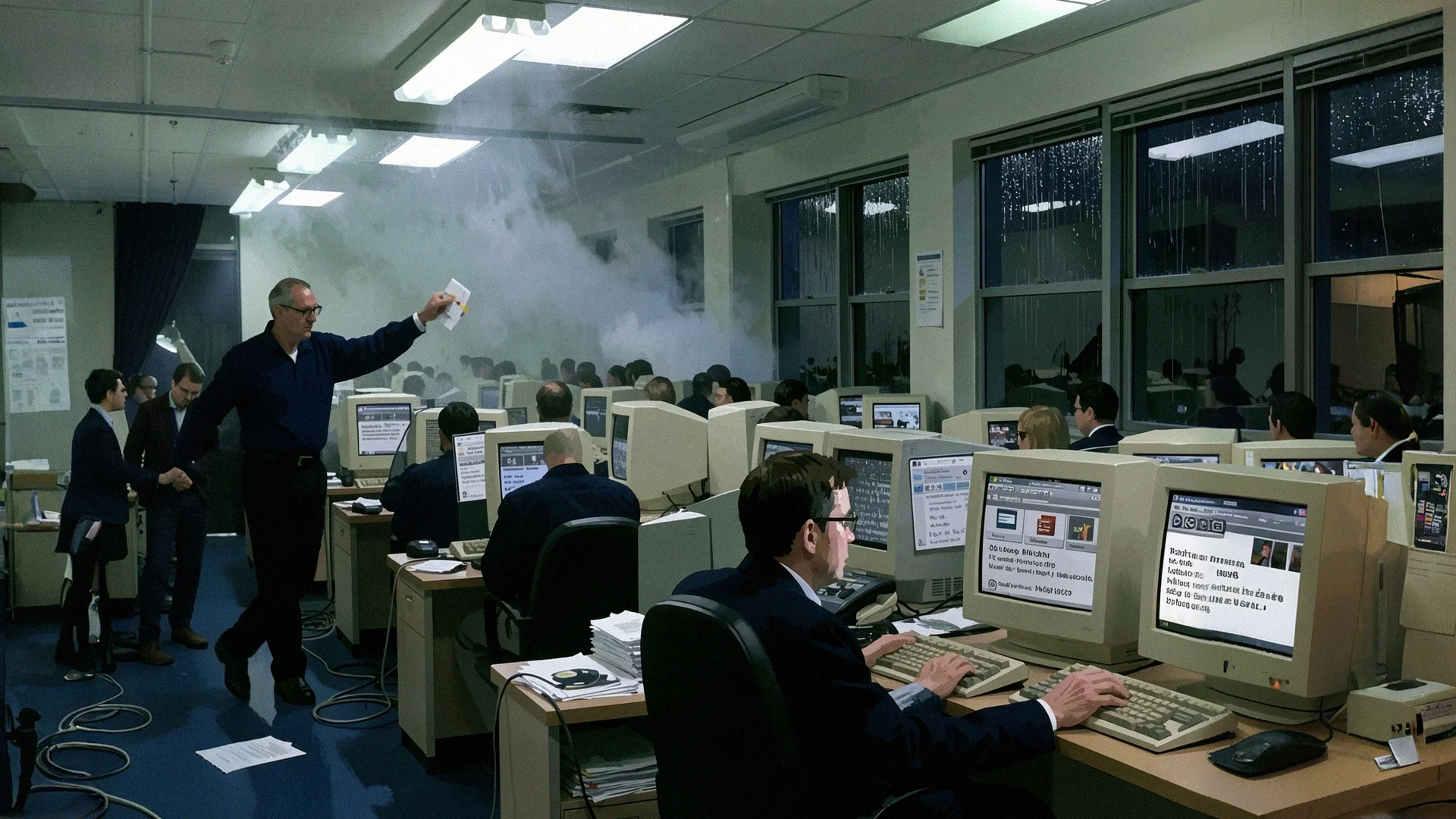
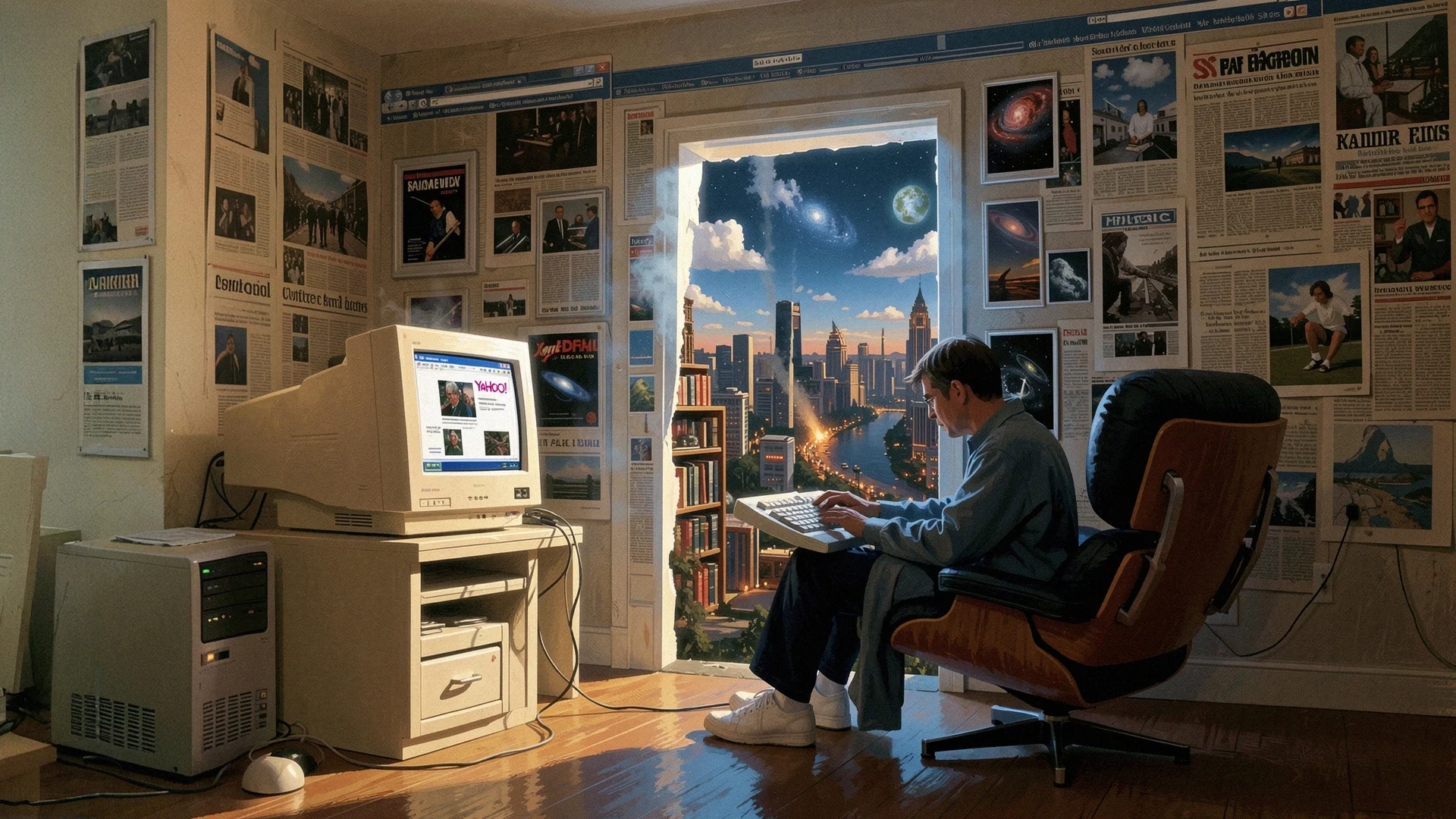
His collection on pause. became an important visual reference for the season. I also liked the way he had approached collaborations with other artists before. His work could clearly enter another structure without losing its own identity.
After making the first ninety days mostly by myself, I had a fairly good sense of what Panorama needed operationally. Delta brought a completely different way of building images and environments. That difference was a big part of why I wanted to collaborate in the first place.
Season 2, Anthology of Mankind, moves from the Stone Age to artificial intelligence across ninety connected works. How did you and DeltaSauce decide which inventions would tell that story?
Chronology gave us the basic structure. We started with stone tools, around 3.3 million years ago, and moved toward artificial intelligence. In between there are things like controlled fire, writing, the printing press, vaccination, photography, nuclear fission, the web, blockchain, gene editing and brain-computer interfaces.
We weren’t trying to build a definitive history of technology. Ninety works would never be enough for that anyway.
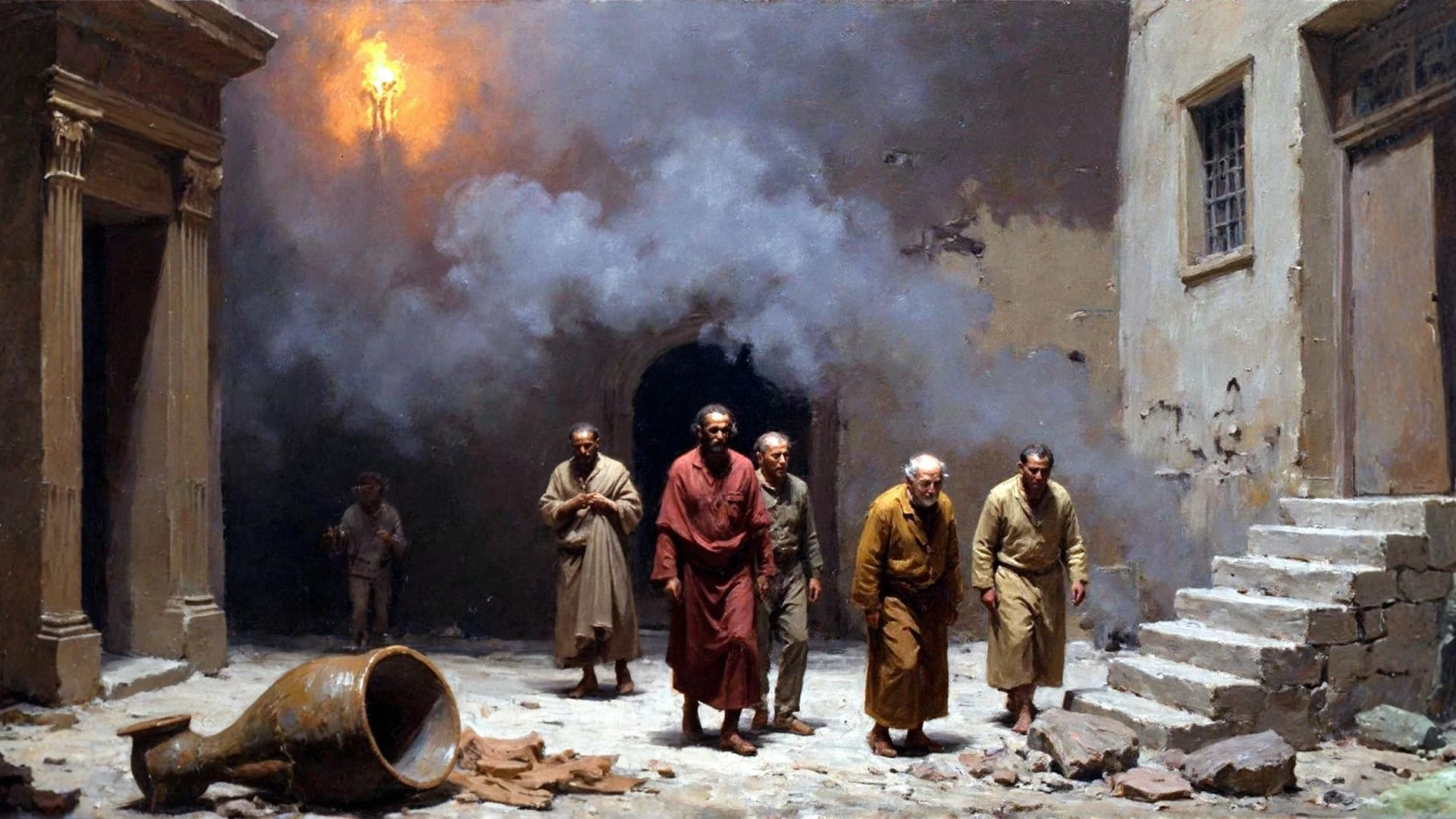
What interested us more was choosing technologies that could produce very different outcomes depending on how the system interpreted the day. Fire can mean warmth, food and gathering, but it can also burn a settlement. The printing press can spread knowledge or propaganda. Social media can help people find each other or build systems that reward conflict.
Each day focuses on one technology, while the market determines the emotional direction from which we approach it.
That became our main filter when making the list. Technologies that only seemed to tell one kind of story were usually less interesting to us. The season gradually became less about documenting inventions and more about looking at the different things humans have done with them.
Each collector owns a segment of something much larger. What does that relationship between the individual piece and the complete artwork mean to you?
I like that the unit you collect and the larger work aren’t exactly the same thing.
Each NFT is one day of Panorama. It has its own place, mood, subject and relationship to the images beside it, and I still want each one to be something you can look at independently.
At the same time, it is also only a small part of a year-long image. The larger work is probably experienced most clearly through the scroll, where hundreds of these individual decisions start becoming one landscape.
$PANO adds another relationship to the whole thing because its movement affects the system across days rather than representing ownership of one particular image.
Collectors also seem to approach that structure in different ways. Some mainly care about the tableau they own. Others pay attention to how their image connects to the works beside it. A few have used the permissionless storage system to put their images fully on-chain.
I like that there isn’t necessarily one correct way to relate to the work. You can own a specific day and still know that the thing continues far beyond its frame.
Have you and DeltaSauce discussed exhibiting Panorama physically as one long, continuous artwork?
Yes, we’ve talked about it since very early on.
The format naturally makes us curious about what it would feel like physically, especially if the work could be experienced at a scale where you actually have to move through it rather than seeing it compressed on a screen.
We would both like to explore that, but there isn’t anything planned at the moment.
Our DMs are definitely open to curators, galleries and spaces who might be interested in figuring out what a physical version of Panorama could become.
THE LONG VIEW
Panorama’s most revealing moments may be those in which its structure becomes visible: a seam that turns two scenes into one place, a technology pictured as either promise or catastrophe, collectors recognising that they can influence the next image. These moments give the project’s rules a tangible presence in the work.
A physical exhibition would bring another dimension to that experience. Walking alongside the landscape, a viewer could encounter each day at its own scale while gradually taking in the larger sequence. For now, the scroll holds those two perspectives together. Each collector owns a frame; the work keeps asking them to look beyond it.