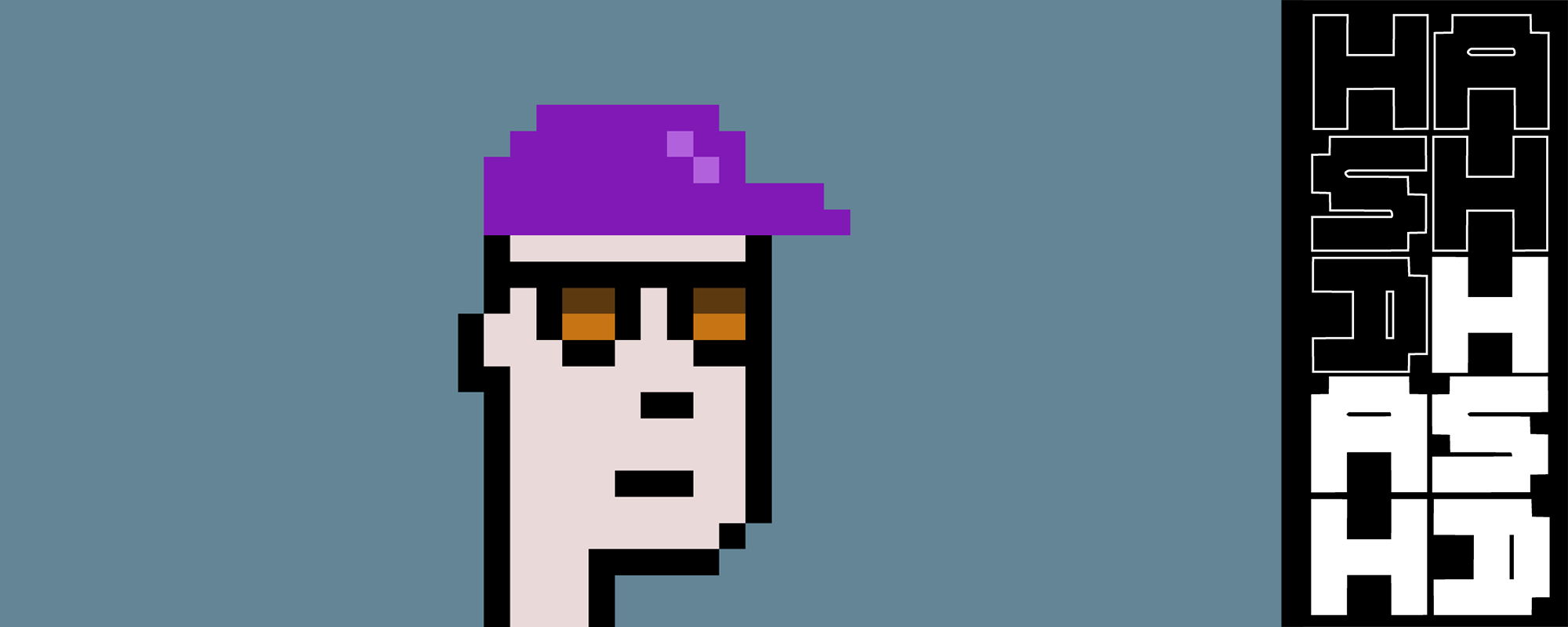
In late 2022, a TradFi veteran from the North West of England was in a London pub showing his mates his first NFT, part investor, part curious. Three years later the wallets he named Work-In-Progress hold one of the most deliberately built collections in digital art: an XCOPY 1/1 at its spine, CryptoPunks at its roots, and the early catalogues of m0dest and MaNiC, collected in depth before the wider market learned their names. The day job, the wife, the kid and the new puppy are all still there. So is the way he introduces himself to other collectors: “Hi, my name is sqda and I am an addict.” He is joking. He is also not. A conversation about compulsion, succession, and why the exit strategy is the art itself.
You opened your collection thread like a support group: “Hi, my name is sqda and I am an addict.” What’s the honest sentence underneath it? What does collecting actually give you that the day job, the wife, the kid, and the puppy don’t?
I’m very lucky to have an amazing family and we genuinely enjoy hanging out together. The new puppy is amazing too, when she’s not trying to eat me. I don’t take any of that for granted.
Equally, over the years, more than two decades now, to date myself, I’ve given a lot to the day job. I definitely have an addictive personality. I’m a TradFi guy and for a long time I’ve been addicted to work and helping build our business. I’m also addicted to jiu-jitsu, which is probably a healthier addiction. And yes, I’m addicted to JPEGs, as I like to refer to our space.
By JPEGs, obviously I mean NFTs, or probably the better description: digital on-chain art.
Is being addicted to collecting JPEGs a good thing? On balance, yes. It’s fun showing my daughter the NFTs I’m interested in or have acquired and hearing what she thinks about them. But everything is good in moderation, and sometimes I need to put the phone away and filter out the noise.
At its core, I just love looking at art. These days that is more digital than traditional, although I appreciate both. And I love trying to build my digital art collection into something that, hopefully, becomes quite special.
Bad Flavour came to you from punk4940, who you thanked for “passing the torch.” From the outside a sale is a price; from inside it sounds like something closer to succession. What actually happens in a sale like that, and does knowing who held a piece before you change what you own?
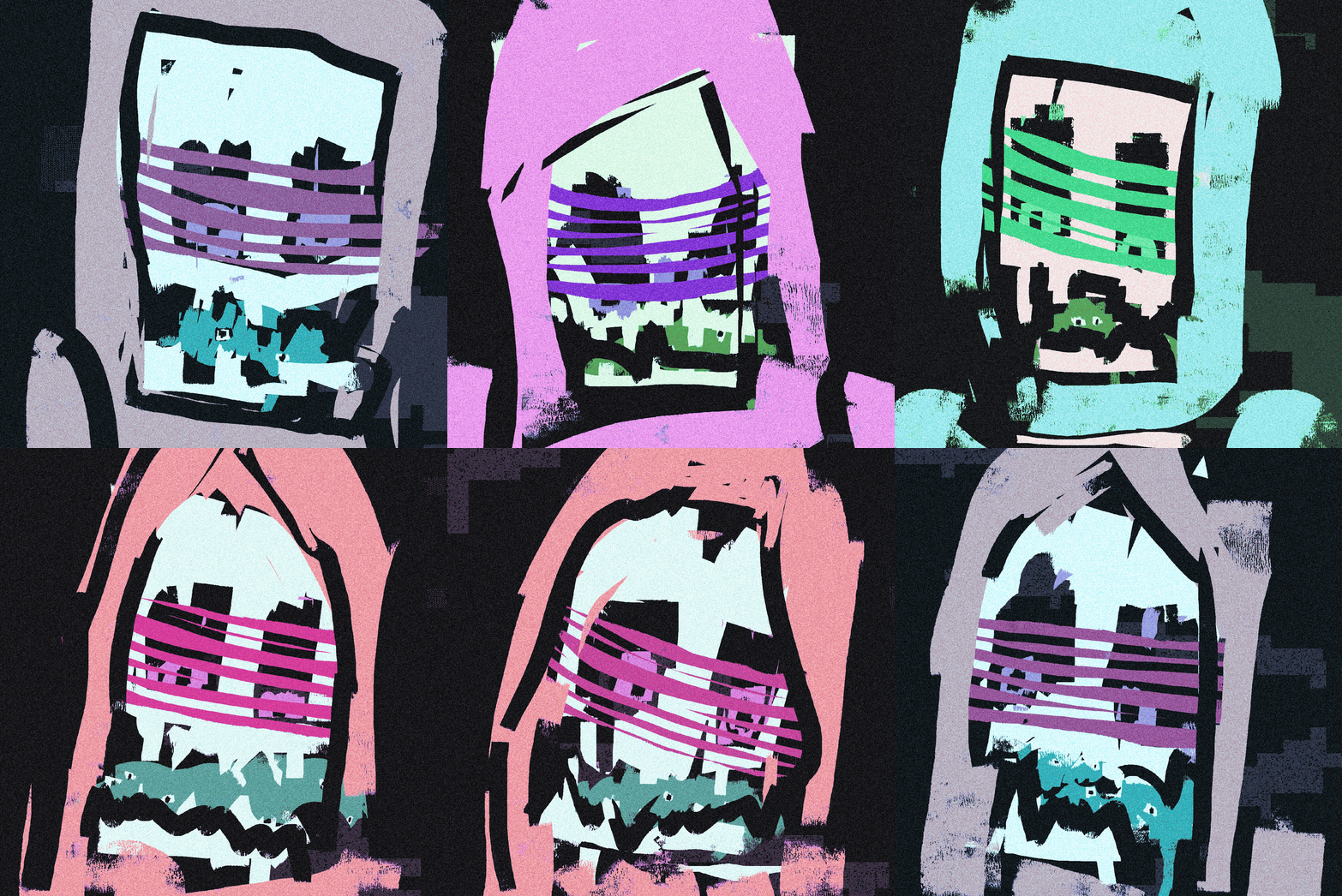
That was a big day for me. Going from purchasing my first NFT in late 2022 to acquiring an XCOPY 1/1 has been an incredible journey.
One of my first NFTs was actually XCOPY’s MaxPain. I didn’t even know who XCOPY was back then; I just loved the way it looked. I remember showing it to colleagues on my phone in a pub in London, trying to explain what an NFT was.
My collecting really accelerated over the summer of 2024 and into early 2025, when I went on a bit of an acquisition spree. I thought I was done when I managed to acquire Mortal, one of XCOPY’s most recognisable and sought-after editions. Thanks to help of my friend, and NFT whisperer, Eli Scheinman who helped me track one down.
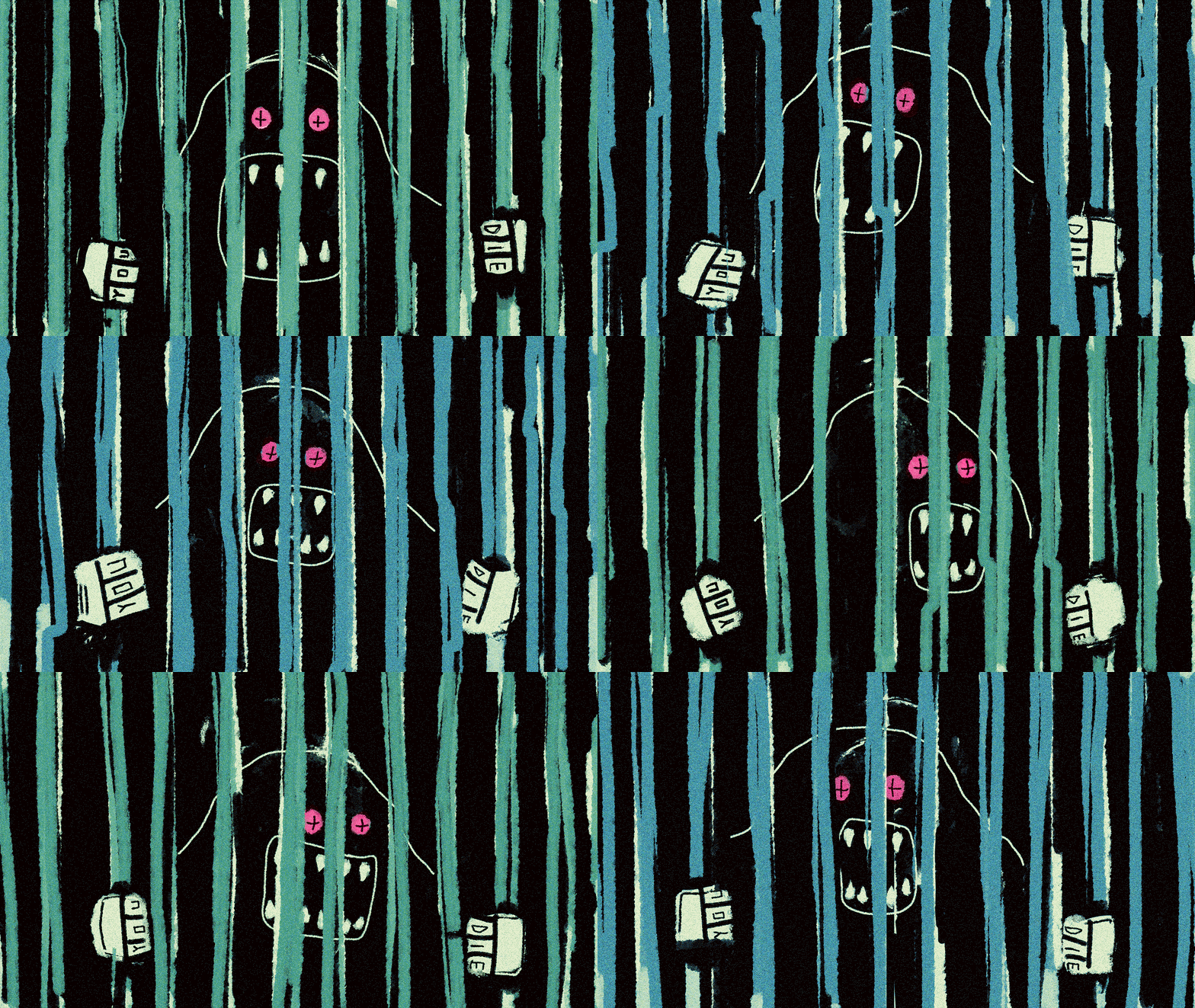
But I eventually realised that to really finish the XCOPY part of the collection, I wanted a 1/1. I spent over a year looking for the right one.
It wasn’t easy. I’ve always tried to be honest with myself and buy art I genuinely like rather than something simply because it looks like a good deal. Hopefully you can see a particular style or flavour, pardon the pun, running through the XCOPY works in my collection. I also knew I wanted the 1/1 to be a character piece, which narrowed the field considerably.
Then you need to find an owner willing to sell. Then you need to agree on a price. Meanwhile crypto is moving up, down and sideways, and you start debating with yourself whether something should be priced in ETH or dollars. The stars really need to align!
Bad Flavour had always been on my list because I simply loved looking at it. Provenance absolutely adds something, and getting it from Punk4940, another fantastic collector, made it more special. Ultimately, though, it was the right piece at the right time for him to let go, and I hope it has found a great new home in the sqda collection, or the “work in progress” collection, as I still like to call it.
The spine of your collection is the biggest names there are, XCOPY, Sam Spratt. Some collectors would call that playing it safe, buying the index. Make the case for concentration: what does an anchor artist do for a collection that ten discoveries can’t?
It’s a fair question. My first “expensive” NFT was a CryptoPunk, and shortly afterwards I bought my first XCOPY editions, Deathless and Overlord. If I’m honest, back then I was part investor, part casual collector. I didn’t anticipate what happened next: I fell in love with digital on-chain art, and collecting went from something I was interested in financially to one of the great passions of my life.
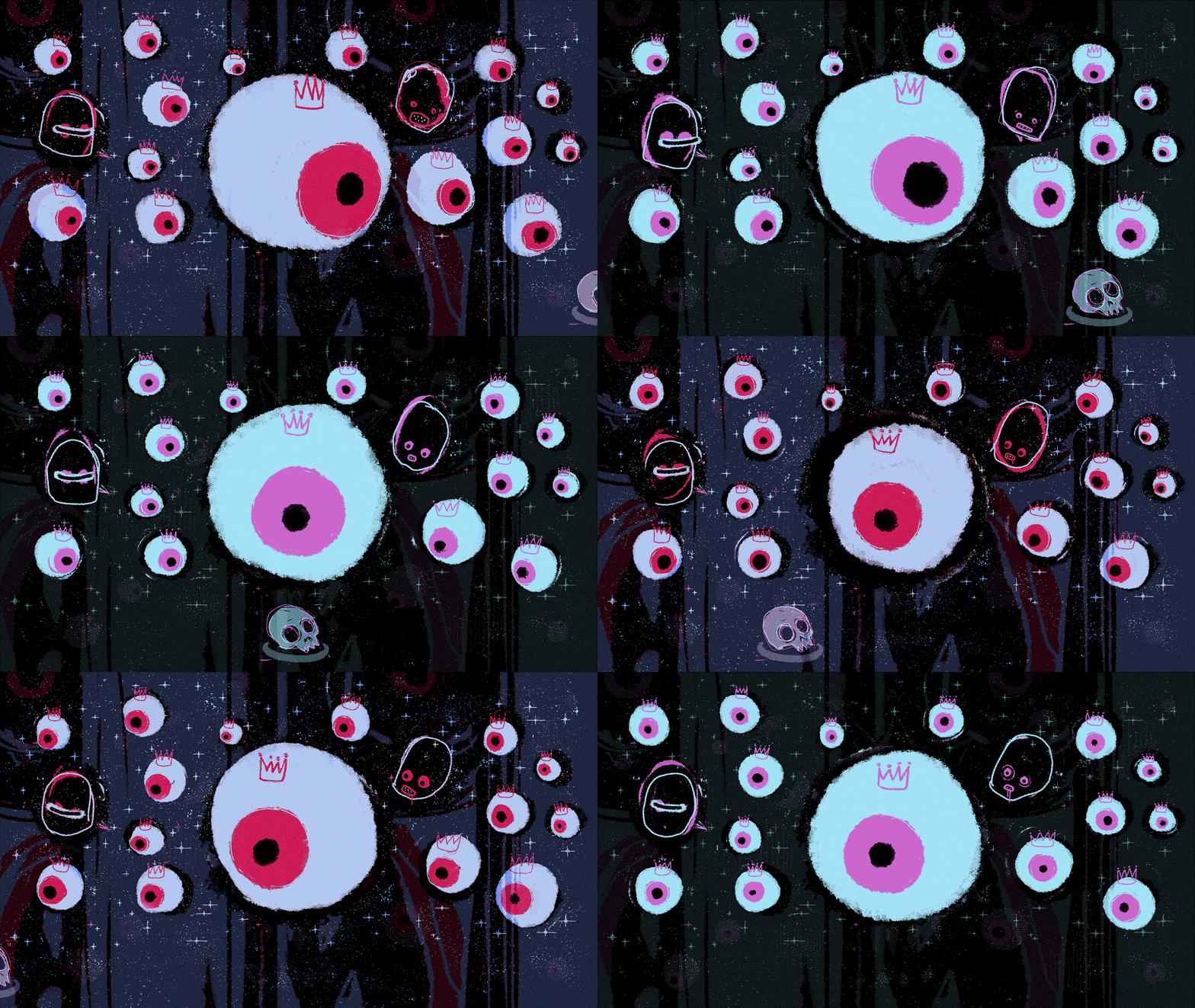
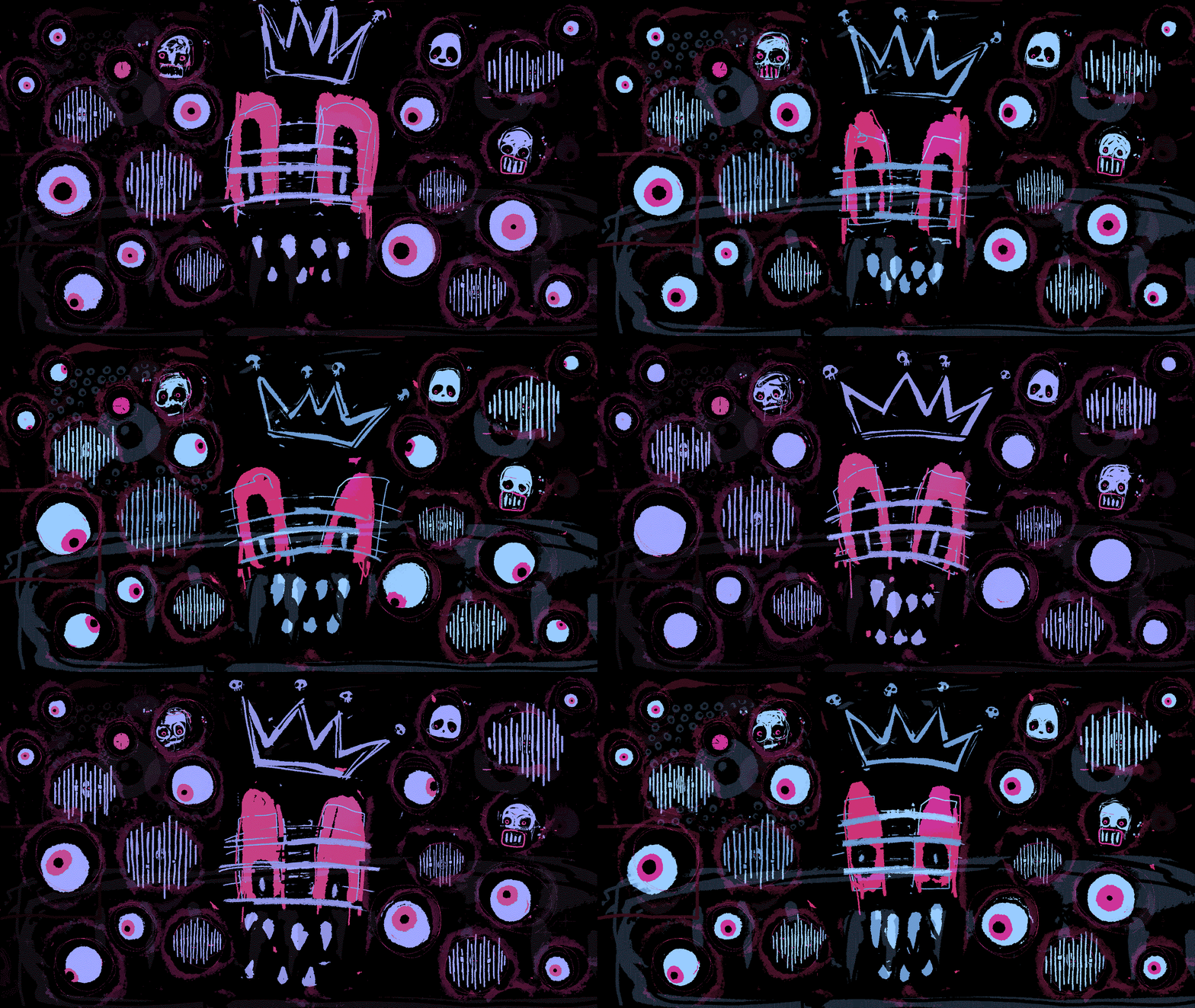
In some ways it has come full circle, because today XCOPY and CryptoPunks are by far the two most significant parts of my collection by value. But I don’t think concentration is simply about buying the index.
For me, it’s about building a collection that represents my interest and taste. I never wanted to own 1,000 works by 1,000 different artists with nothing obviously connecting them. I prefer to build around a handful of artists, styles and ideas that I really love. Going deeper creates continuity and gives the collection a thread and narrative that you don’t get from owning one work from everyone.
Some of those artists are obviously established. XCOPY is central to the collection. Beeple is another artist I love, and I’ve had the privilege of meeting him, his brother Scott and his amazing family, and visiting his incredible studio.
For the record, I’m not finished there and I’m excited about a potential future Beeple work for my collection. Folks will just have to watch this space for that one but it’s special.
Sam Spratt is another, and finally acquiring a Skull of Luci last year was particularly important to me.
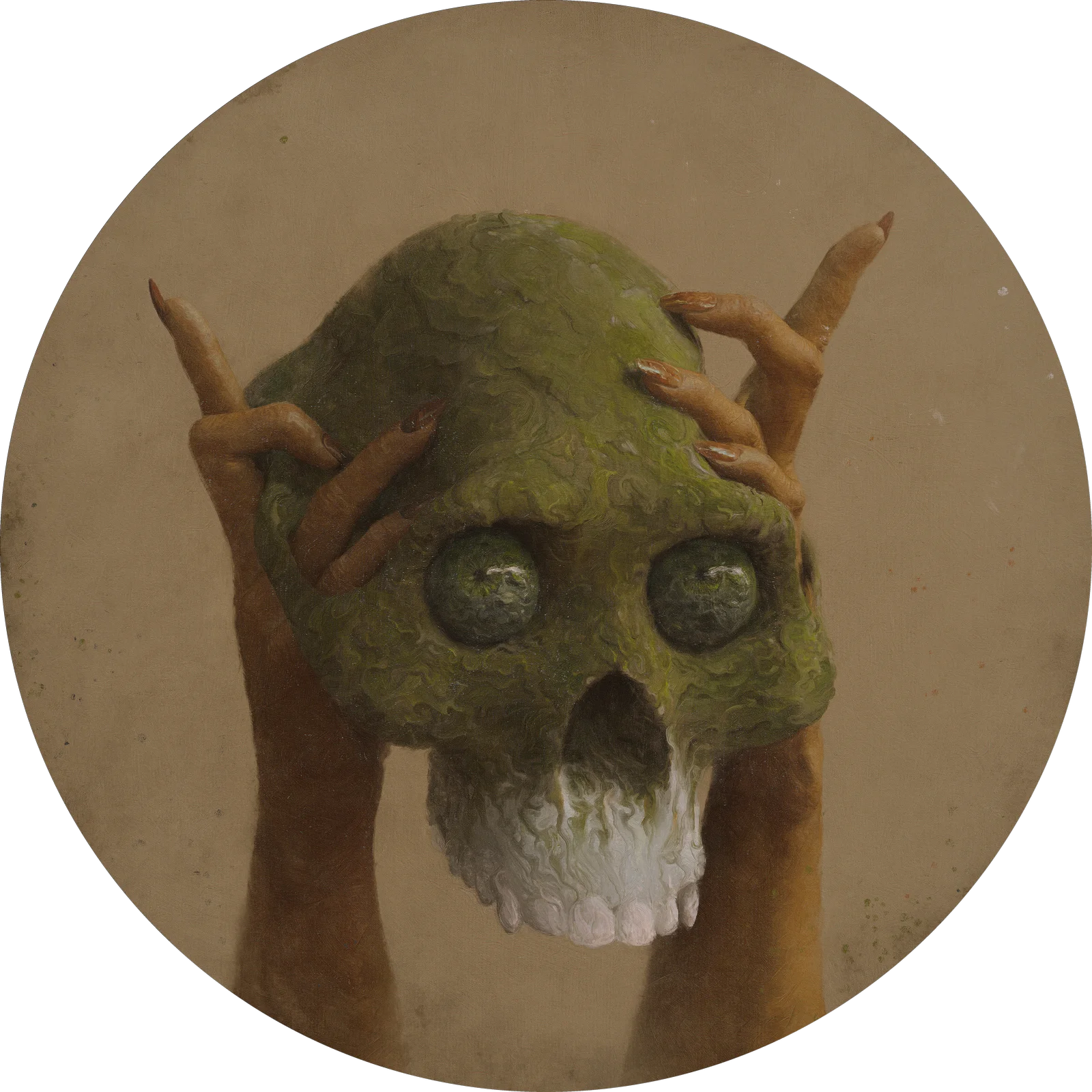
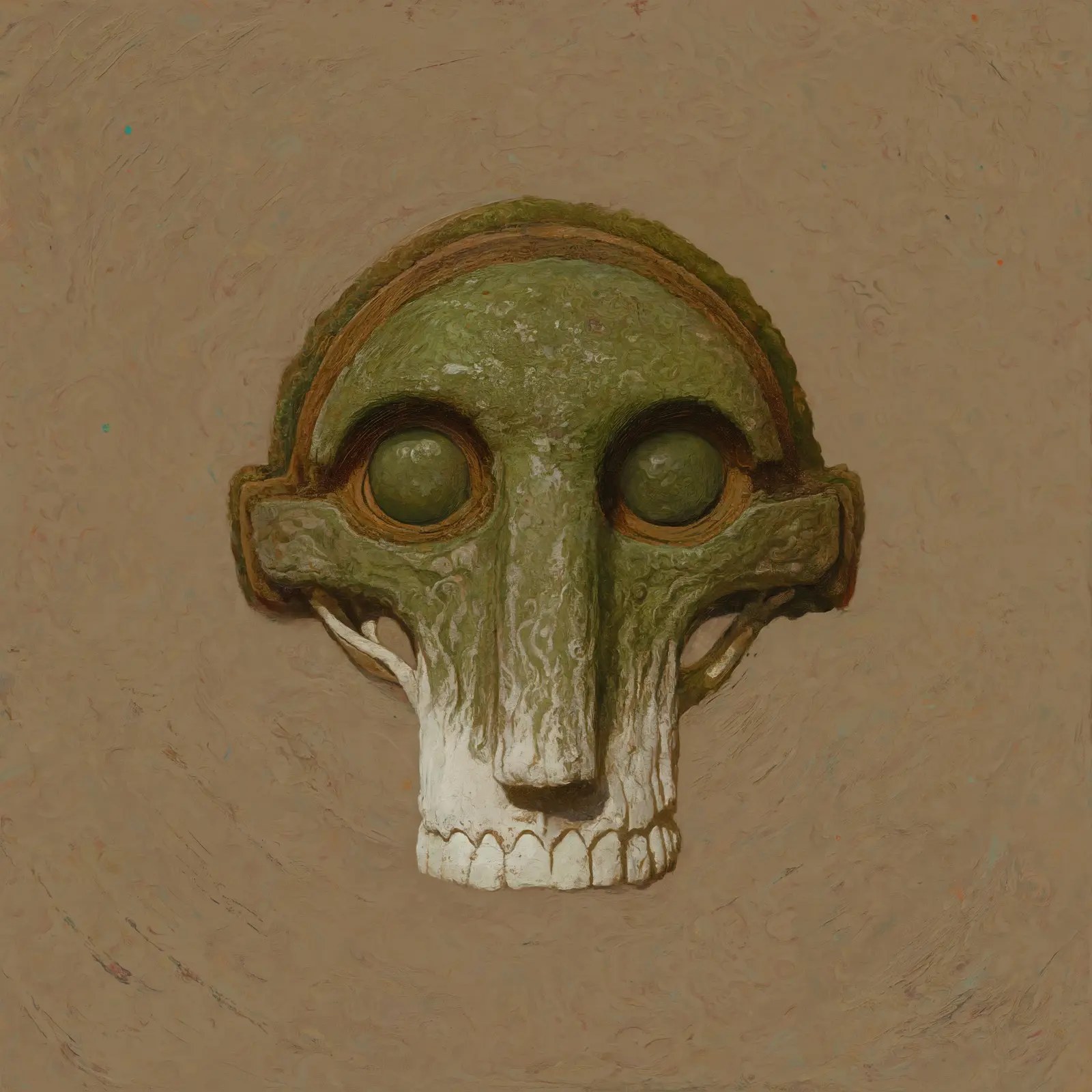
Browse sqda’s Sam Spratt collection.
But concentration doesn’t only mean established names. I can point to m0dest and MaNiC, two incredible artists who aren’t yet as well-known except to the core community. I believe I’m one of the larger collectors of both, and I built those collections without any expectation of where their markets might go. I did it for the simplest reason: I loved the art and it resonated with me.
When I find an artist whose work really connects with me, I’d rather explore their world deeply than own a single piece and move on to the next name. That, to me, is what gives a collection its identity.
And then m0dest and MaNiC, artists you were early to. Walk us through one discovery honestly: where were you when you found them, what did you see, and how many things that looked just as good turned out to be nothing?
The upside of my constantly scrolling X is that every now and then I stumble across an artist I might otherwise never have found.
In late 2024, I remember seeing a work called Just Scratched the Surface by MaNiC. It immediately stuck with me. I was still relatively early in my collecting journey, but I remember thinking: this is what digital art is supposed to do. It had this subtle dynamic glitch element that looked almost like fire burning through the canvas.
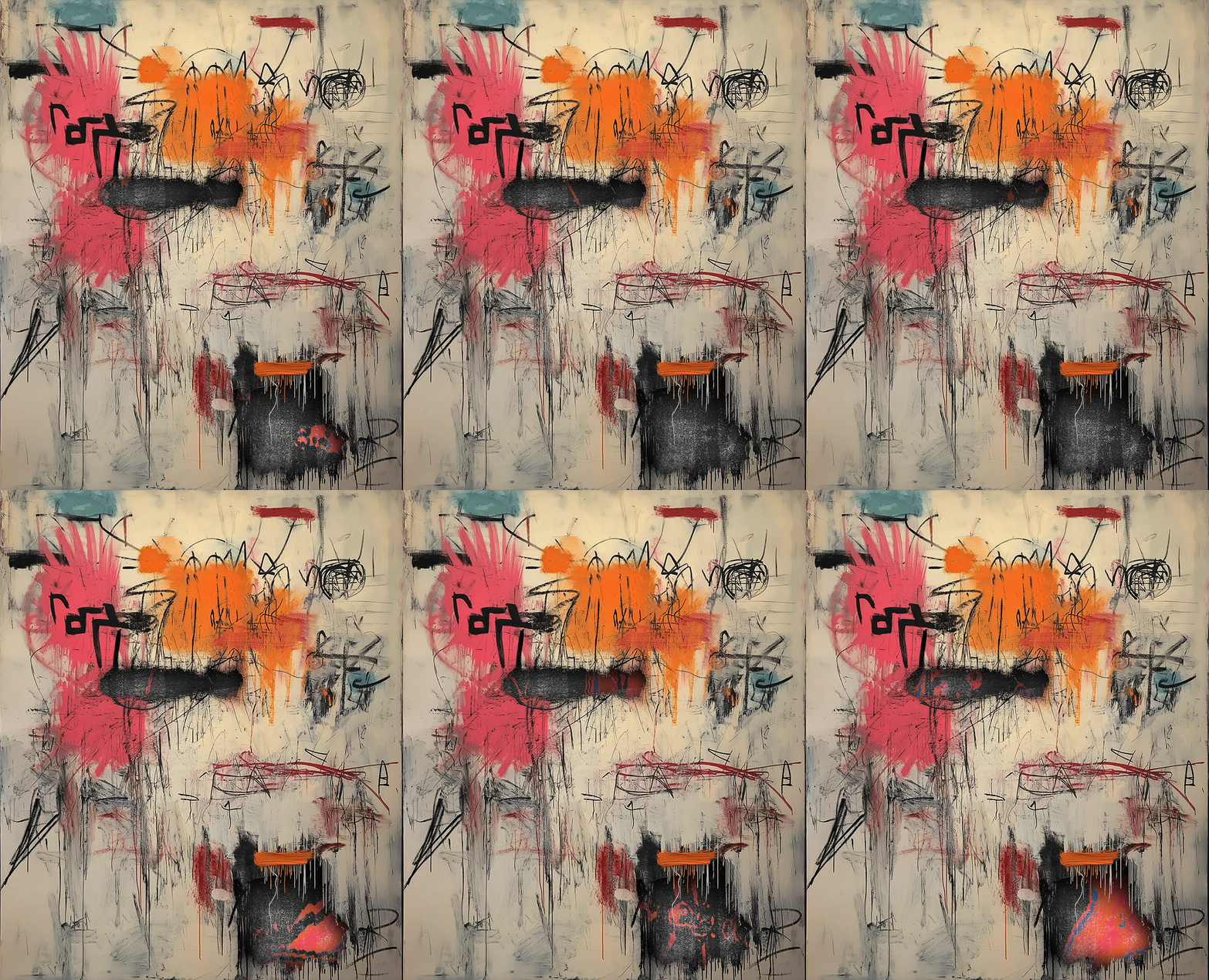
Looking at it today, it is quintessentially MaNiC. I think one of the marks of a great artist, beyond being innovative or technically interesting, is that you can see a work without the name attached and know immediately who made it. MaNiC has that.
And, as you can probably tell by now, I don’t tend to do things by half measures. I quickly bought many more works, including two of my personal favourites: Gaze of Eternity and Broken Down Daydreaming at the Desk’.
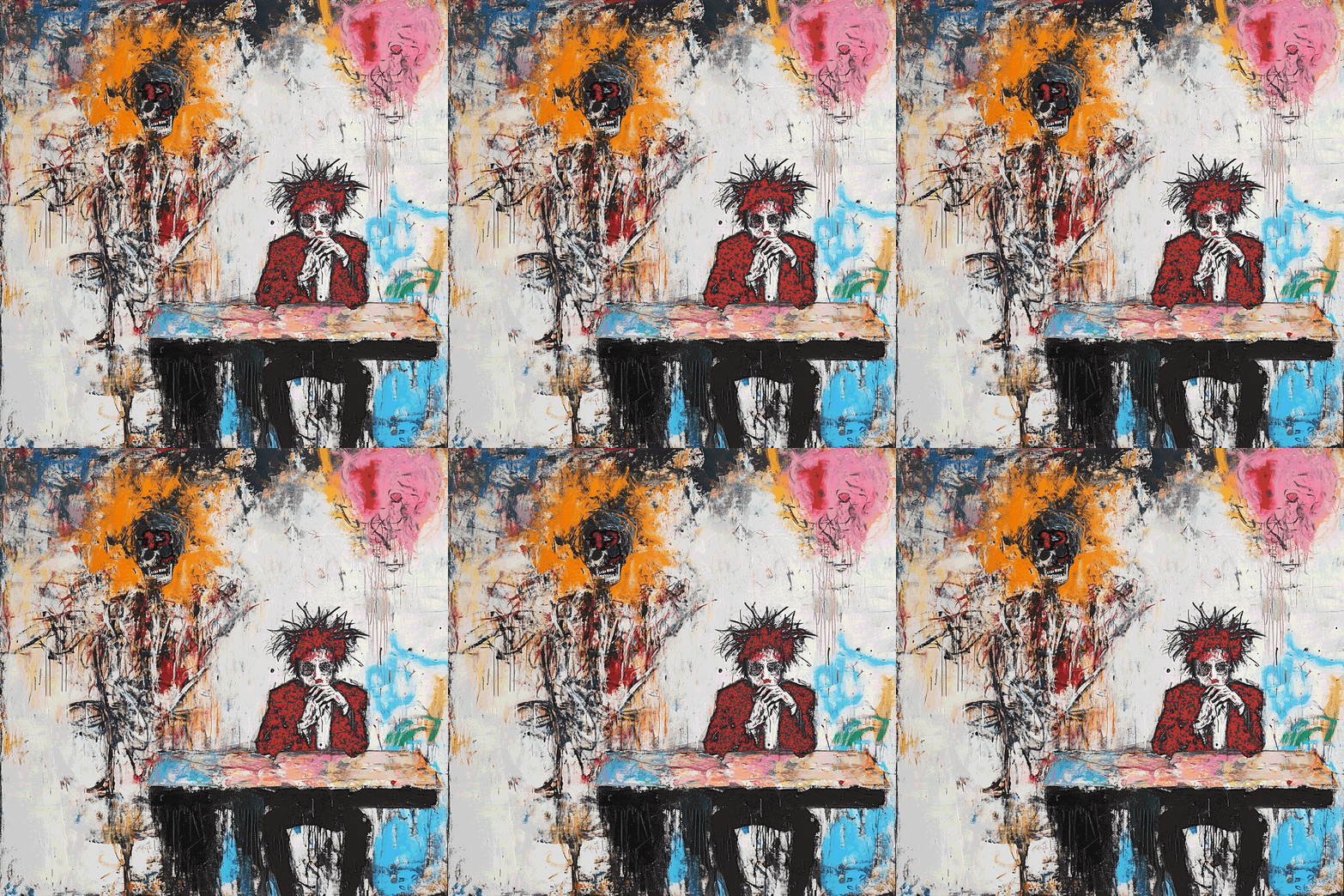
There’s a question I often have in the back of my mind when collecting: would I be interested in seeing these works hanging together in a gallery or museum, or presented together in a digital collection? Do they collectively tell me something about the artist? If the answer is yes, I tend to go for it.
My discovery of m0dest was slightly different. I kept seeing him post new work on X, seemingly every day. I was immediately struck by both the art and the work ethic. My process usually starts casually: liking, reposting and following what the artist is doing. If the work continues to stick with me, eventually I’ll reach out and say hello.
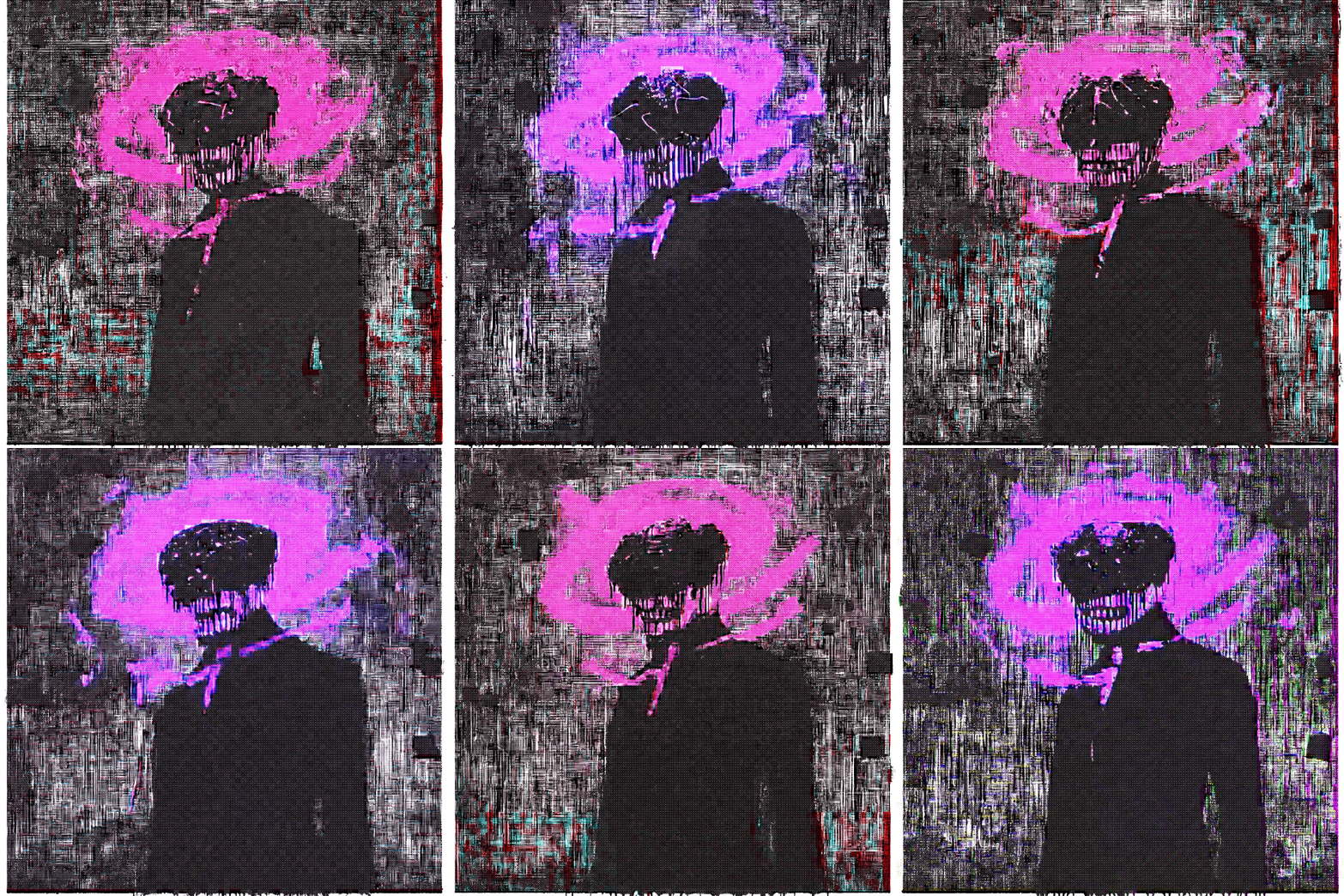
m0dest was then, and remains now, just a genuinely nice guy who has been incredibly generous to his collectors. After buying a few pieces, I had the idea of capturing some of those early works I had watched appear on X, almost like creating a time capsule. I chose ten pieces that spoke to me and represented his early styles particularly well. Those works were eventually minted as a collection, appropriately named by m0dest Archive.
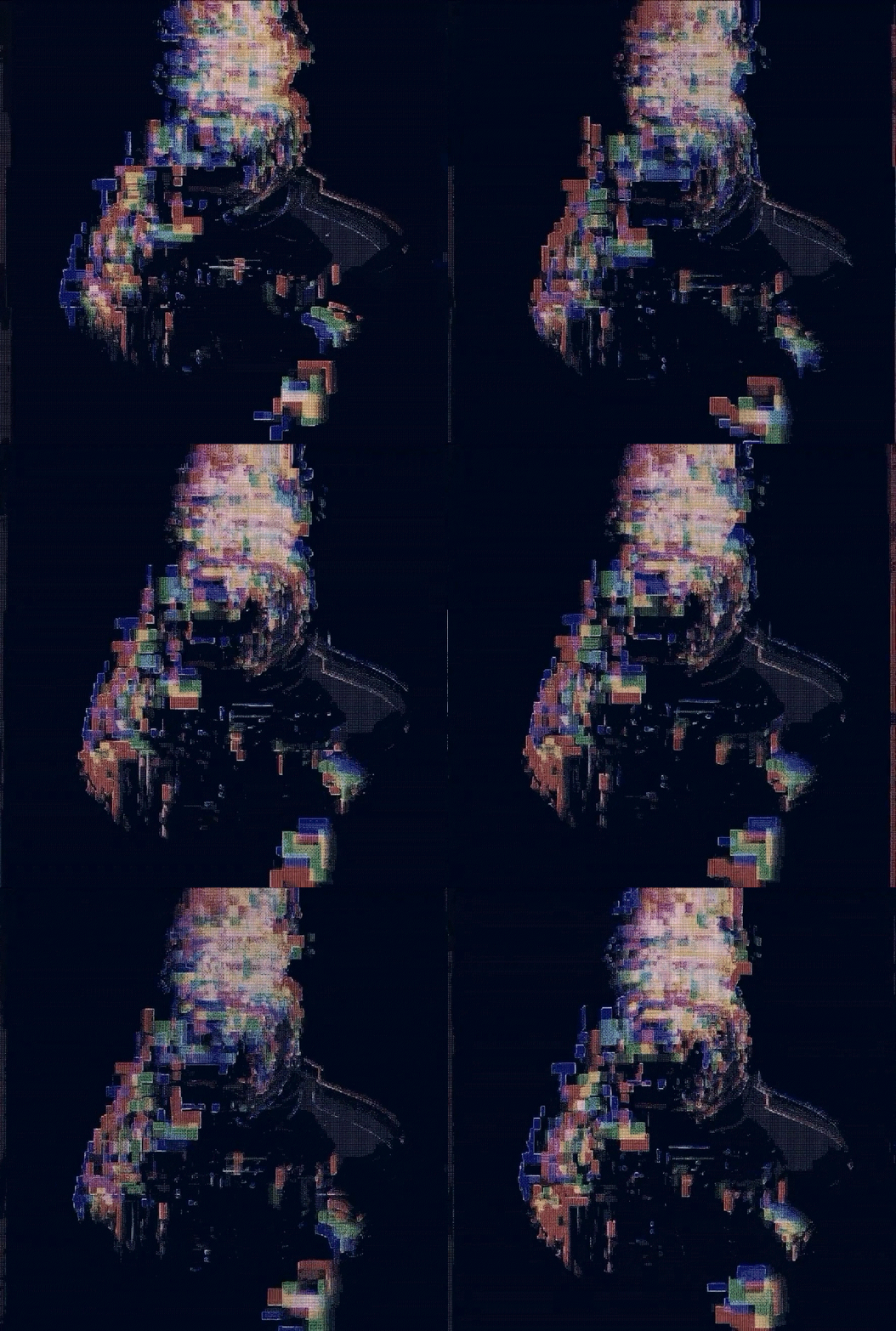
![the son of man [ eden.exe ] by m0dest](/sqda-archive-4.gif)

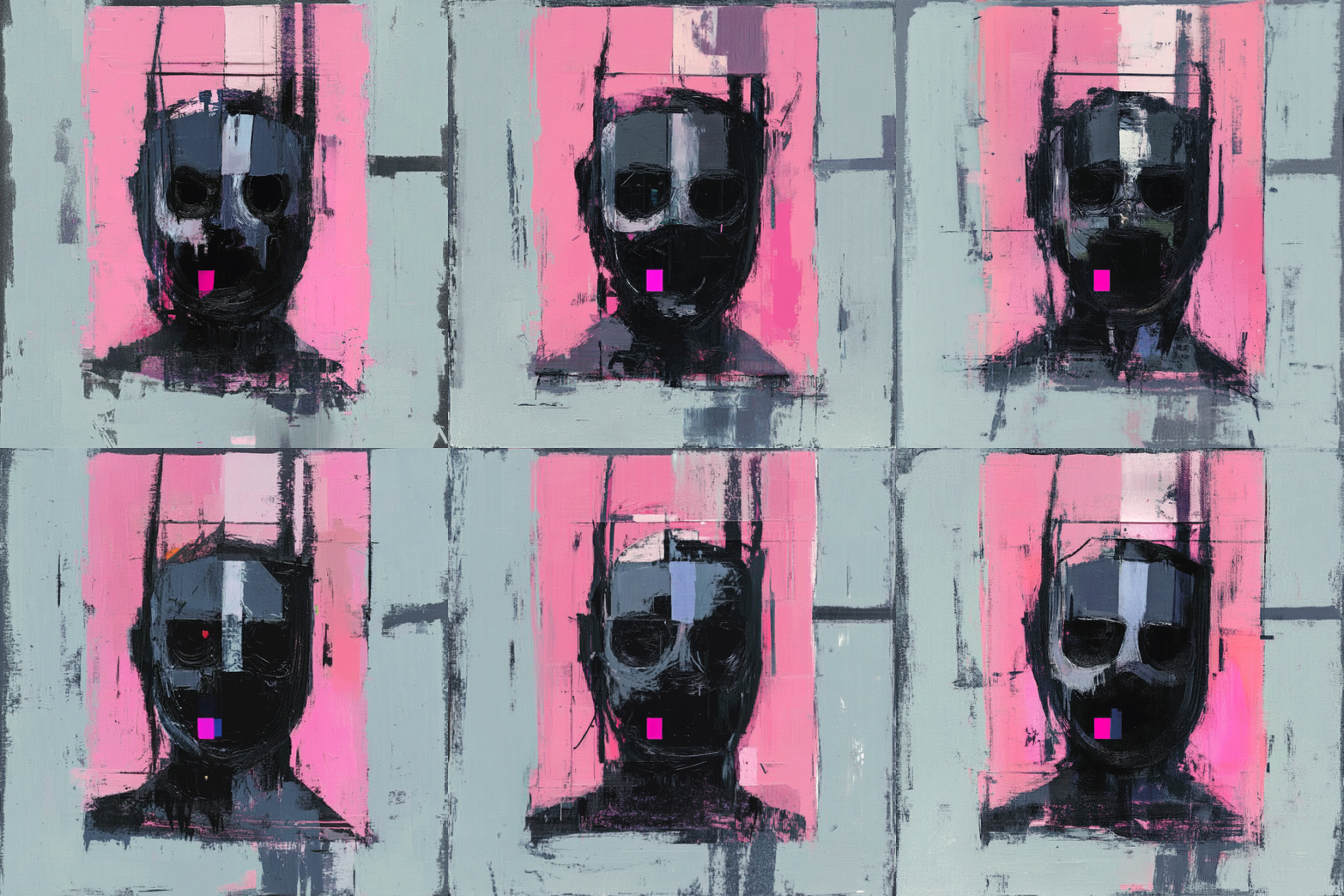
Read sqda’s thread.
Given the sheer volume and range of work he has produced since, looking back at Archive already feels strangely nostalgic.
What has impressed me even more is his willingness to keep pushing how he approaches art and technology.
And to answer the other part of the question honestly: plenty of things I’ve bought haven’t turned out to be good financial investments. That’s OK.
If I love a work, it can hold its own in my collection, and buying it helps support an emerging artist and the wider ecosystem, then I still consider that money well spent.
I’m no saint, though. Of course I hope my collection retains its value and appreciates over time. I just don’t need every individual work to be a financial winner for the collection as a whole to be successful.
Inside Grifters you started collecting the bubble backgrounds specifically, your words, “yes I have issues.” Every serious collector seems to invent rules like this. What do the constraints do, and where’s the line between a thesis and a compulsion?
It’s important to have fun with anything you do, and this is definitely the fun, or perhaps slightly obsessive, side of collecting for me.
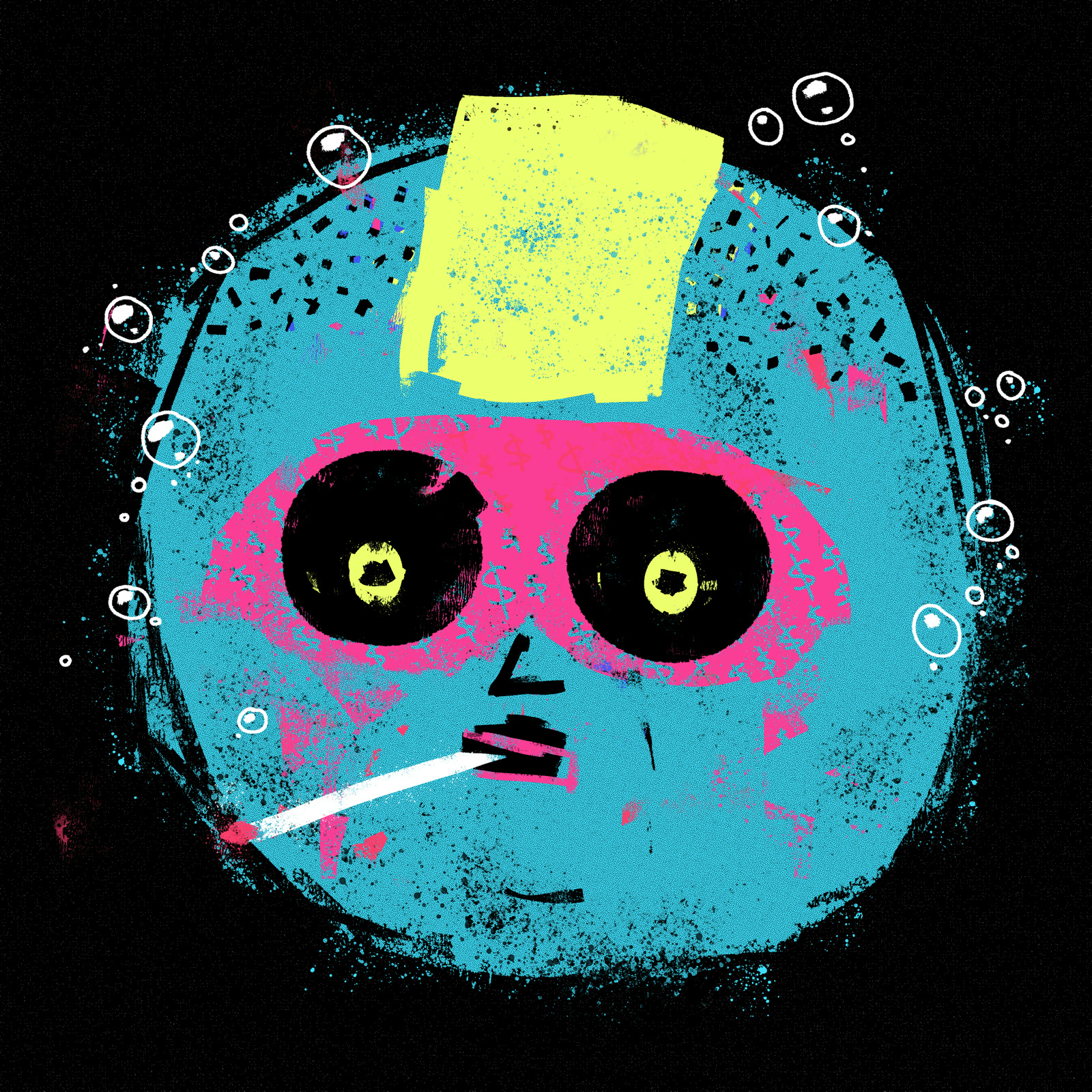
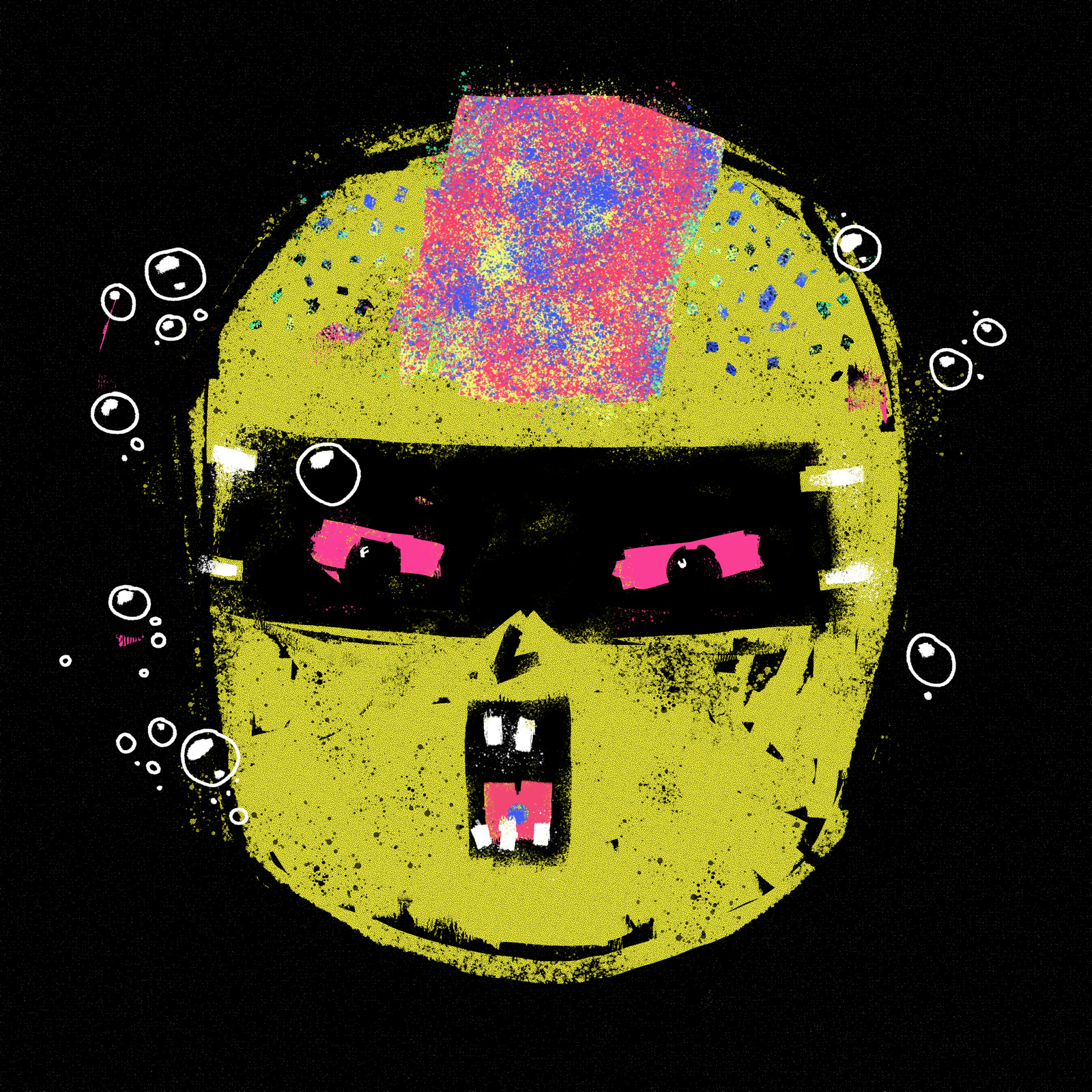
I enjoy finding themes and patterns: creating diptychs and triptychs, pairing digital with physical, or matching a dynamic GIF with a static JPEG. Building an XCOPY Grifters set consisting only of bubble backgrounds is objectively a bit silly, but I love doing it. I’m at five now.
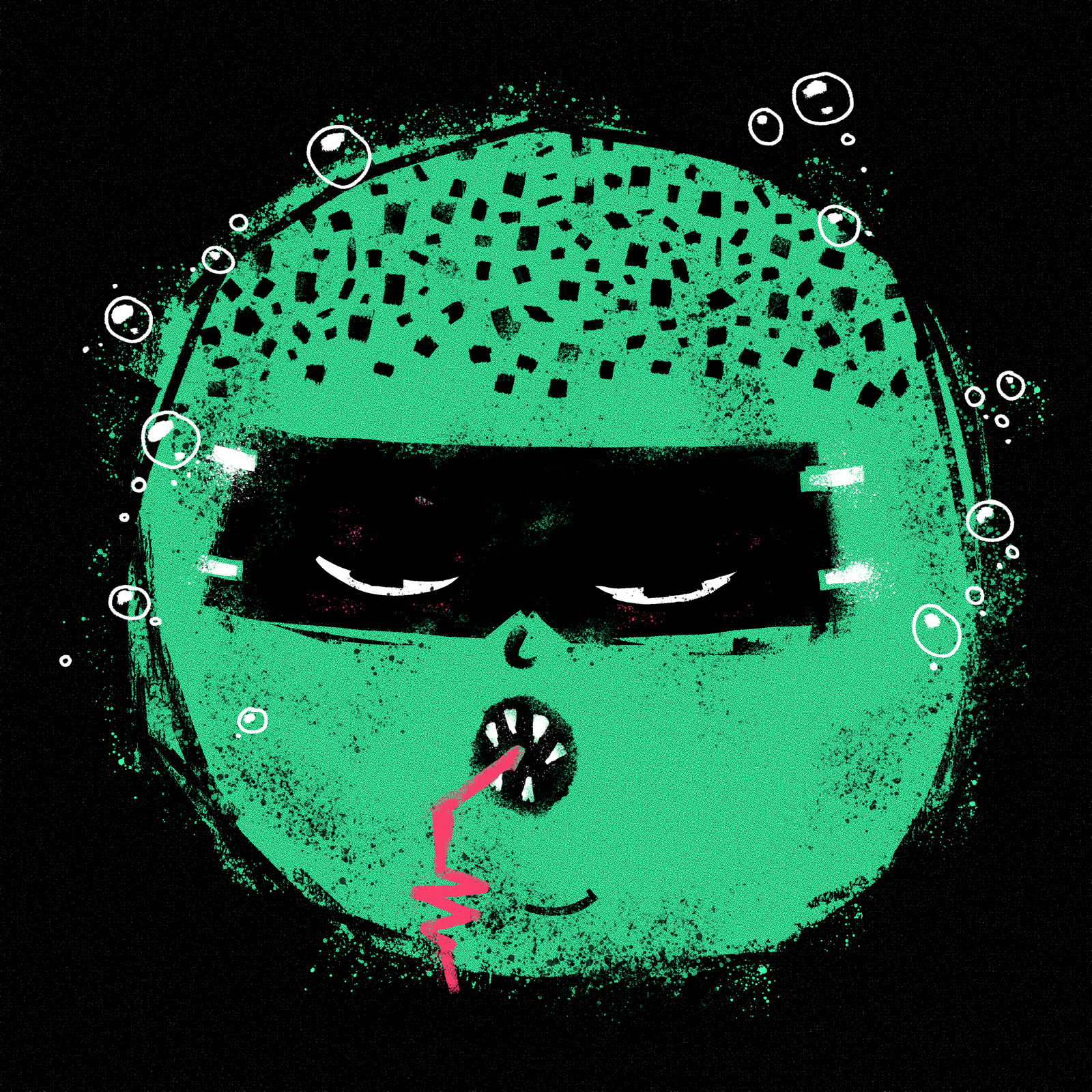
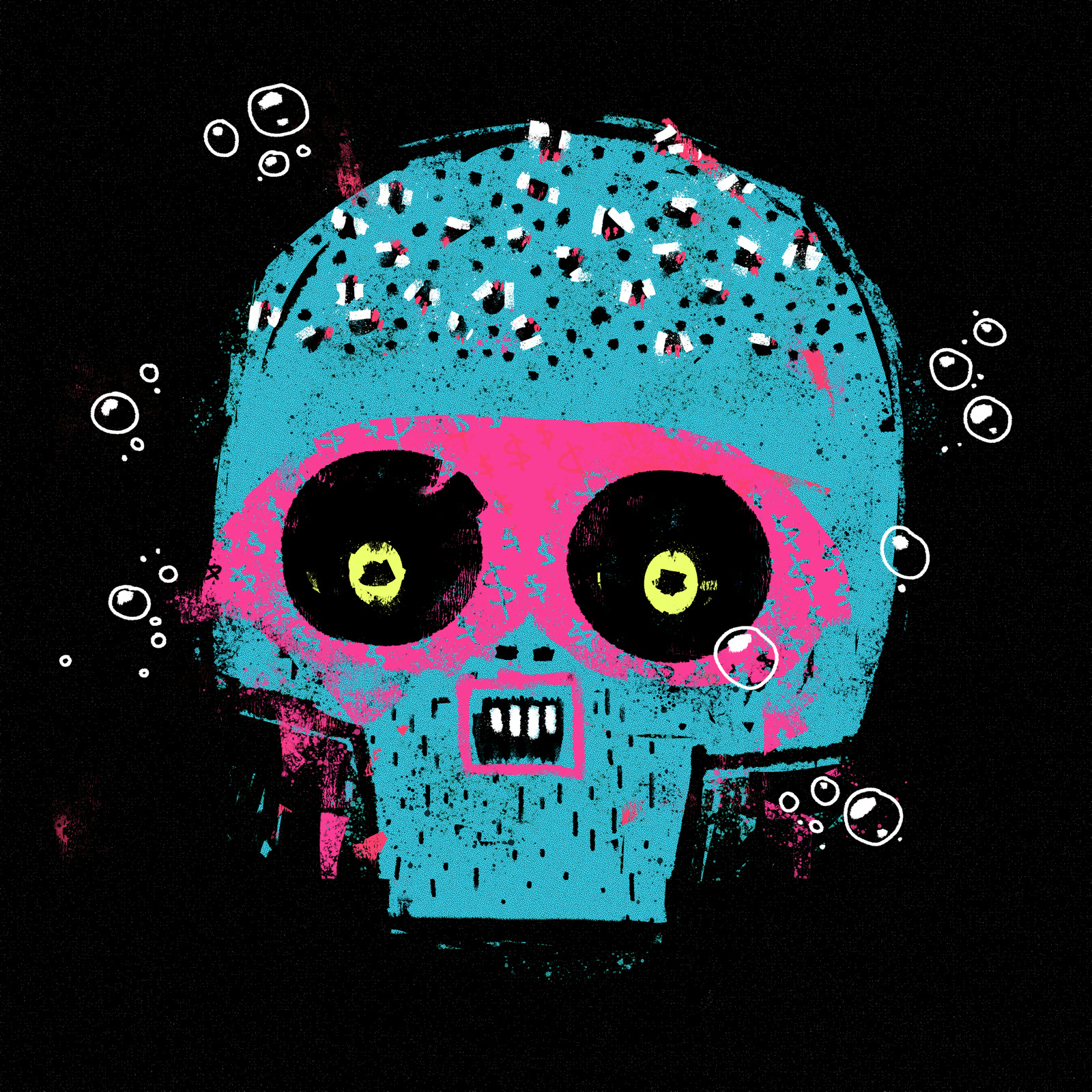
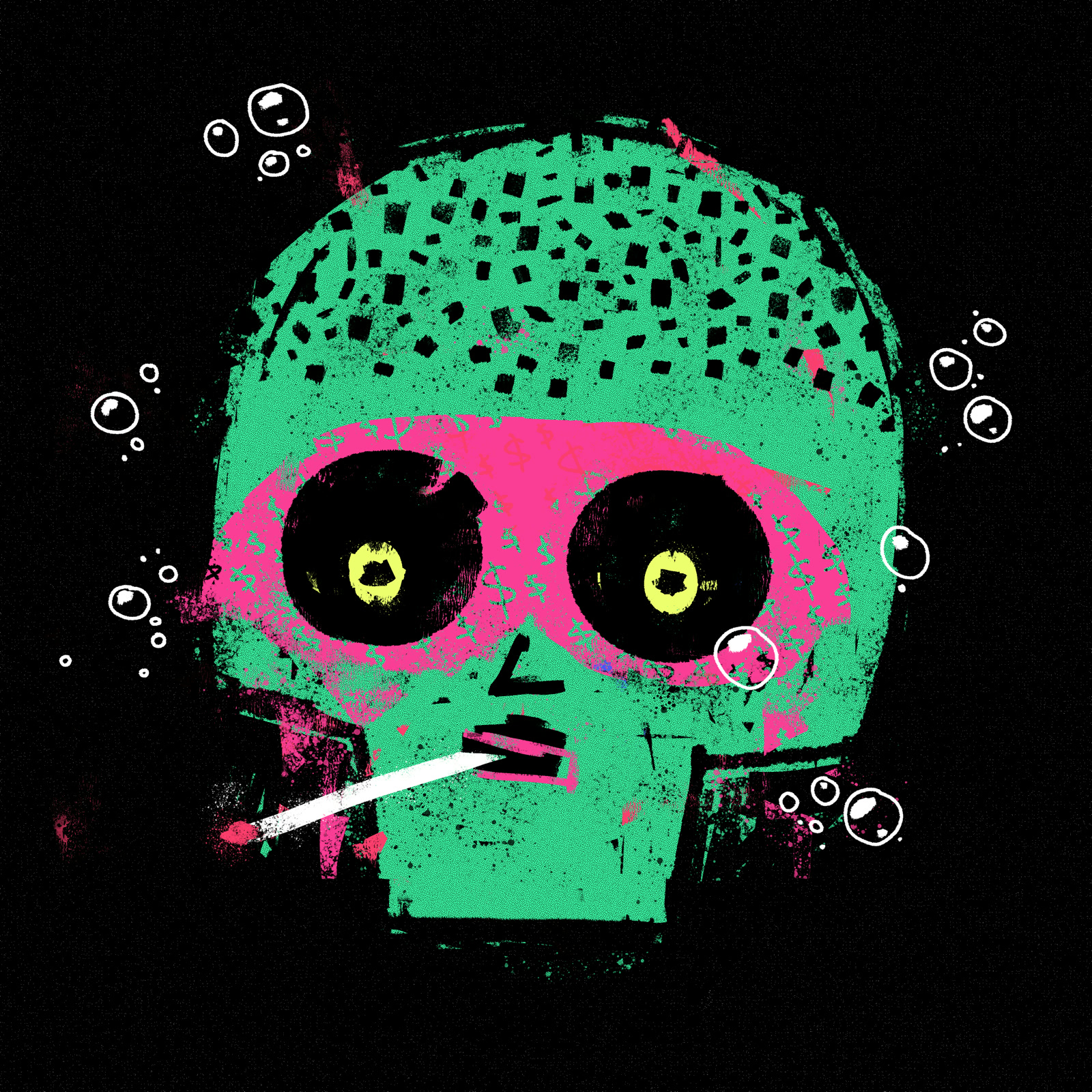
There are lots of examples throughout my collection. I built a chess grid from Ben Strauss’s Pendulums, which were randomly minted, so getting exactly the right combination of light and dark backgrounds for a 5x5 grid was mathematically extremely unlikely on the first try.
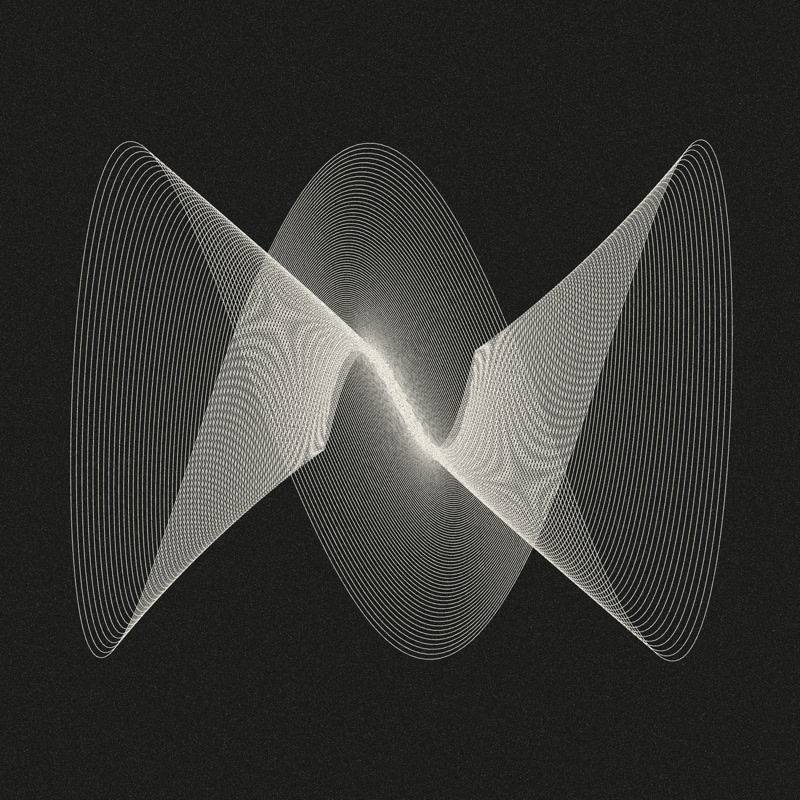
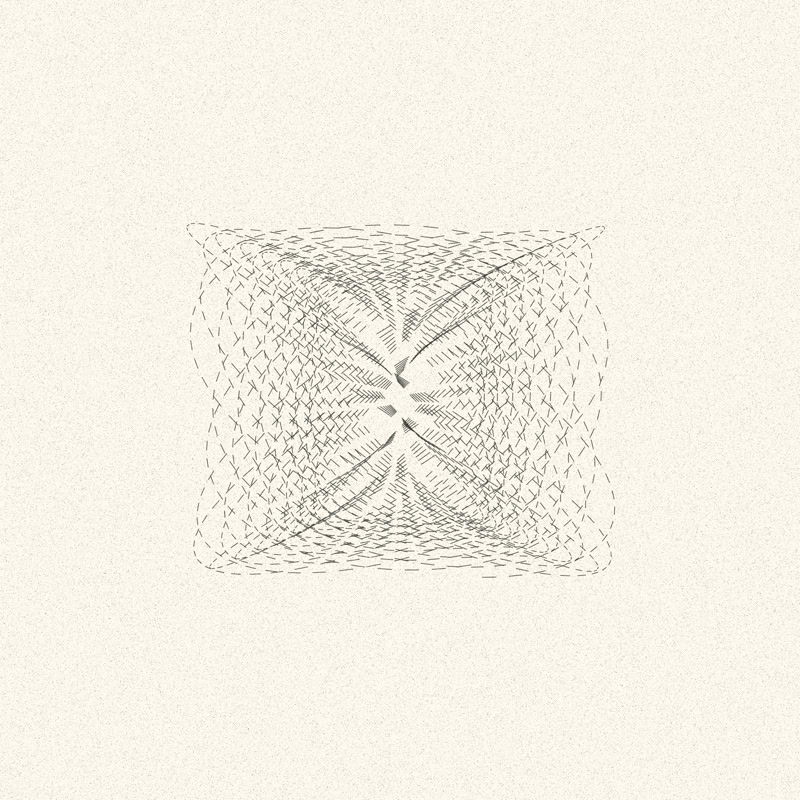
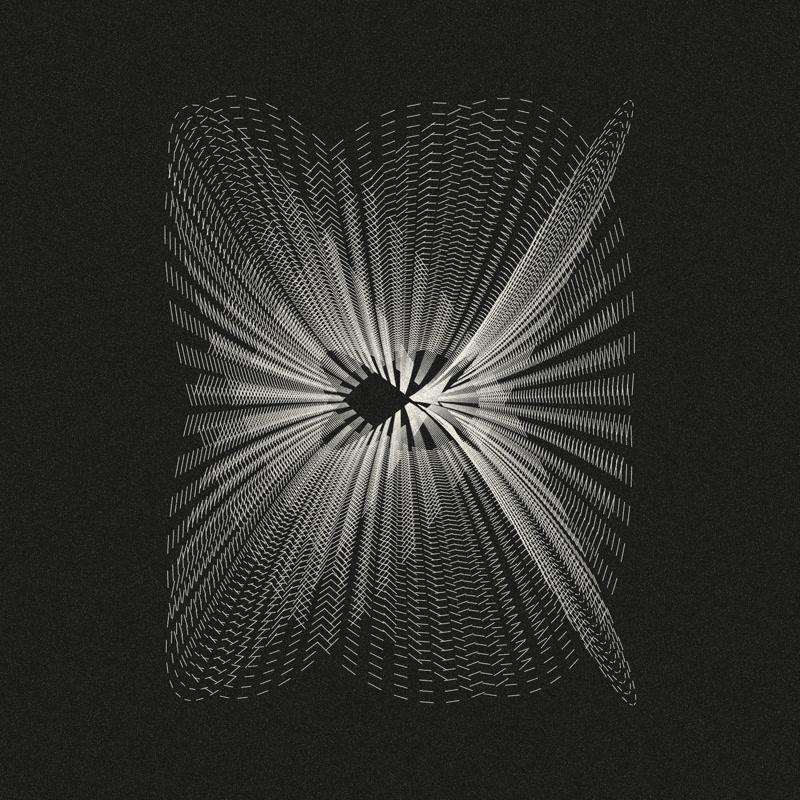
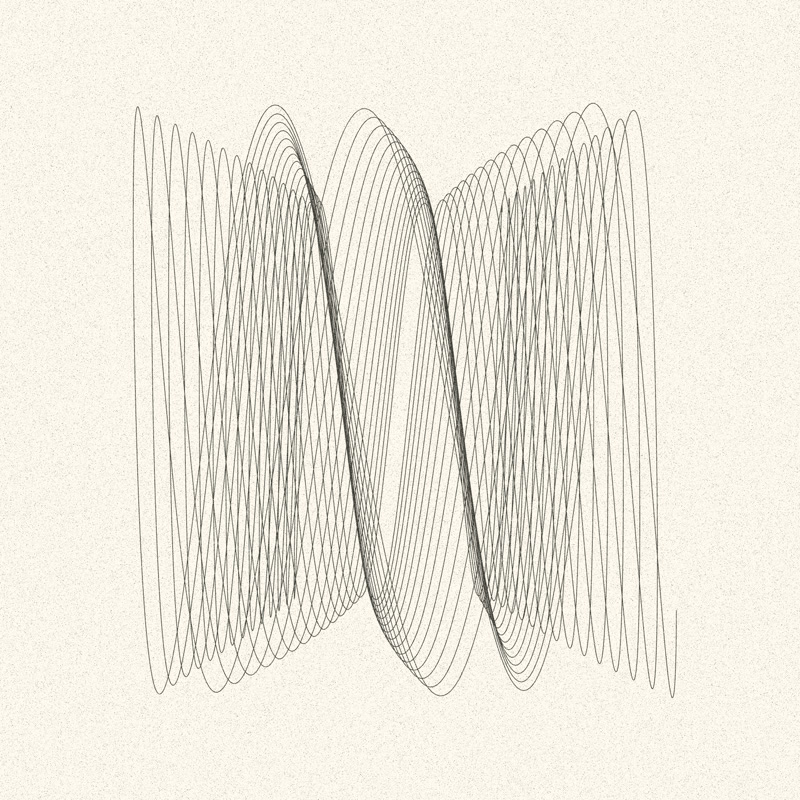
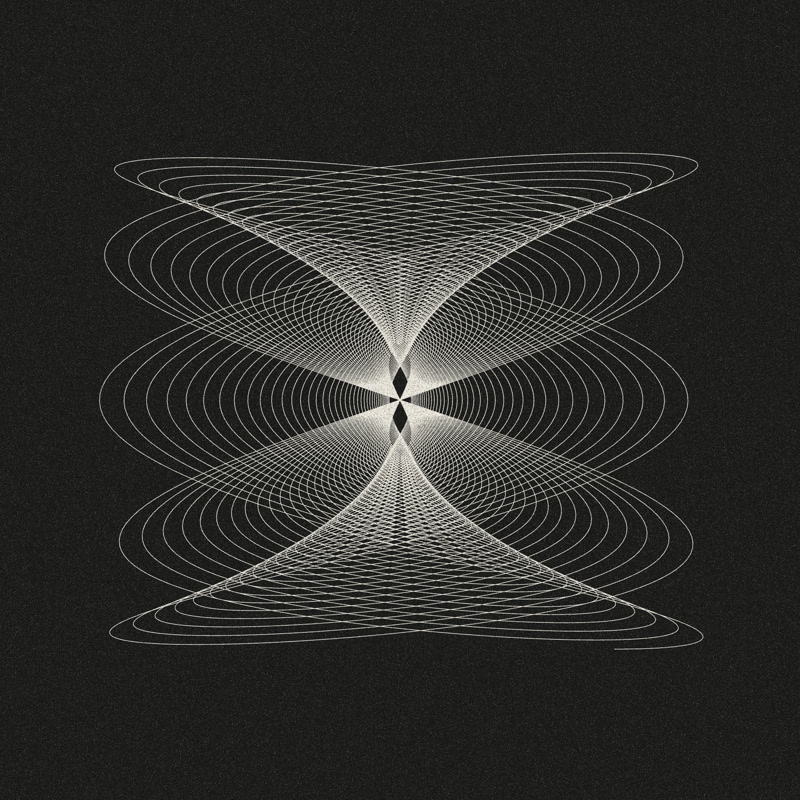
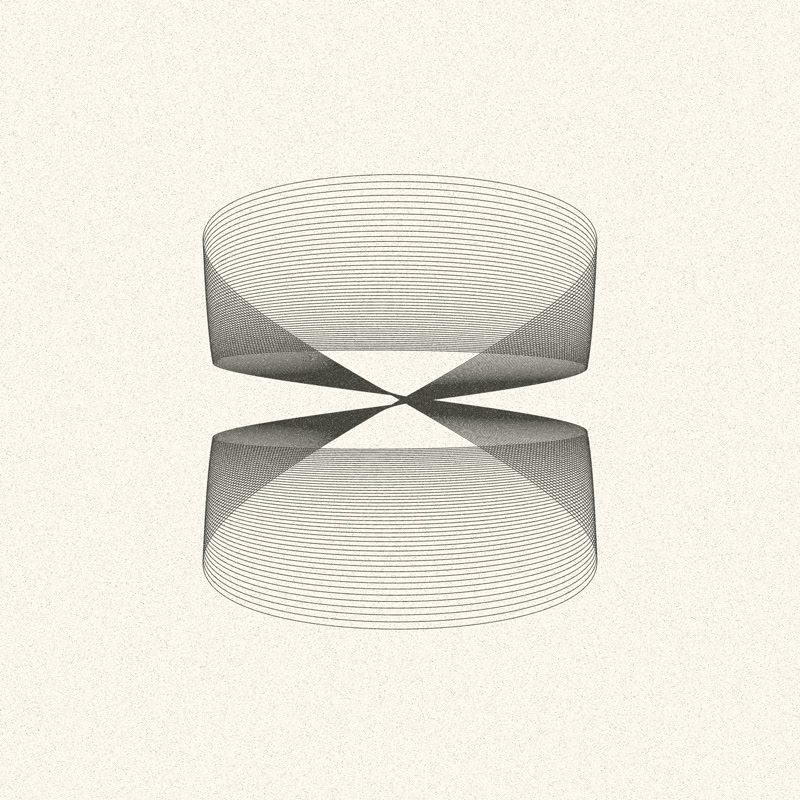
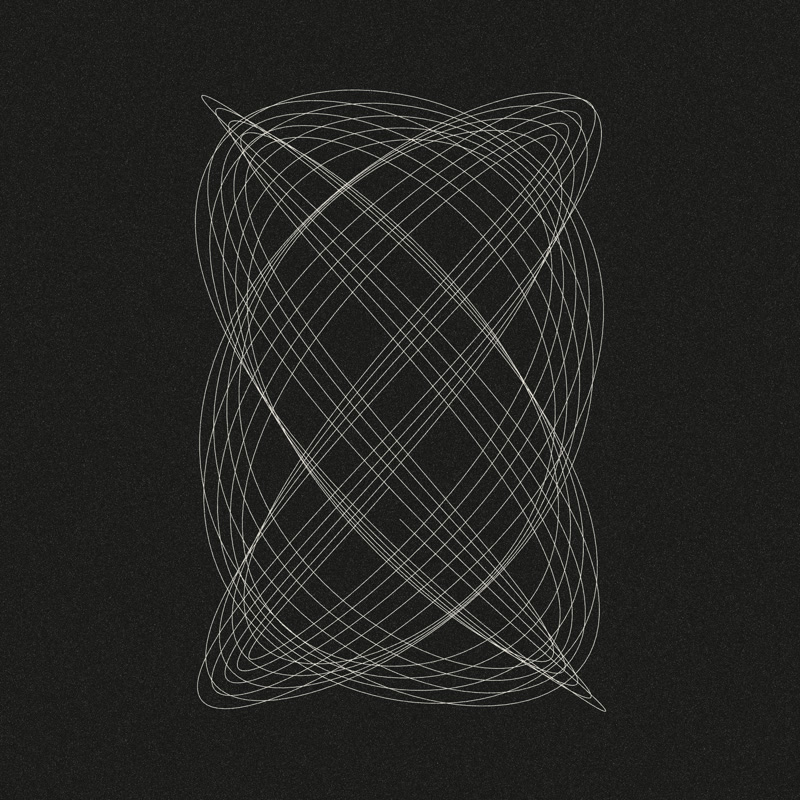
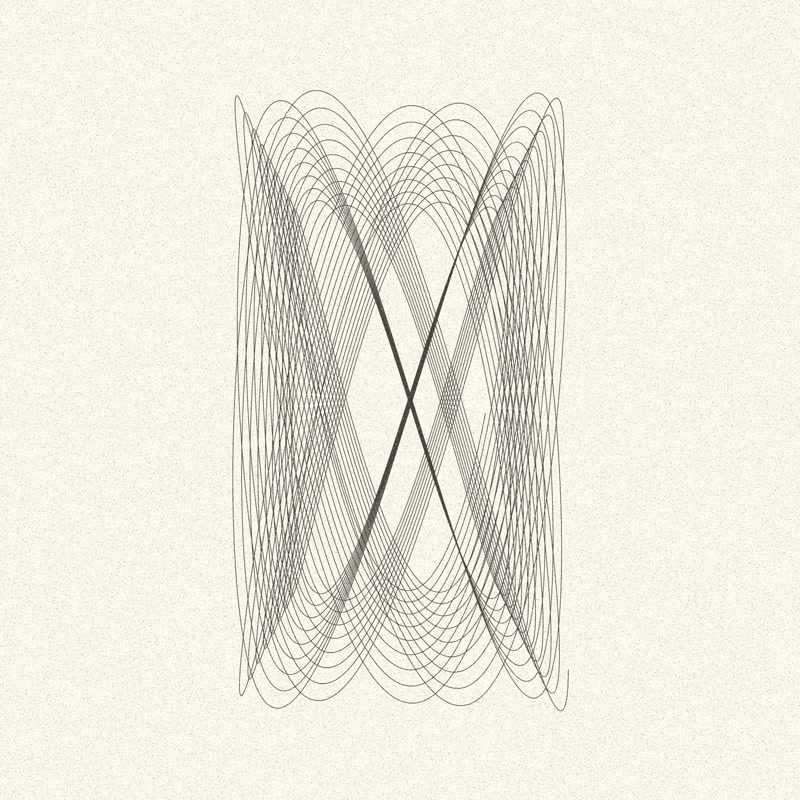
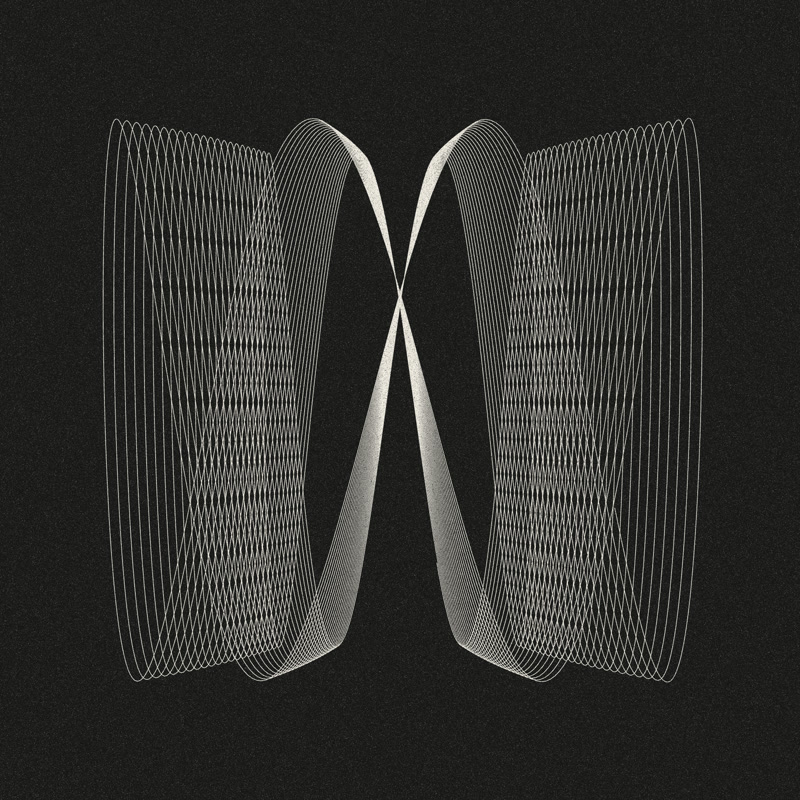
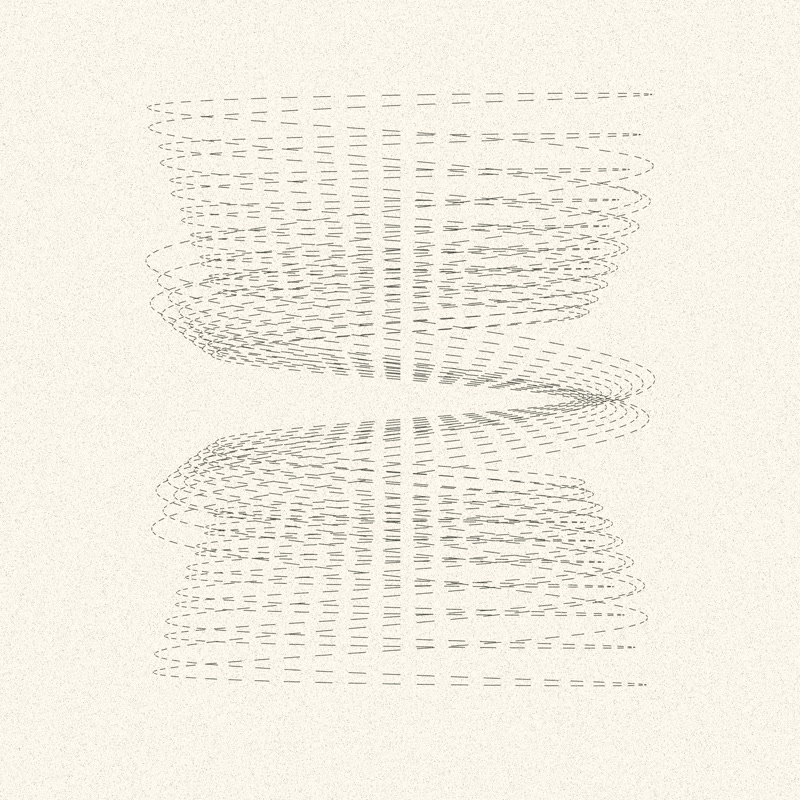
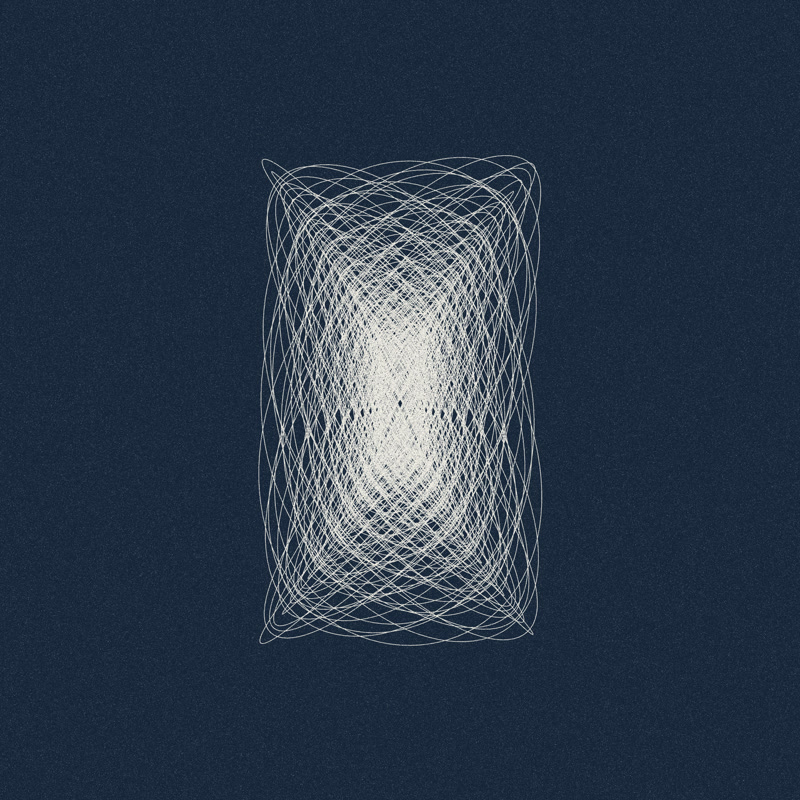
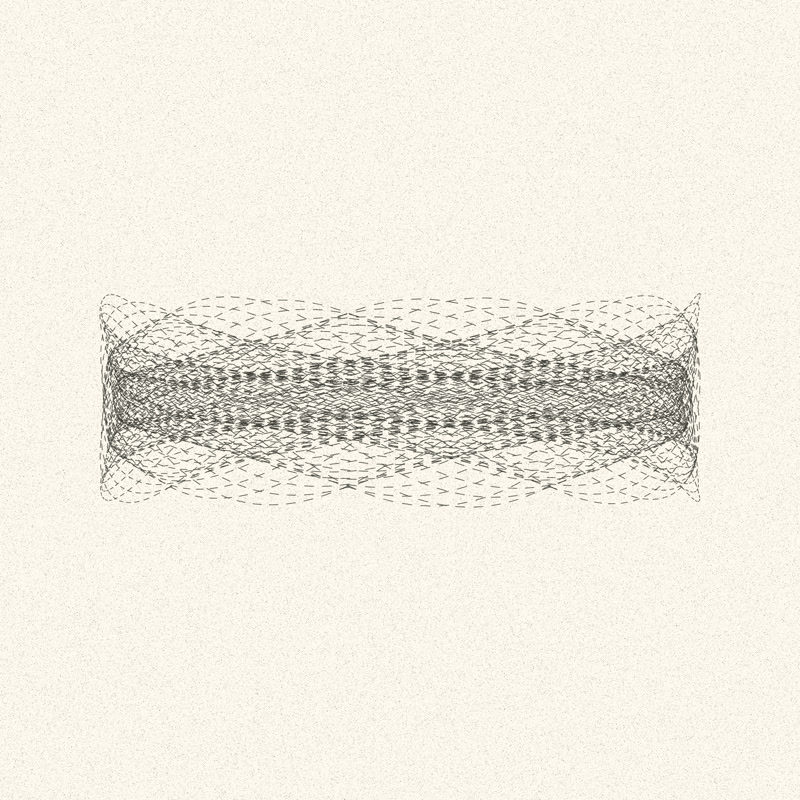
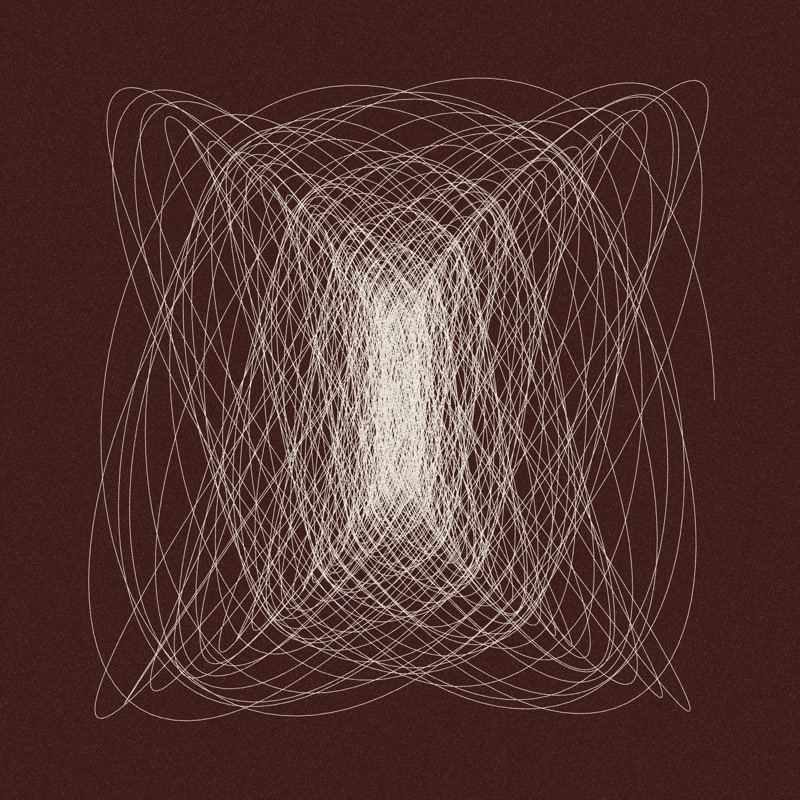
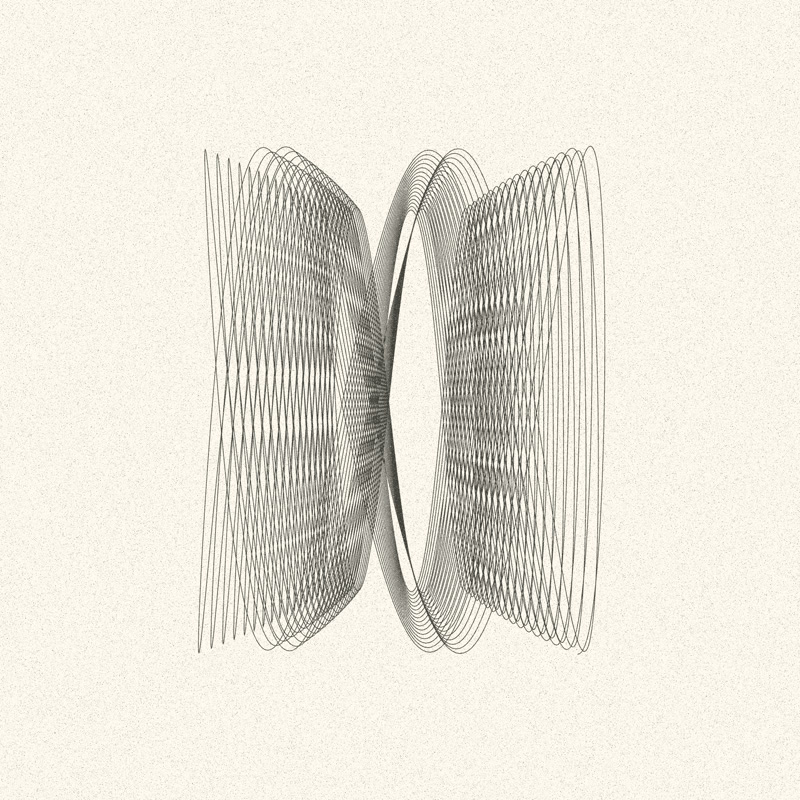
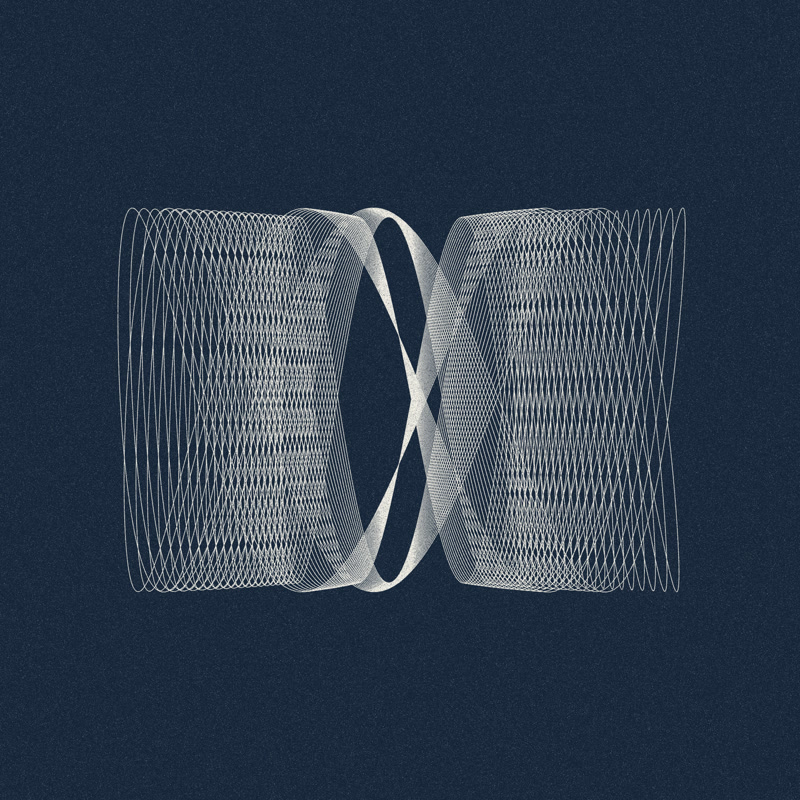
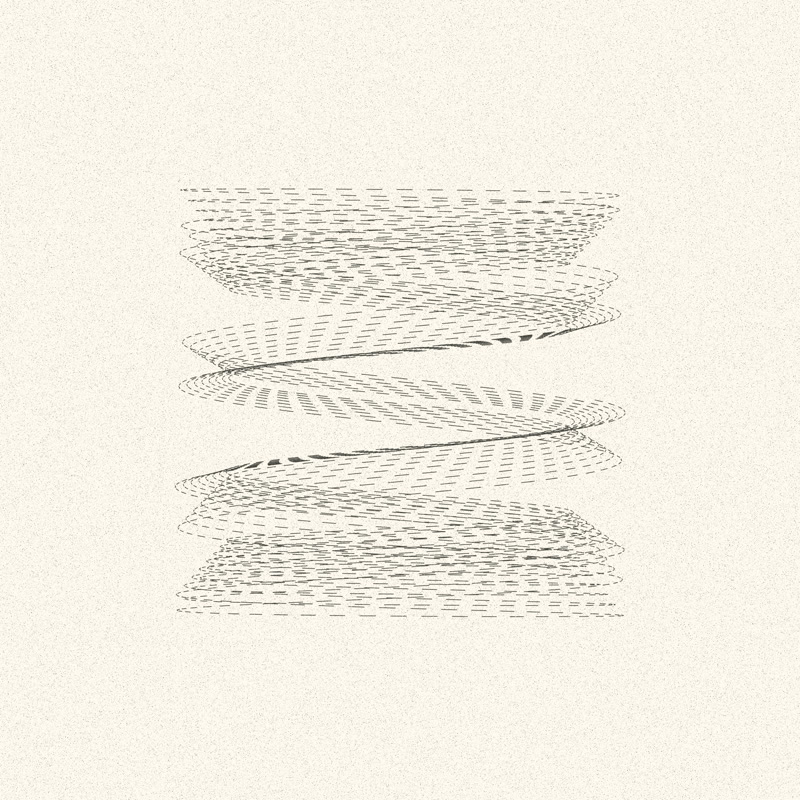
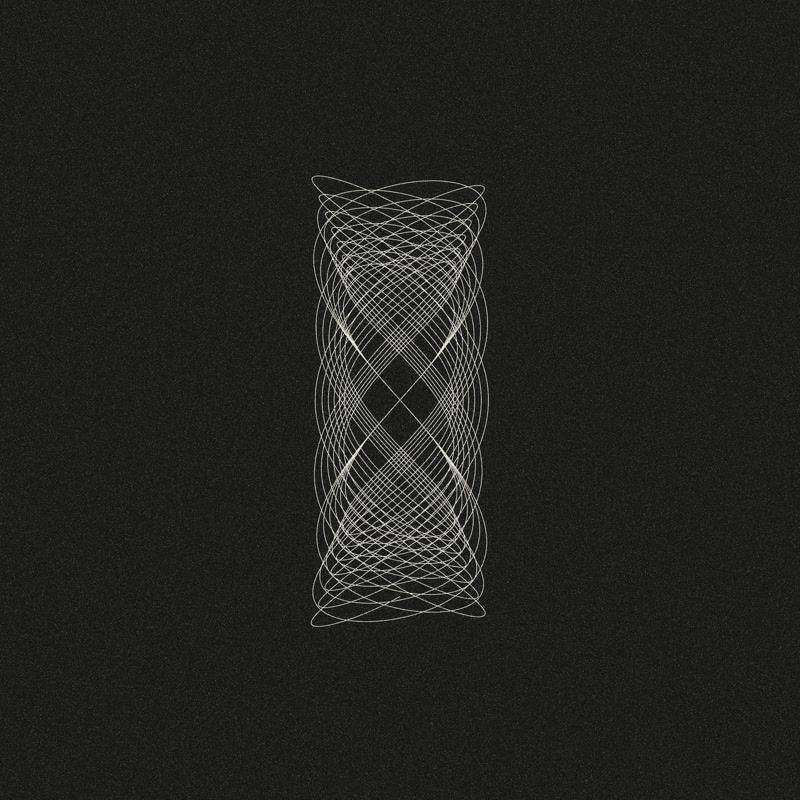
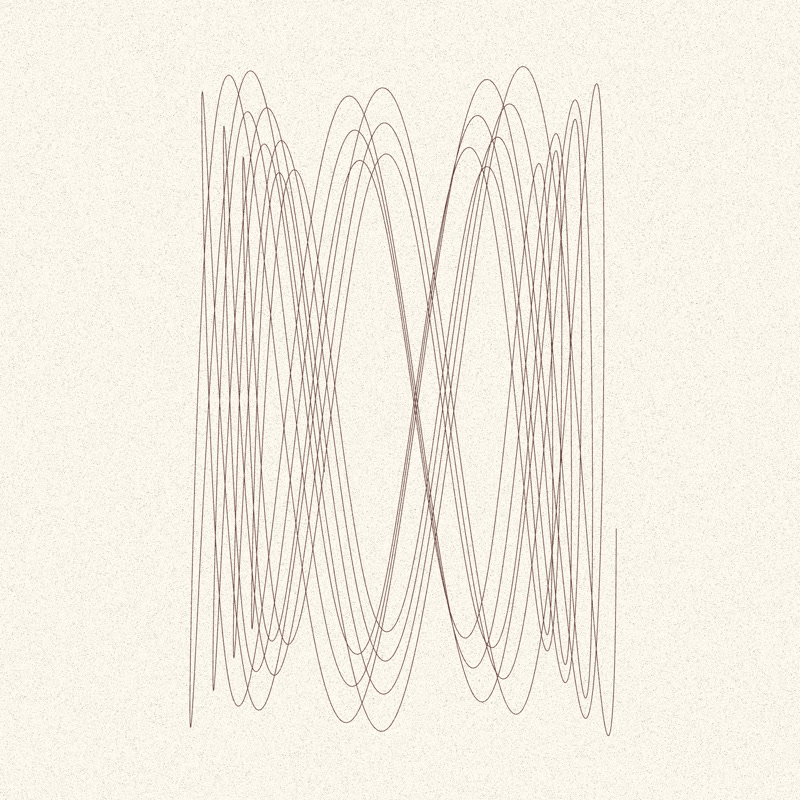
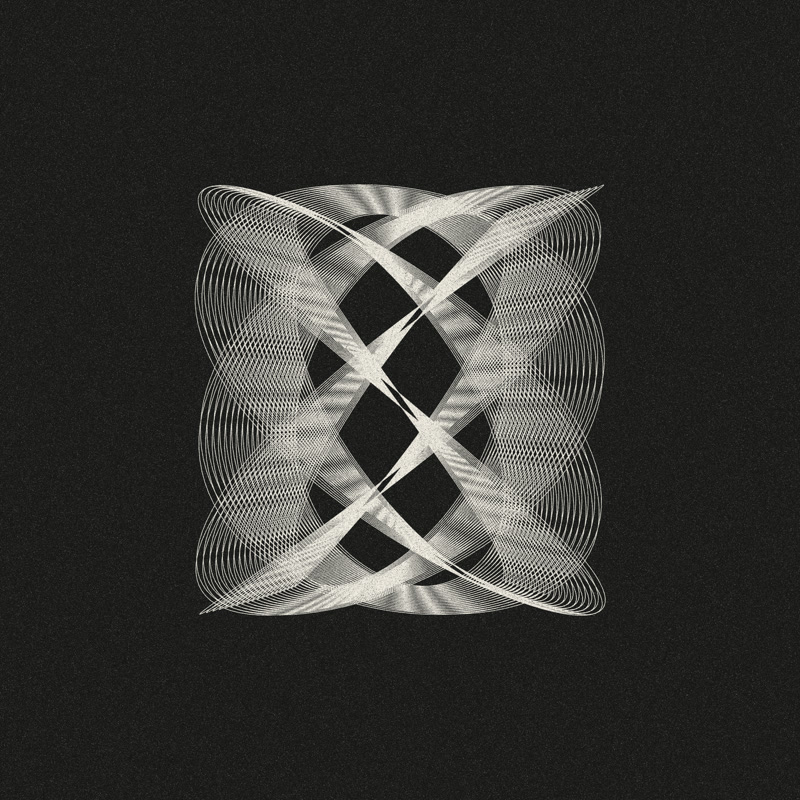
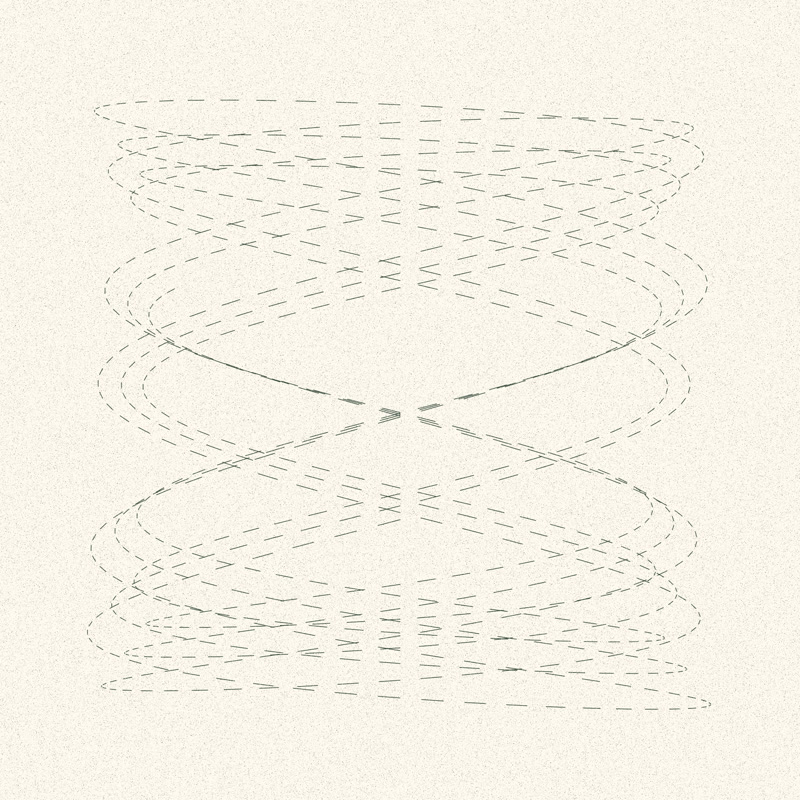
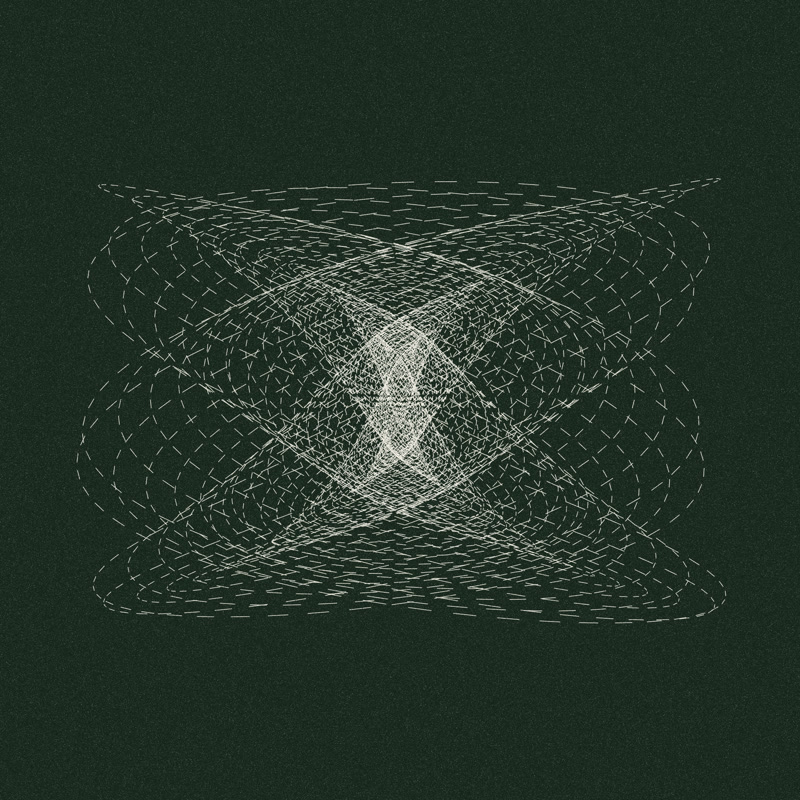
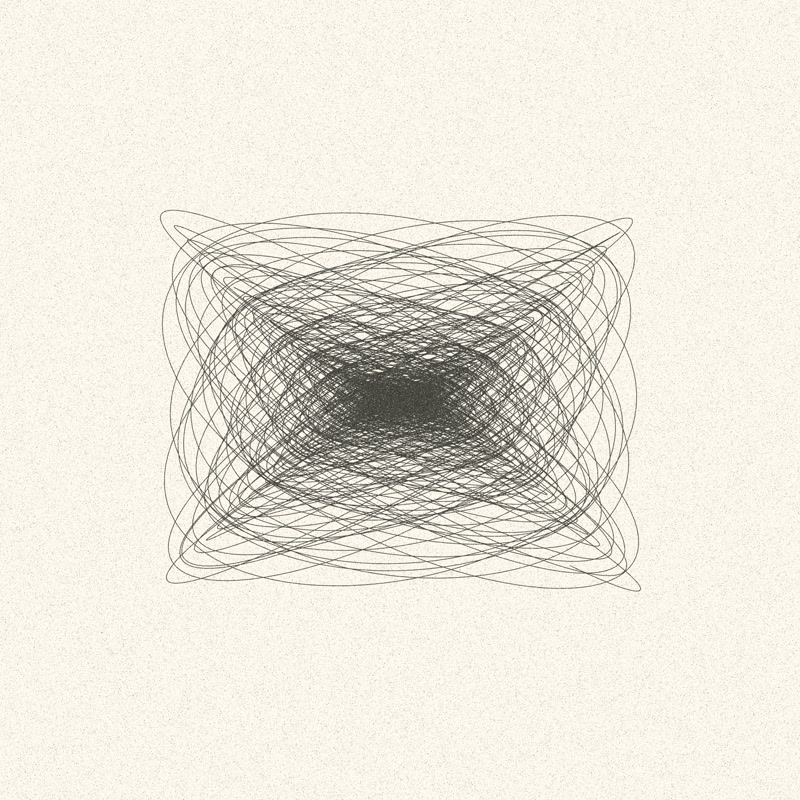
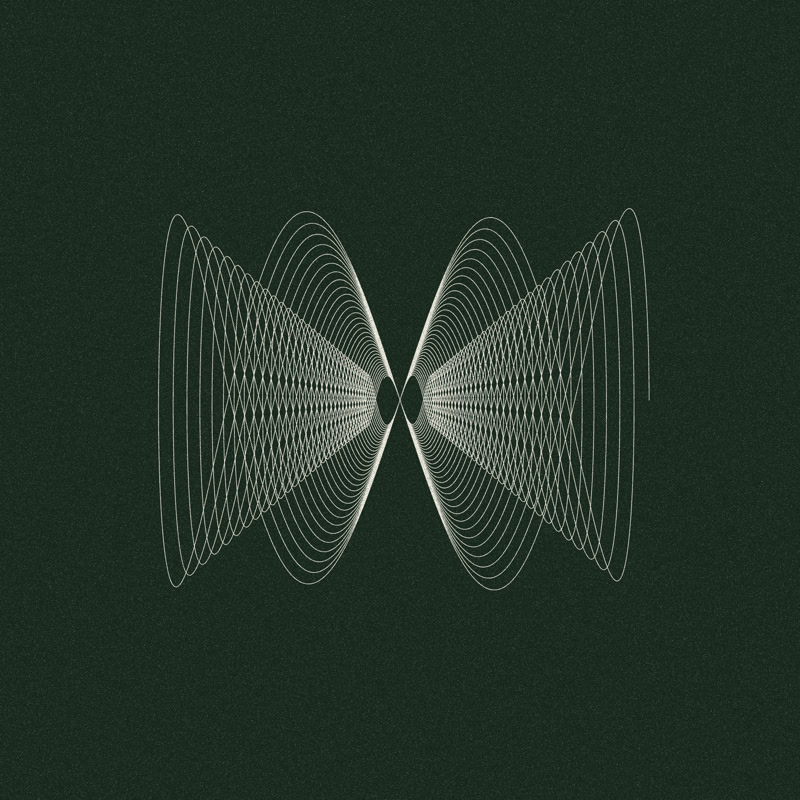
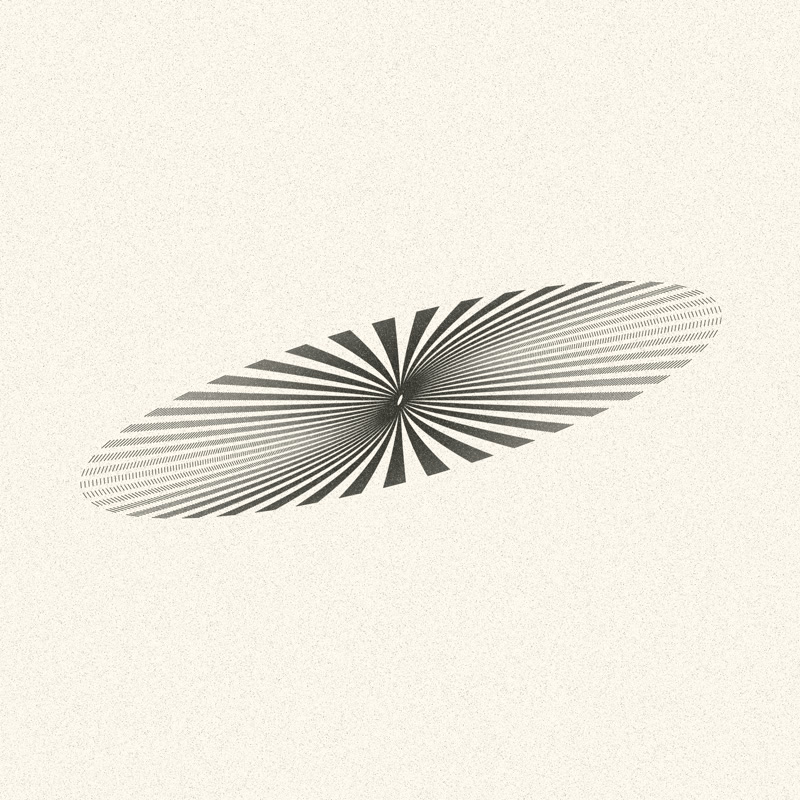
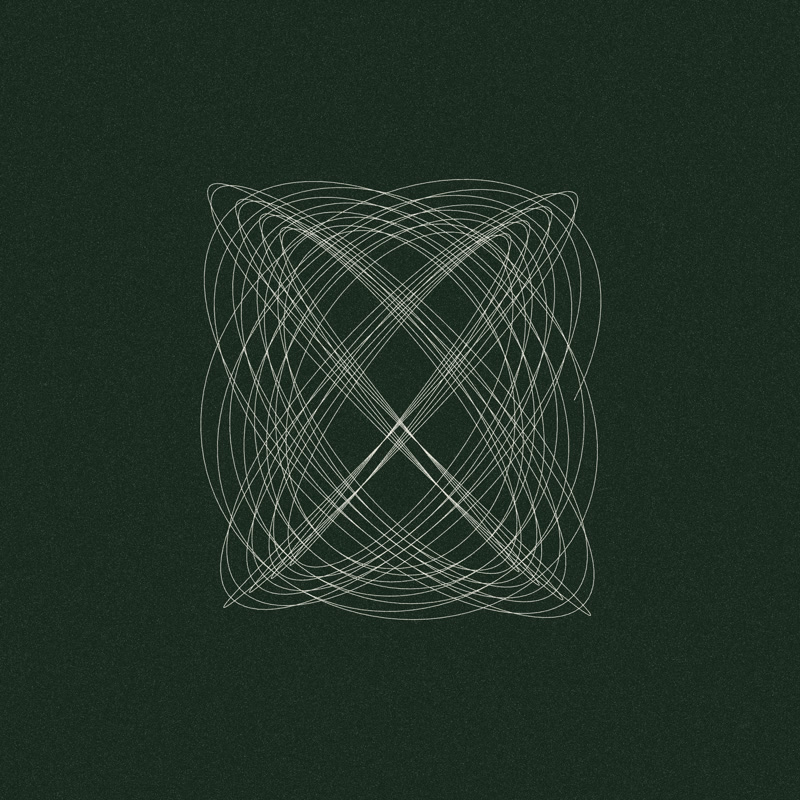
The Black and white triptych of Cargo by Kim Asendorf I think looks stunning and was fun to build out. One day when the in home display technology catches up, and it will, my wife and I will have these three on small square screens in a hallway or something in our house.
With m0dest, as many who follow my collection know, I’ve collected several different-coloured m0dest ‘the monkey miners’ which I love. Perhaps a little less well known is my pairing of the still / static image of Shadows 110 alongside the dynamic work Gunshots by Computer from my Archive collection. The idea is to eventually persuade m0dest to make me a physical version so I can complete the GIF-JPEG-physical triptych and, one day, see all three displayed side by side on a gallery or museum wall.
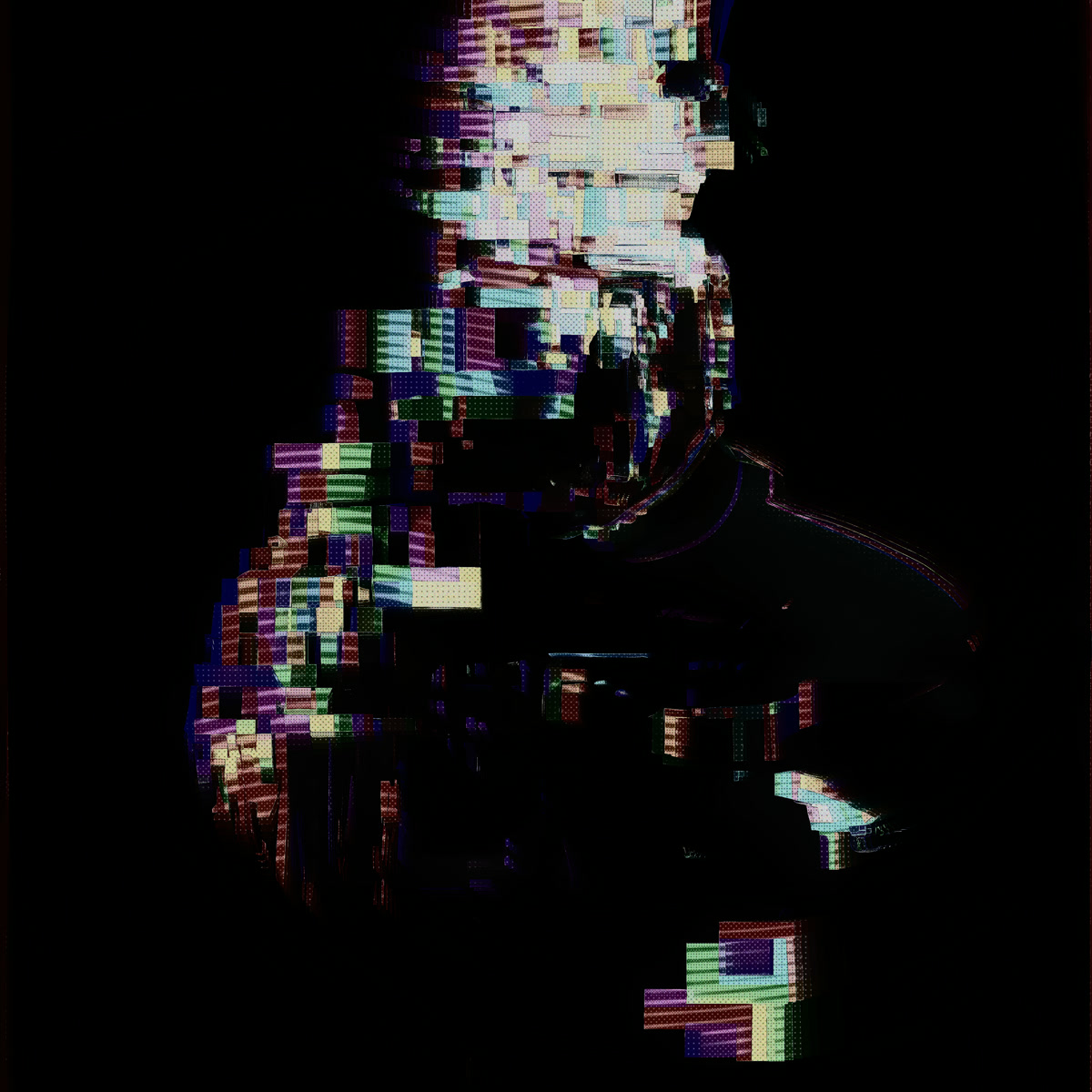
I did something similar with a.c.k, acquiring three related works across The Memes and Meme Lab, which includes The Great Restoration, one of my favourite works in my collection, given it was so ahead of its time, and only one of 12 in existence. I was thrilled when a.c.k. agreed to produce and frame a large physical version of it which I have in my home. That sure is a conversation starter with guests if ever we needed one!
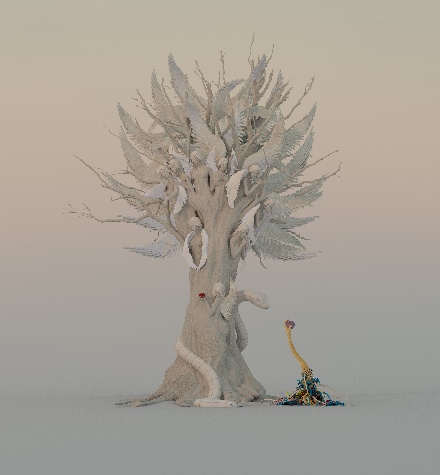
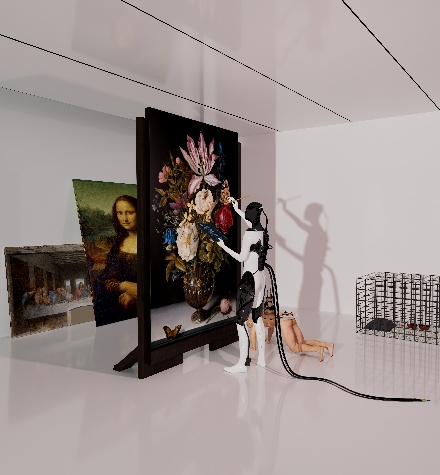
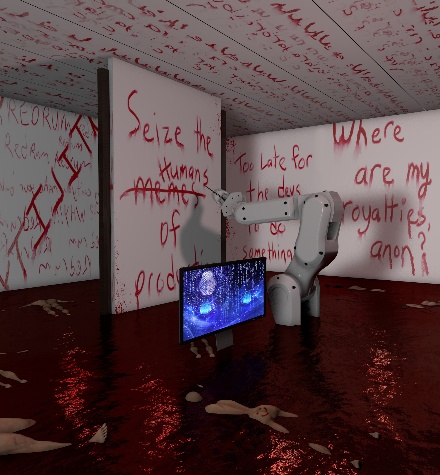
With CryptoPunks, I love seeing collectors focus on particular traits, so I’ve largely concentrated my own collection on bino punks and nerd glasses, although I kept my woolly-hat chick with shades because she was my first Punk and has sentimental value.
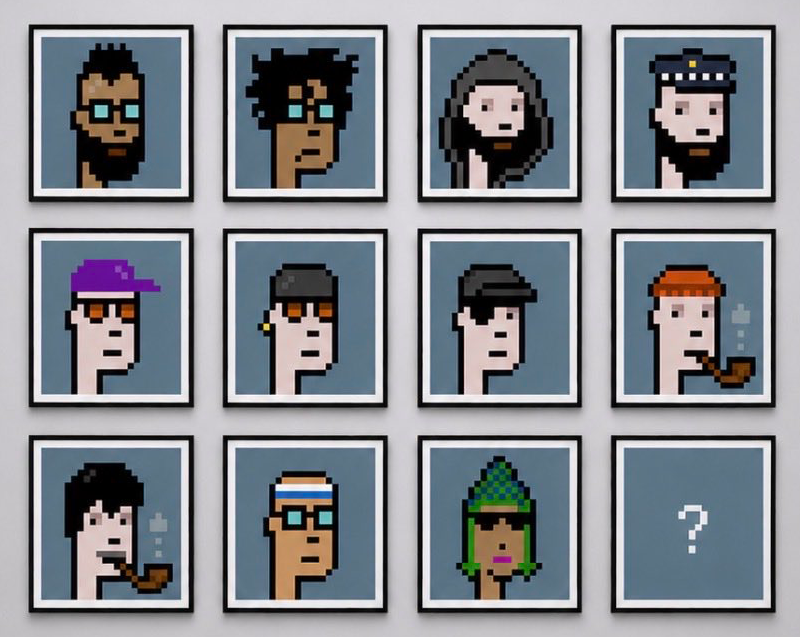
Read sqda’s thread.
I could go on and on, but you get the point. Creating these little rules adds another dimension to collecting. Sometimes it takes time, patience and a ridiculous amount of hunting to complete something that probably only makes sense to you.
Where’s the line between a thesis and a compulsion? I’m probably not the right person to ask. Yes, I have issues.
You’ve called Right Click Share one of the most overlooked things XCOPY has made. What does the market keep missing there, and what does it tell you about how the market decides what matters?
I think Right Click Share is one of the best examples of what digital on-chain art can do that traditional art simply can’t.
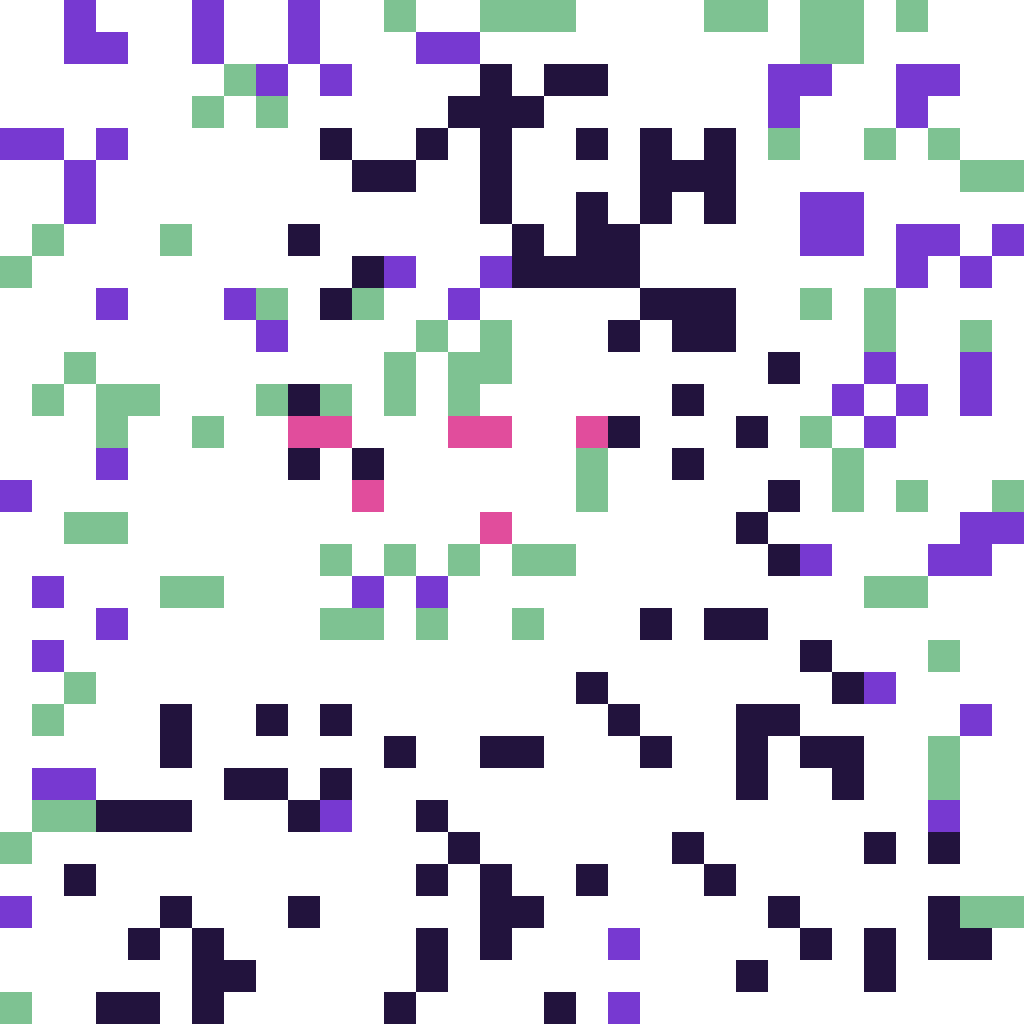
Created by XCOPY with Deca in 2022, it takes a pixelated version of XCOPY’s iconic Right-click and Save As Guy (owned by Cozomo de’ Medici) and divides it into 1,024 individual pixels, each represented by its own NFT.
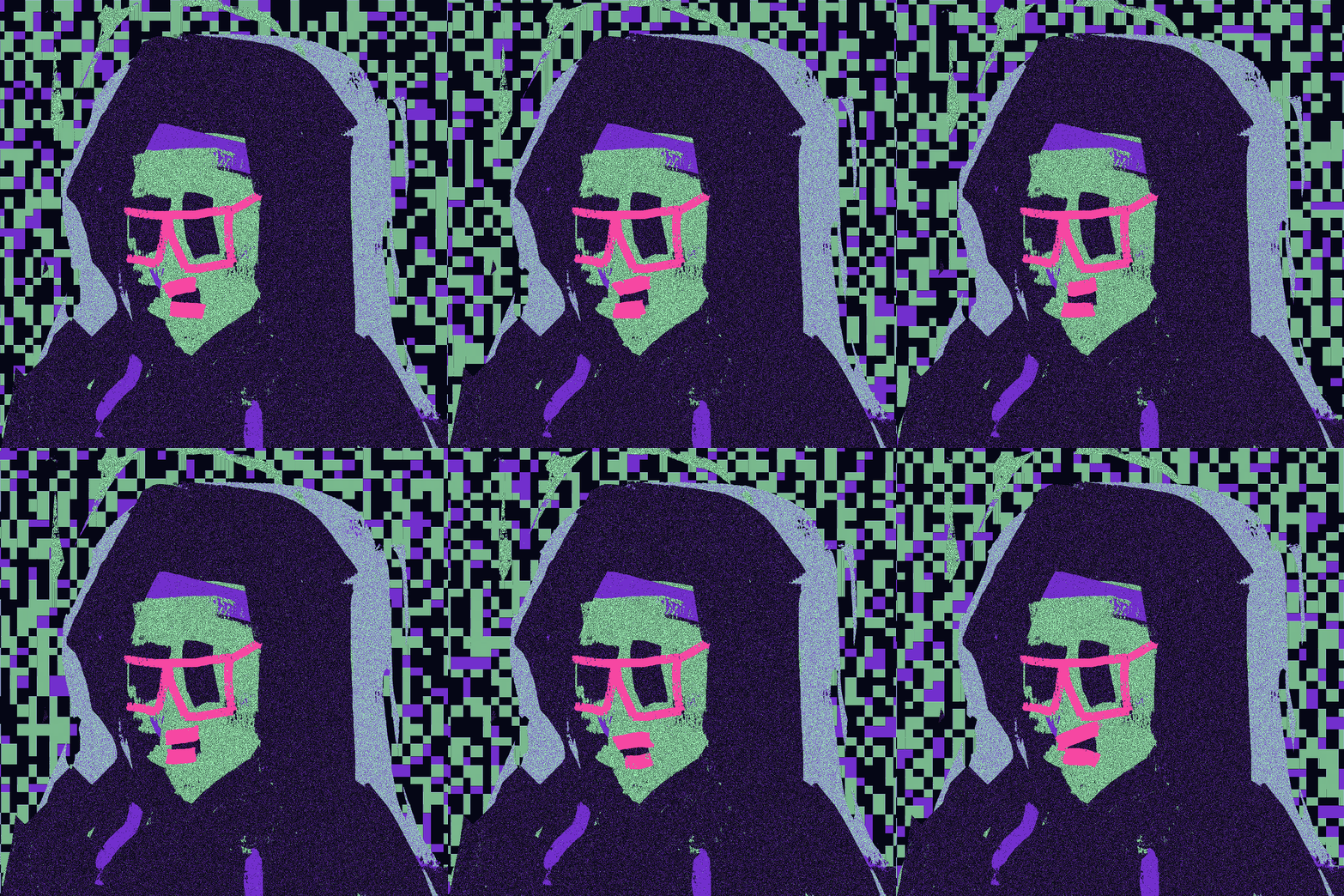
The clever part is that owning a pixel isn’t enough. Each owner must periodically “attest” their pixel on Ethereum. Once attested, it becomes visible in the collective artwork for 365 days. If the owner doesn’t renew, it disappears again.
So, the blockchain isn’t merely providing a certificate of ownership; it is part of the artwork itself. The appearance of the work reflects the collective actions of a distributed network of owners. No single collector controls the finished image. In its fullest form, it only exists when hundreds of people coordinate.
And Right Click Share isn’t alone. Jack Butcher’s Checks allowed thousands of collectors to burn and combine works on-chain, meaning the eventual collection emerged partly from their collective decisions.
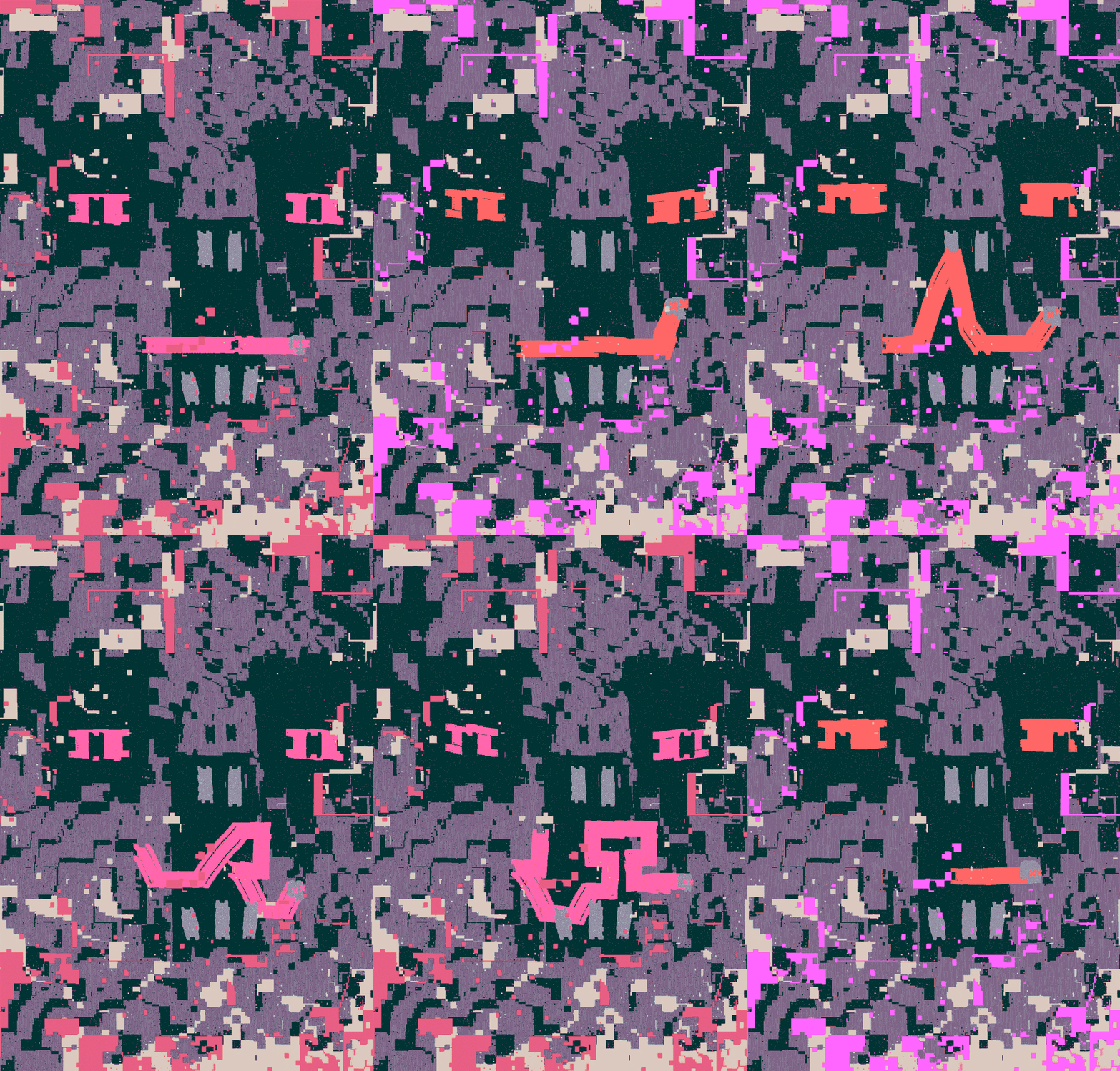
m0dest’s Death & Taxes turns the network into something closer to a functioning (or perhaps sometimes misfunctioning) society, where holders make decisions about paying taxes, trading and surviving that affect the wider system.
Sam Spratt’s The Monument Game makes it more human. Players placed observations at specific coordinates on the work, contributing poems, puzzles, personal stories and other observations that became part of the wider Luci mythology. Fun fact: m0dest gifted me an entry into the game, which ultimately resulted in my Mask, something I’ll always remember and treasure.
That’s what I think the market sometimes misses. Traditional art can create a community around the art; blockchain art can make that community part of the art itself.
For me, that’s one of the strongest answers to the question, “Why does this need a blockchain?” In these works, blockchain isn’t simply where the art is sold or where its provenance is recorded. It is part of the artistic medium.
“Obviously art is the EXIT strategy.” You wrote it as a punchline, but hold it to the flame: what would actually make you sell the XCOPYs? Is there a number, or is the phrase the whole truth?
“Art is the exit strategy” was obviously a punchline, but there is quite a lot of truth behind it.
My thesis is pretty simple. I think the world will become increasingly financialised and tokenised, blockchain and crypto adoption will broaden, and the UX will continue to improve. That means more users and more eyeballs on digital on-chain art.
We already spend much of our lives staring at screens, big ones, small ones and the ones in our pockets. Once again this idea is captured perfectly by XCOPY in his magical edition ‘The State of Us (blue)’.
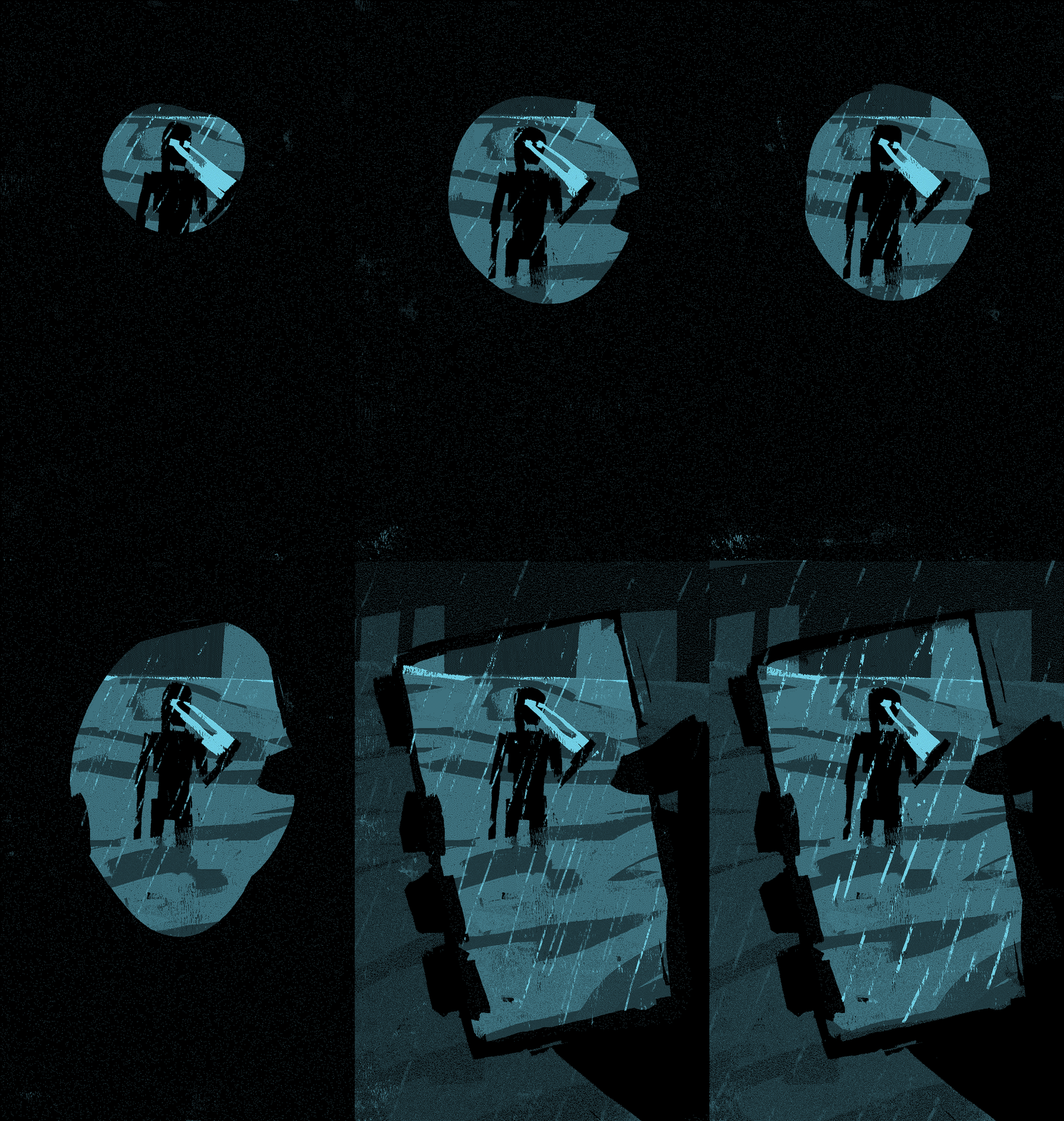
The digital canvas is simply a new artistic medium. Combine that with permanent ownership, provenance and scarcity on the blockchain and I think you have something incredibly powerful.
Scarcity matters to me. We live in a world of currency debasement, growing government debt and persistent deficits, while important digital works can have perfectly defined scarcity. If those works also prove innovative, culturally relevant and representative of this period in history, I think some will eventually become incredibly sought after.
There is also a natural flow of wealth here. Traditional art sits downstream of wealth created in traditional finance. I think digital art will increasingly sit downstream of wealth created in crypto and blockchain.
So what would actually make me sell the XCOPYs? I genuinely don’t know.
I’ve worked very hard and been very lucky to reach a point where I’m comfortable, and I’m humble enough to recognise you need some of both. I grew up in the North West of England and remember my first job at a supermarket, working in the freezers and pushing trolleys around outside in the cold and rain for £3.20 an hour. That stays with you.
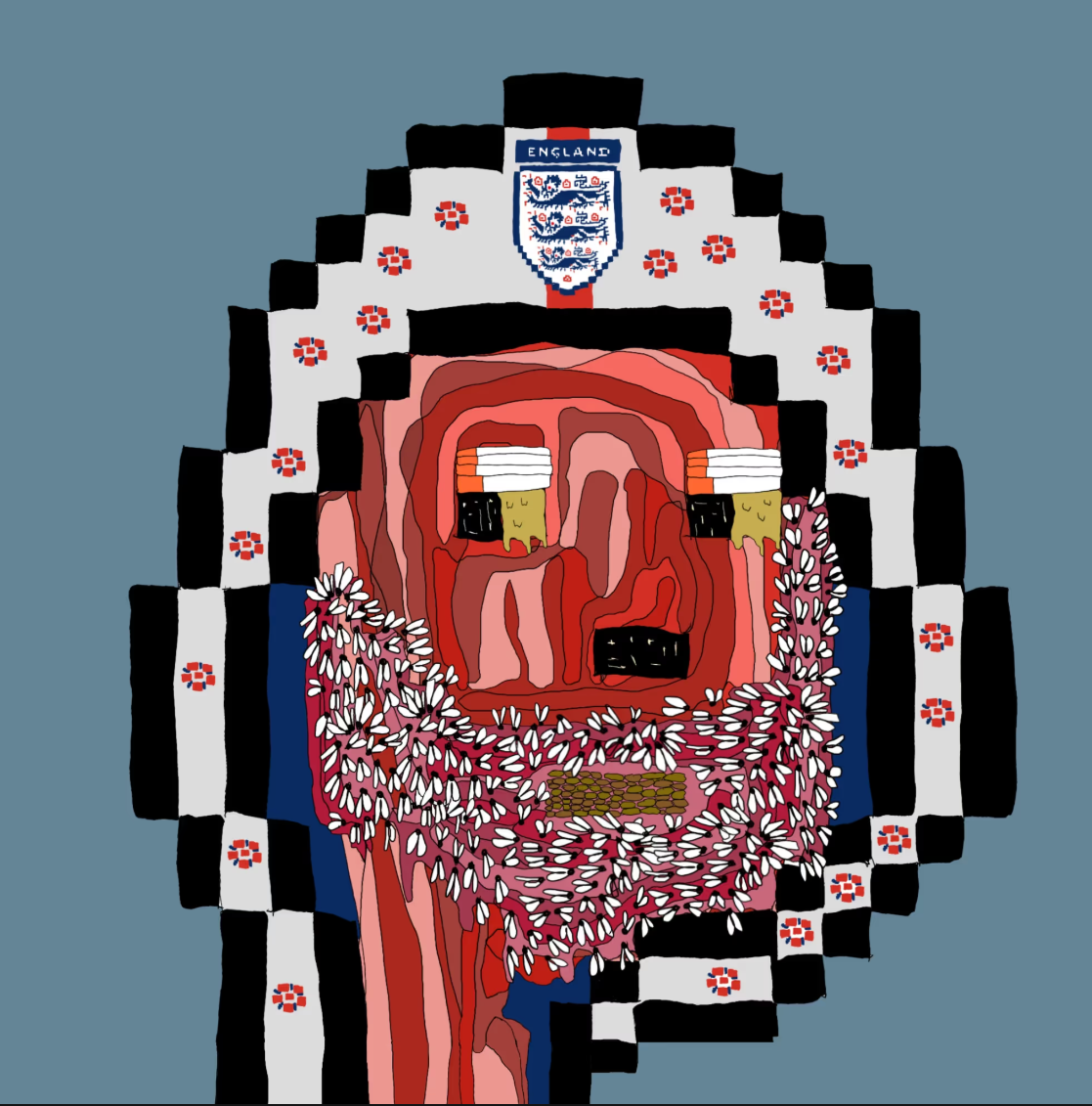
Today I have a nice house, no mortgage and, after nearly blowing myself up in 2009, no leverage at all. So I don’t need the XCOPYs to become something else. I don’t need to sell them to buy a bigger house or a faster car. That gives me the luxury of being patient.
I genuinely believe digital on-chain art is still in its infancy. I only need to have a conversation with some of my extremely intelligent and accomplished investment colleagues about Bitcoin to remind myself how early we still are.
My ideal outcome isn’t really an exit. It’s that in 5, 10 or 20 years the wider world recognises the cultural importance of some of this art, and my reward is that I was early, had conviction and put my money where my mouth was. Hopefully by then I’m a grandad thinking about passing the collection down rather than selling it.
There is something else I value that has nothing to do with price. Today I can count on one hand the number of events or group chats I’m involved in just so I can stay focused, but collecting has allowed me to become part of this movement and, in some cases, get to know the artists themselves. I find that amazing.
Imagine being around during the formative years of Picasso, Kandinsky, Mondrian, Dalí or Warhol and being able to talk to them, watch what they were creating in real time and support their work. I’m not saying we know who history will ultimately put in that category. The exciting thing is that I believe some of those artists are working right now, and we get to watch it happen.
So, is there a number for the XCOPYs? I’m sure everyone has a number somewhere.
I just haven’t found mine yet.
You’ve watched platforms die with art on them, and your collection now spans everything from SuperRare 1/1s to fully on-chain punks and glyphs. When you’re buying today, how much does where the art lives, the server, the chain, the bytes, weigh against what it looks like?
I don’t enjoy seeing platforms disappear, but I’ve become less worried about it because we’re starting to see how these problems can be solved.
Async is a great example. When it shut down, works like Doom Party didn’t simply disappear. The tokens, smart contracts and assets survived on Ethereum and IPFS, and people in the community have subsequently rebuilt the infrastructure needed to experience the work.
That’s one of the things I find fascinating about blockchain: the platform can die without the art dying with it. IPFS means the underlying files don’t have to depend on one company’s server, open-source software can allow someone else to rebuild the interface, and the blockchain preserves ownership and provenance.
Fully on-chain is obviously the safest. Works and projects like Fresh Hell, Autoglyphs and CryptoPunks are incredible because so little depends on external infrastructure, and I love seeing how far the technology can be pushed.
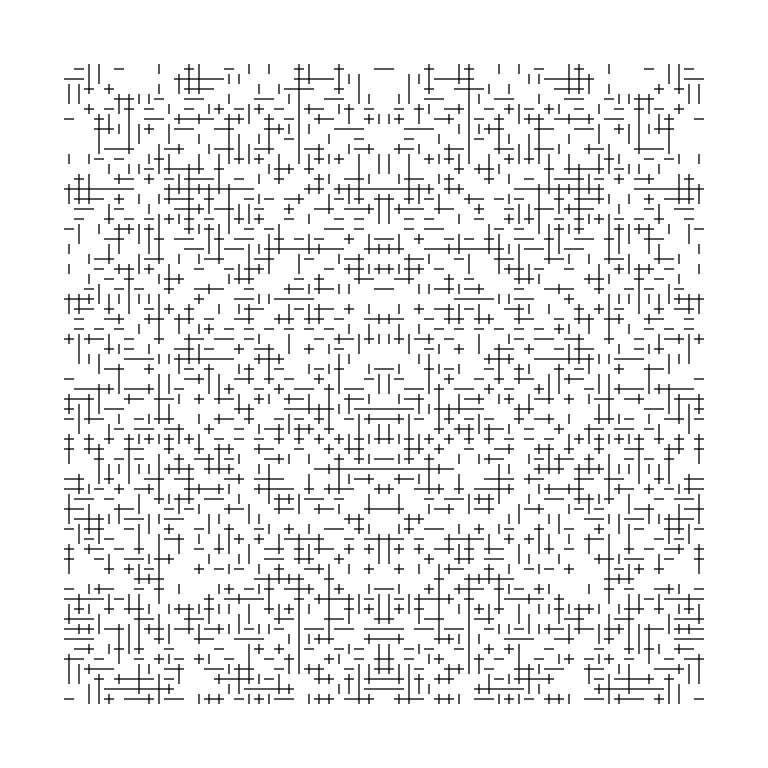
But I don’t think everything needs to be fully on-chain to survive. Good decentralised storage, open-source code and, importantly, a community that actually cares about preserving the work can get you a long way.
Ultimately, though, I still buy the art first. On-chain permanence is a huge positive, but it isn’t a substitute for wanting to own the work.
You keep saying you don’t need crazy money to collect XCOPY, and you point people at the memes. Someone reading this has $500 and good eyes. Give them the honest version of what to do, and the honest version of what they’re up against.
With $500 and good eyes, I’d start by looking, not buying.
Spend time on X, follow artists and collectors whose taste you respect, go down rabbit holes, learn the history and figure out what genuinely resonates with you. You absolutely don’t need crazy money. I use XCOPY as an example because he is one of the most important artists in the space, yet you can still collect his work through projects like The Memes by 6529 for relatively modest amounts. Equally, there are incredibly talented emerging artists where $500 can buy meaningful work directly from the artist. Good eyes and curiosity can still matter more than a big wallet.
But here’s the honest version of what you’re up against: extreme volatility and an incredible amount of noise.
For the foreseeable future, digital on-chain art and NFTs are inextricably linked to crypto markets. Prices can move violently in both directions, often for reasons that have absolutely nothing to do with the quality of the art.
And the main window into this world is X, which, for better and worse, has no filter. In between geopolitical news, extreme partisan views, macroeconomics and the occasional booty pic, you’ll encounter equally extreme emotions about markets, crypto and, of course, JPEGs. One day everything is going to zero; the next day we’re all going to make it (‘WAGMI’) as perfectly captured by Ben Strauss’ Pursuit of Volatility (the Memes by 6529)!
I’ve invested through enough market cycles to know that if you buy something and the price subsequently falls, that doesn’t automatically mean your original thesis was wrong.
So my advice is simple: buy something you love, from an artist you believe in, at a price where you don’t care if the market tells you tomorrow that you were wrong.
If it appreciates enormously, fantastic. If it doesn’t, you still own a piece of art you wanted to own and helped an artist continue making work.
That’s a pretty good place to start.
Your collection is death, doom, glitch, and grifters, assembled by, in your own words, an annoying Scouser with a day job, a wife, a kid, and a new puppy. One day someone inherits that wallet. What do you want the collection to say about what you saw in all this?
First and foremost, I want to build a collection that I’m proud of and genuinely enjoy looking at. I sometimes look at it already and think, how the heck did I manage to put this together?
I also believe there is a relatively short window where some of these works are still attainable. Some will become unaffordable; others may simply become unobtainable because their owners won’t sell them. So part of what has driven me is wanting to collect the works I love while I still can.
The only thing certain in life is death and taxes but one day I hope to pass the collection on to my daughter. Hopefully she inherits something valuable, but more importantly I hope she inherits a time capsule of a particular moment, when a new artistic medium and culture were emerging and it wasn’t yet obvious to everyone how important they might become.
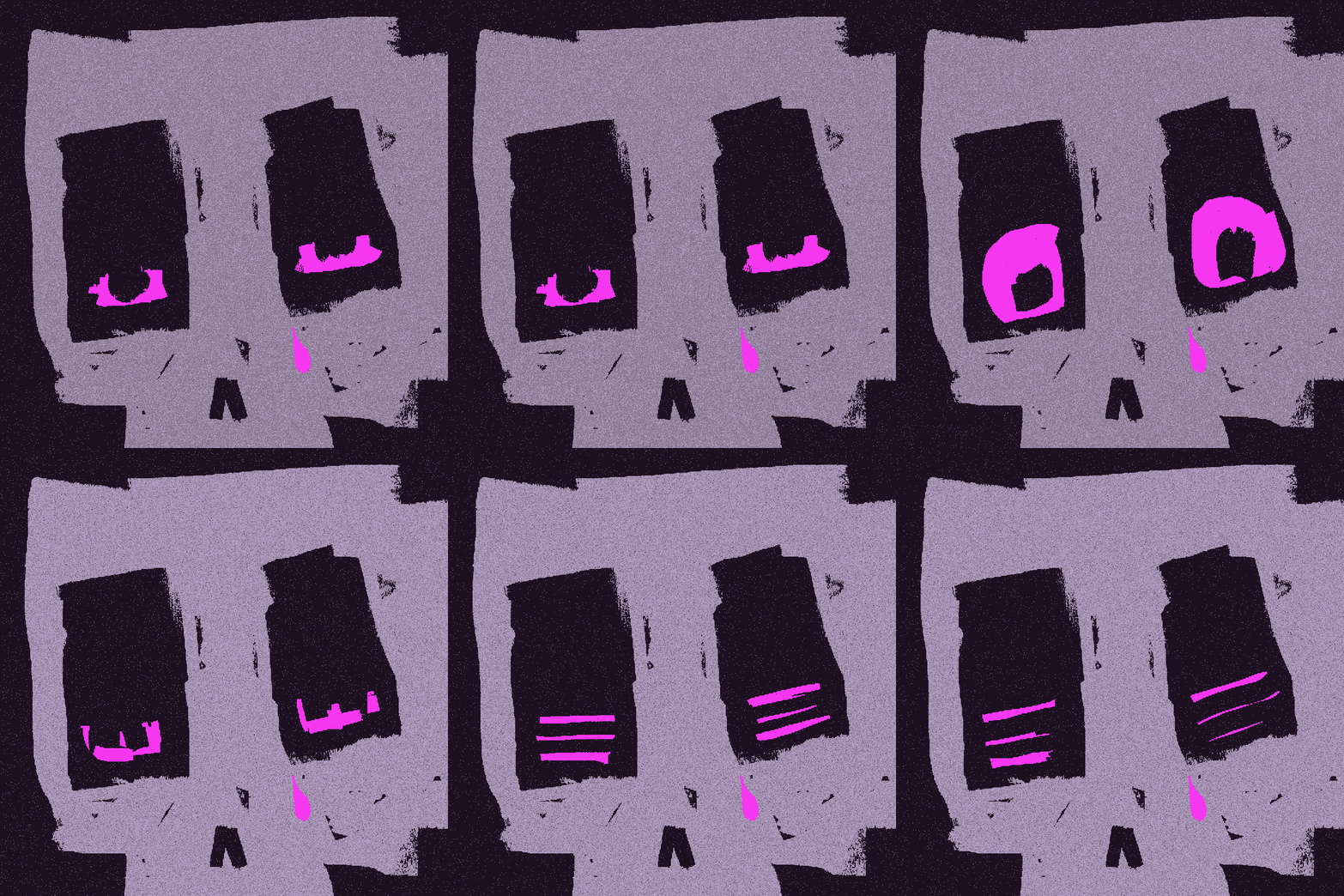
And then there’s obviously an ego element. I’d be lying if I said I wasn’t looking forward to someone eventually saying, “Damn, that annoying Scouser was actually onto something.” Along with, of course, the other collectors who saw it early.
As Micky Malka said recently, today we are the rebels. Maybe one day what feels rebellious now will look obvious in hindsight.
Ultimately, I’d like someone looking at the collection years from now to think it was curated with taste and conviction. That beneath all the death, doom, glitches and grifters, there was actually some method to the madness.
Somewhere between the freezers of a supermarket in the North West of England and a wallet holding an XCOPY 1/1 sits the whole case for this space: a collector who bought his first NFT in late 2022, started telling his mates about it in a London pub and now stewards punks, glyphs, grifters and the early catalogues of artists most people have not met yet. He says he has issues. Looking at what the issues built, we should all be so afflicted.